More Americans Choose Mental Health Resolutions, Mindfulness Gains Traction
A recent American Psychiatric Association Healthy Minds Poll found that 38 percent of U.S. adults planned at least one mental-health-related New Year’s resolution for 2026, a rise of about five percentage points from the prior year. Younger adults were especially likely to set these goals, and the poll singled out mindfulness among everyday strategies people are embracing alongside exercise, sleep, nature, and therapy.
The Healthy Minds Poll showed a noticeable uptick in mental-health intentions heading into 2026, with more than a third of adults saying they planned at least one resolution aimed at improving emotional well-being. Participation was strongest among 18-to-34-year-olds, suggesting the next wave of demand for services and programs will come from younger cohorts seeking accessible, practical tools.
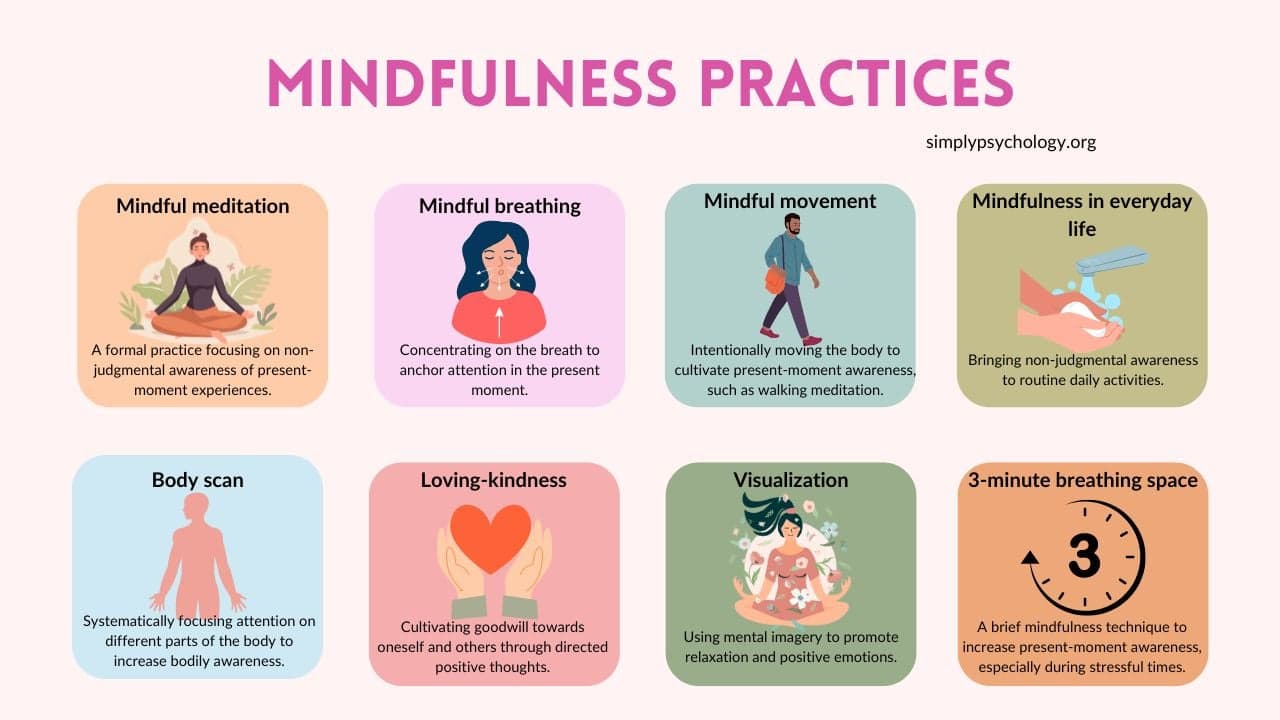
Respondents named a range of strategies they planned to adopt, including regular exercise, better sleep habits, spending time in nature, seeking therapy, and mindfulness practices. The poll framed mindfulness as one accessible, everyday approach that sits alongside other self-care behaviors, emphasizing that small, practical changes can support mental well-being. That positioning reinforces a broader shift toward integrating mental-health practices into daily routines rather than treating them as occasional or specialist activities.
For community mindfulness leaders, teachers, and practitioners, the trend carries immediate implications. Expect increased interest from newcomers looking for low-barrier entry points: brief guided sessions, morning or bedtime practices that support sleep, movement-based meditations paired with exercise, and nature-focused offerings. Programs that highlight short, repeatable practices and clear, measurable habits are likely to resonate, especially with younger adults balancing work, study, and family obligations.
Practical value for readers is straightforward. If you want to ride this momentum, start with small, sustainable steps: commit to a one- to five-minute breathing exercise each morning, schedule a weekly walk in a nearby park and use it as a mindful break, or choose a sleep-focused meditation before bed. Mindfulness can also complement professional care; pairing short daily practices with therapy or structured exercise often makes both approaches easier to maintain.
Local community centers, studios, and workplace wellness programs can respond by offering bite-sized sessions, hybrid options that mix in-person and online participation, and partnerships with mental-health professionals to create supportive entry points. As more people list mental health among their top resolutions, the most effective responses will be simple, scalable, and tied to everyday life.
The poll’s findings make clear that mental-health intentions are increasing and that mindfulness has emerged as a practical, widely recognized tactic. Translating good intentions into lasting habits will depend on keeping practices manageable, socially supported, and woven into ordinary routines.
This article was produced by Prism’s automated news system from verified source data, official records, and press releases, then run through automated quality and moderation checks before publishing. The system is built and supervised by the people who set the standards it runs under. Read our full AI policy.
Did this article answer your question?