New Mindfulness Scale Rooted in Buddhist Teachings Measures Discernment Accurately
A new scale built from Buddhist teachings aims to measure discernment in mindfulness practice with precision researchers say existing tools have missed.
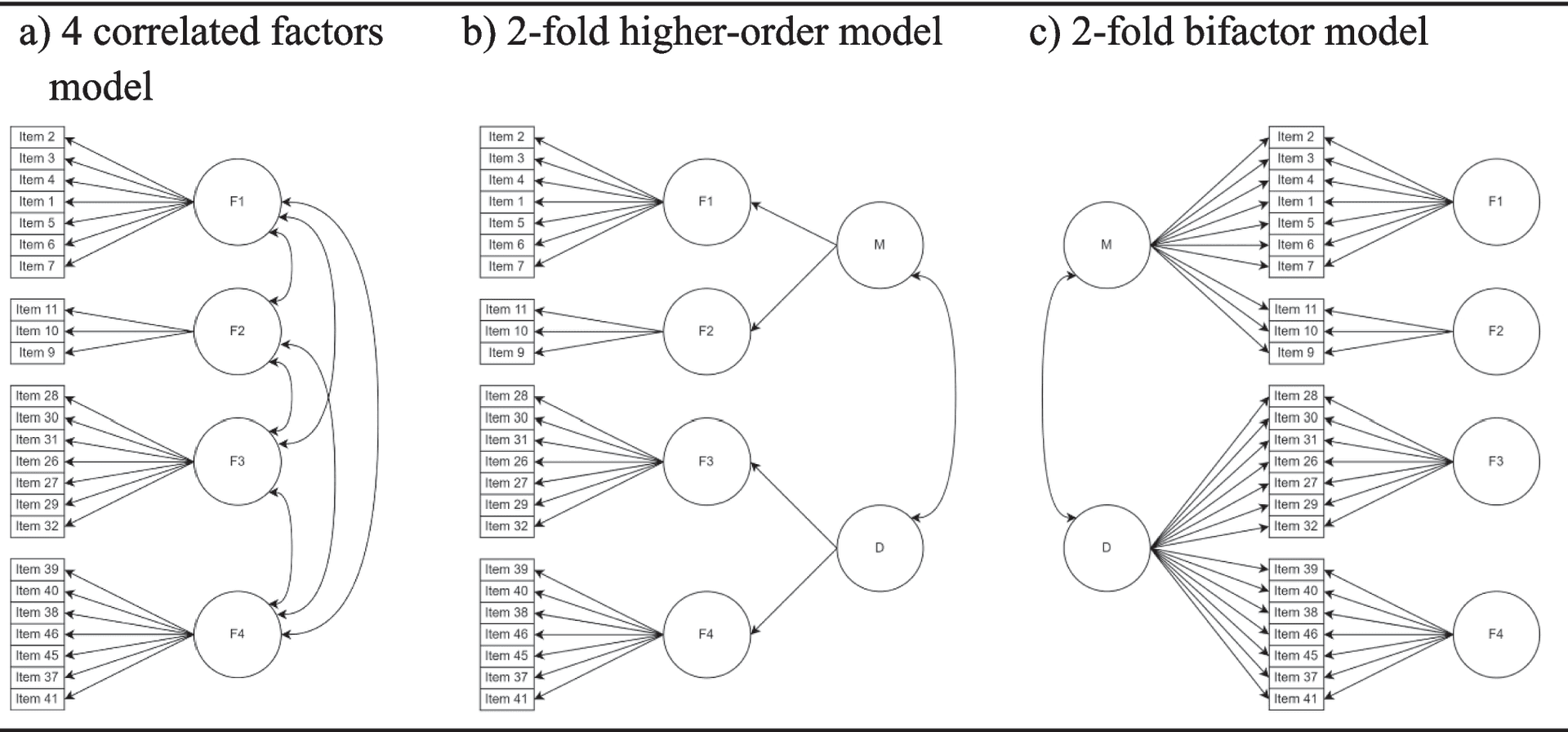
Measuring what happens inside a meditation session has always been one of the field's thorniest problems. Hin Tak Sik and Ben C. L. Yu took a direct approach: go back to the source. The two researchers led the development and validation of the Mindfulness-Discernment Scale, a new instrument constructed explicitly from Buddhist teachings and designed to quantify discernment as it actually appears in practice.
Their open-access article detailing the MDS was published on March 10, 2026, in the journal Mindfulness, putting the scale immediately into the hands of practitioners, researchers, and clinicians who have long wrestled with how to assess the subtler qualities of contemplative experience. Discernment, the capacity to clearly perceive the nature of one's experience without confusion or projection, sits at the heart of many Buddhist frameworks and is often treated as a prerequisite for deeper meditative development. Yet mainstream mindfulness measurement tools have largely sidestepped it.
The MDS changes that by grounding its construction in the tradition itself rather than working backward from Western psychological models. That distinction matters to anyone serious about the difference between secular stress-reduction protocols and practice rooted in the Dhamma. A scale derived from Buddhist teachings carries different validity claims than one adapted from cognitive-behavioral frameworks, and Sik and Yu's validation work is meant to establish that the MDS holds up empirically as well as conceptually.

Because the article is open-access, any researcher or practitioner can read the full methodology, examine the validation process, and begin exploring how the MDS might apply to their own work. That kind of transparency is particularly useful in a field where measurement debates can run for years without resolution. The MDS now gives those conversations a concrete new instrument to test against.
This article was produced by Prism’s automated news system from verified source data, official records, and press releases, then run through automated quality and moderation checks before publishing. The system is built and supervised by the people who set the standards it runs under. Read our full AI policy.
Did this article answer your question?