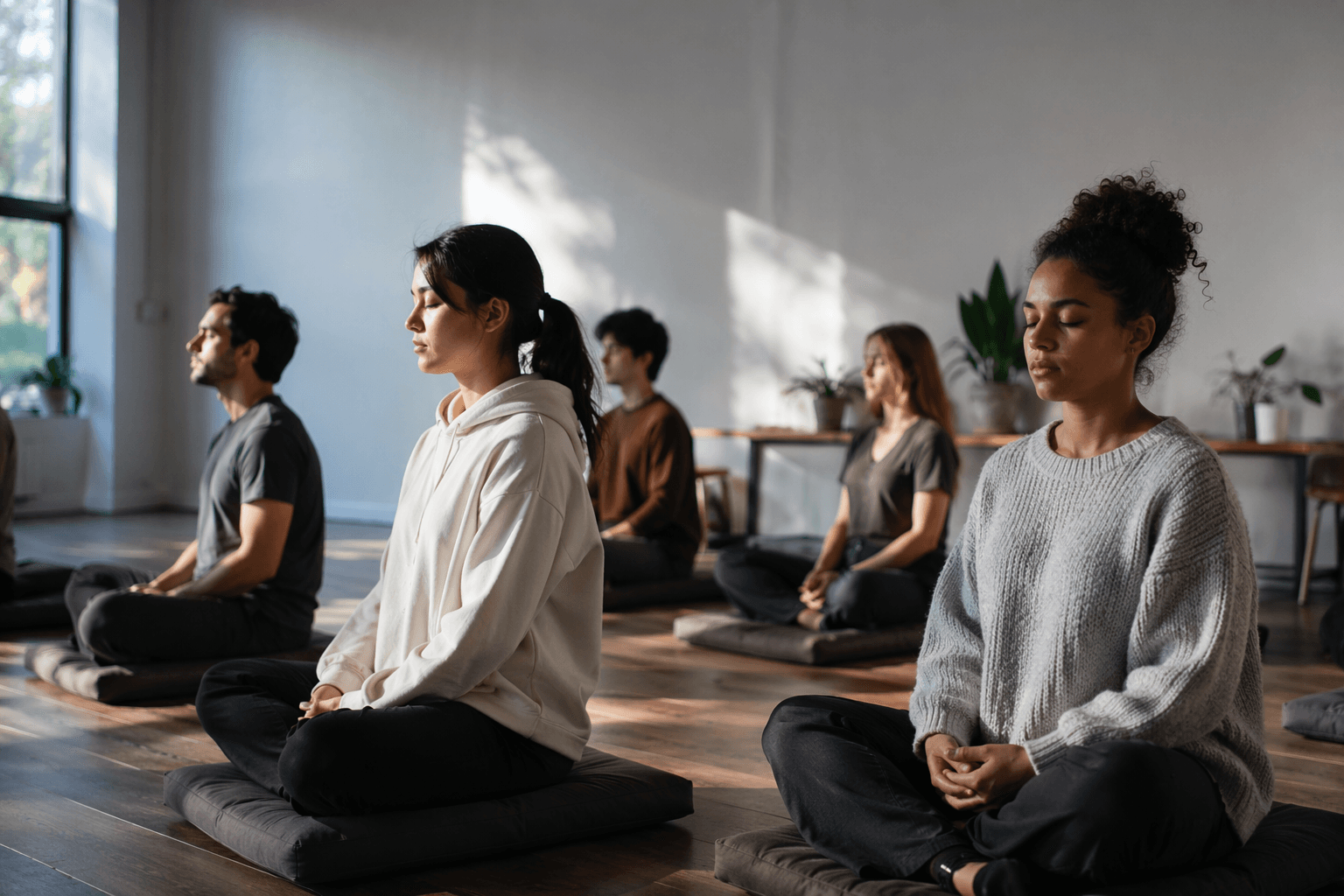
New seven-step beginner guide simplifies starting a meditation practice
A concise beginner's guide outlines a straightforward seven-step meditation routine with short guided body-scan and breath-awareness resources, making practice easy and safe to try at home or at work.
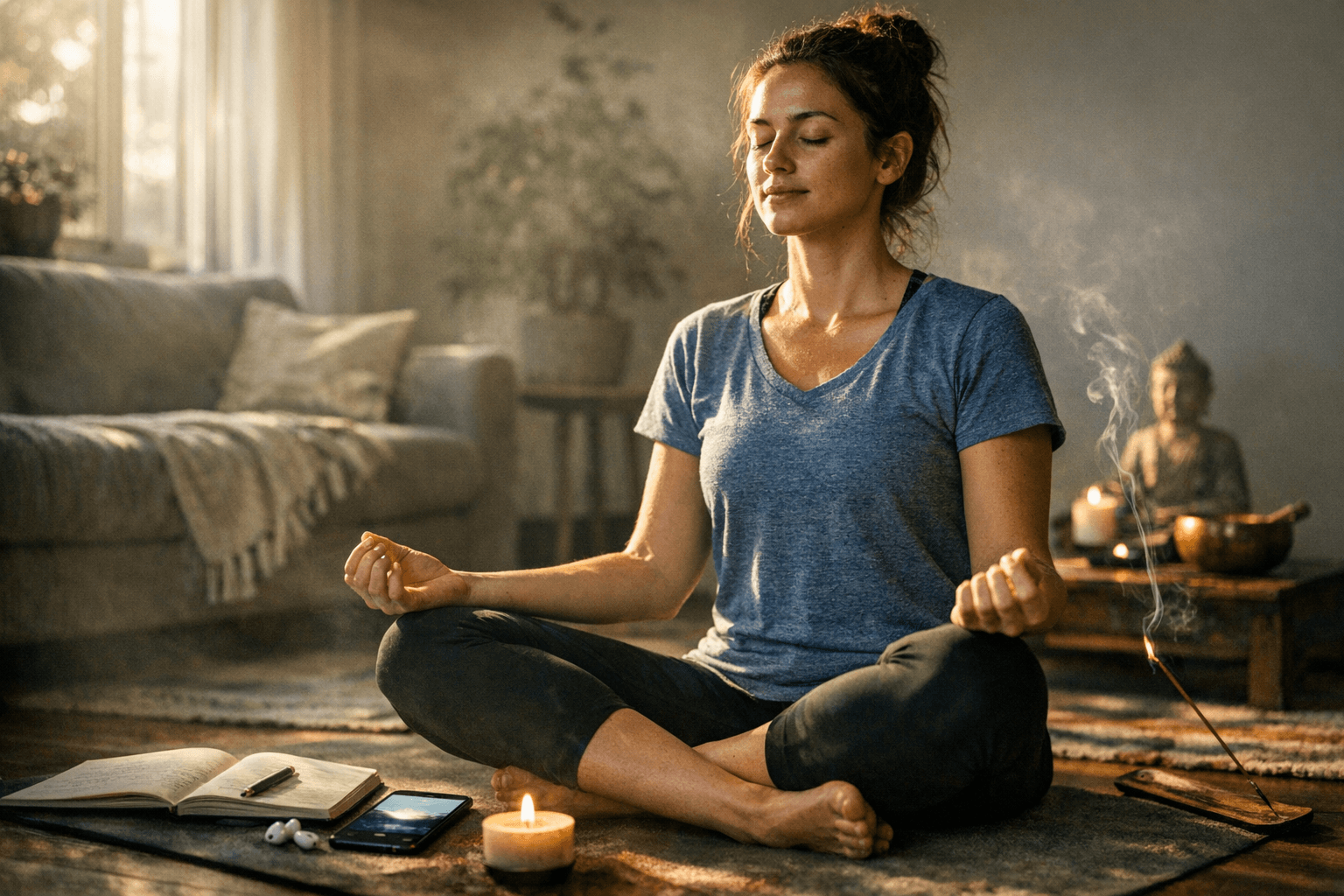
A new beginner's guide lays out a clear, practical pathway for anyone ready to start meditating. It packages a seven-step approach with short guided audio and video resources so you can begin at home or slip sessions into a work break without special equipment.
The guide opens by insisting on two basics: set aside a regular time and choose a comfortable place. That framing removes the "perfect setup" myth and makes practice doable on a kitchen chair, office seat, or a park bench. The next step is bringing mindfulness into the session by focusing attention on the breath and the senses, using simple anchors rather than complex techniques to stabilize attention.
Practices begin short and timed. The guide recommends starting with a brief, fixed-duration session so you build the habit without pressure. A body-scan and breath-awareness offering are available as short audio and video pieces that can be used as practice scripts or background guidance. These resources are intentionally concise so you can complete a micro-practice in five minutes, or extend as your concentration grows.
Attention management is central. The plan instructs you to acknowledge wandering thoughts and gently return attention to the chosen anchor rather than chasing or judging thoughts. That basic "notice and return" loop trains what many meditators call the mindfulness muscle, small, consistent repetitions strengthen it faster than occasional long sits.
Finishing the practice mindfully is part of the sequence: a short pause to note bodily sensations and intentions before standing up helps transition practice into the rest of the day. Practical tips included aim to build consistency: pick a daily cue, use a short timer or alarm, and keep sessions brief at first to avoid burnout. The guide emphasizes safety and approachability, no special cushions, incense, or prior experience required, while noting that if practice triggers strong distress, you should stop and reach out to a supportive person or professional.
For workplace and home use, the short guided meditations offered fit easily into a coffee break or a commute. The community-minded approach encourages habit-forming through micro-practices and realistic expectations rather than perfectionism.
The takeaway? Start small, make it regular, and treat attention like a muscle you exercise daily. Try a two- to five-minute guided breath session after lunch for a week and notice how your baseline shifts. Our two cents? Consistency beats intensity, sit, breathe, return, and let the practice quietly accumulate.
This article was produced by Prism’s automated news system from verified source data, official records, and press releases, then run through automated quality and moderation checks before publishing. The system is built and supervised by the people who set the standards it runs under. Read our full AI policy.
Did this article answer your question?