New study links mindfulness to fairer management under heavy workloads
A 15-minute mindfulness practice lifted managers’ moral potency, but heavy workloads blunted the fairness payoff.
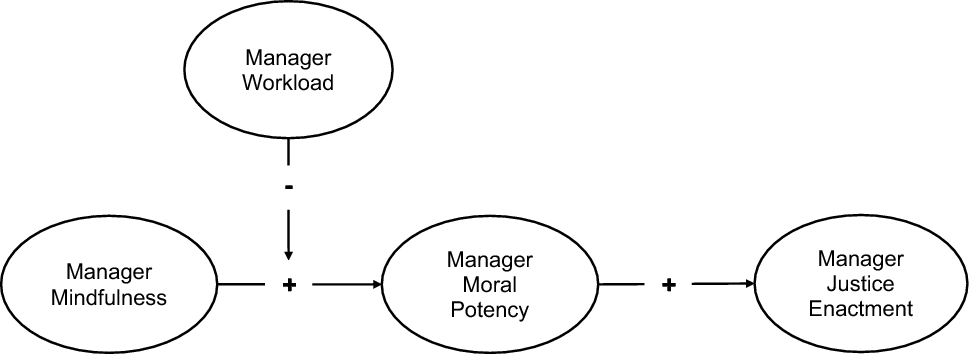
Mindfulness helped managers stay fair, but only up to a point. The new paper shows that when workload pressure climbs, the link between meditation practice and justice enactment weakens, a reminder that calmer attention is not a substitute for realistic staffing and deadlines.
Published online on April 30, 2026, in the Journal of Business Ethics, the study by Togan Kilic, Marc Ohana, Maja Graso and Sebastian C. Schuh asked a sharper question than most workplace mindfulness research: not just whether mindfulness matters, but how it travels into behavior and when that effect falls apart. Using Social Cognitive Theory, the authors framed mindfulness as a metacognitive skill that can raise moral potency, the sense that a manager can do the right thing and act on it.
The first test was an experiment with 201 graduate business students from cooperative education programs. Participants received either a brief 15-minute mindfulness intervention or an active control condition. The mindfulness group showed a significant increase in moral potency, giving the authors causal evidence for the mechanism they proposed. That matters because the paper is not claiming that sitting quietly automatically makes people kinder. It argues that mindfulness sharpens the mental gear that helps a manager notice a fairness issue and respond with more confidence.
The second study moved the question into real workplaces. The authors followed 419 managers in the United States and the United Kingdom across three survey waves. That design supported the broader moderated mediation model, but it also exposed the limit: the mindfulness-to-justice pathway was weakened under high workload conditions. In plain terms, the practice still helped, but the benefit shrank when managers were overloaded.
That nuance fits a growing line of business ethics research. A 2019 Journal of Business Ethics study had already reported a positive link between leader mindfulness and procedural justice enactment across three studies, including a laboratory experiment with 62 senior executives. The new paper extends that work by showing that context still rules the outcome. Mindfulness may support fairer leadership, but it does not float above staffing shortages, deadline pileups, or burnout-driven overload.
For anyone wondering whether a meditation app can improve workplace culture on its own, this study gives a useful answer: it can help at the margins, especially by strengthening moral potency, but it will not carry the whole load. If organizations want fairer management, they will need more than a breathing exercise on a phone screen.
This article was produced by Prism’s automated news system from verified source data, official records, and press releases, then run through automated quality and moderation checks before publishing. The system is built and supervised by the people who set the standards it runs under. Read our full AI policy.
Did this article answer your question?