Online meditation boosts well-being in older adults, Penn study finds
Penn's online meditation program lifted well-being in 213 older adults, with gains in self-compassion and daily mood that lasted a month.
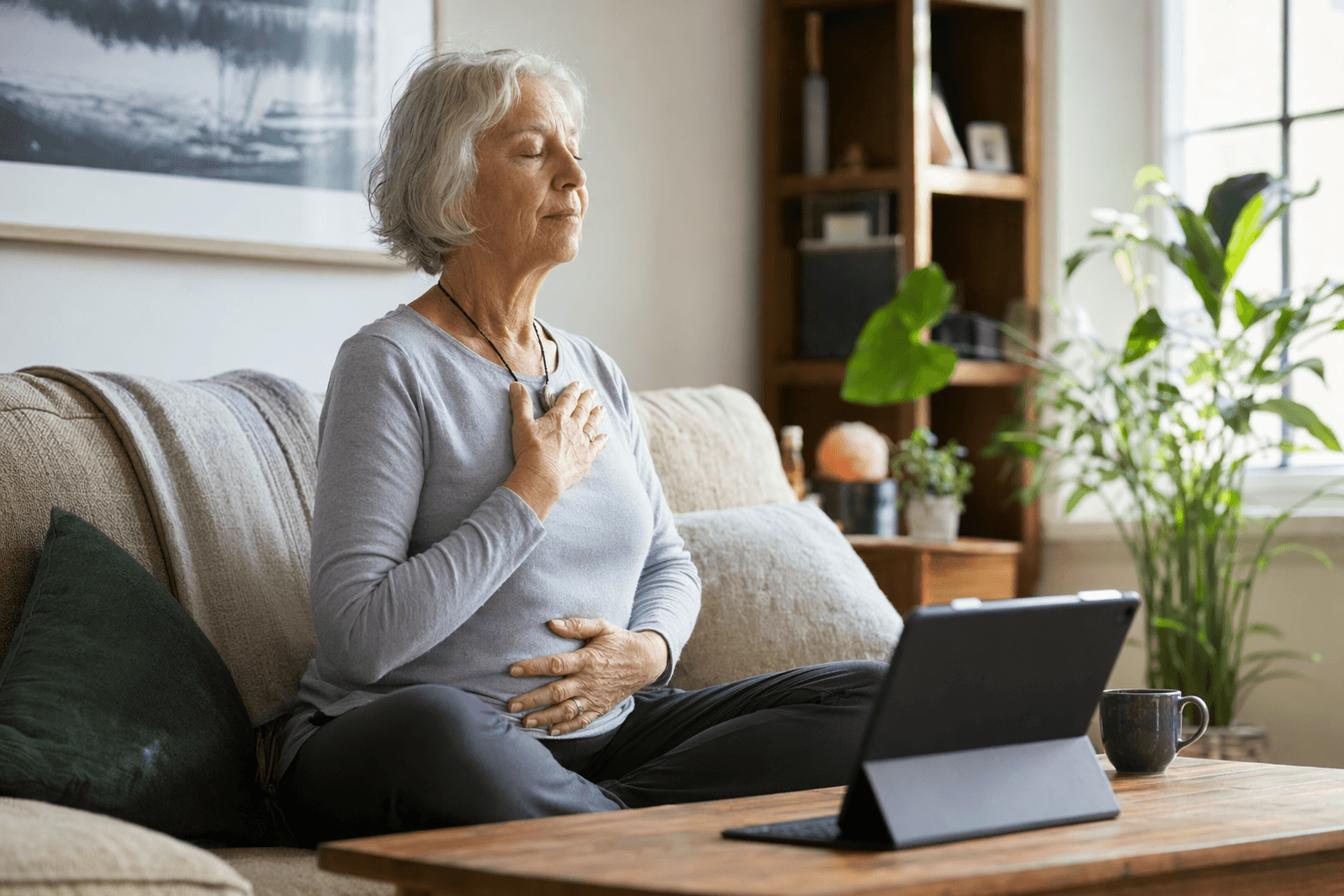
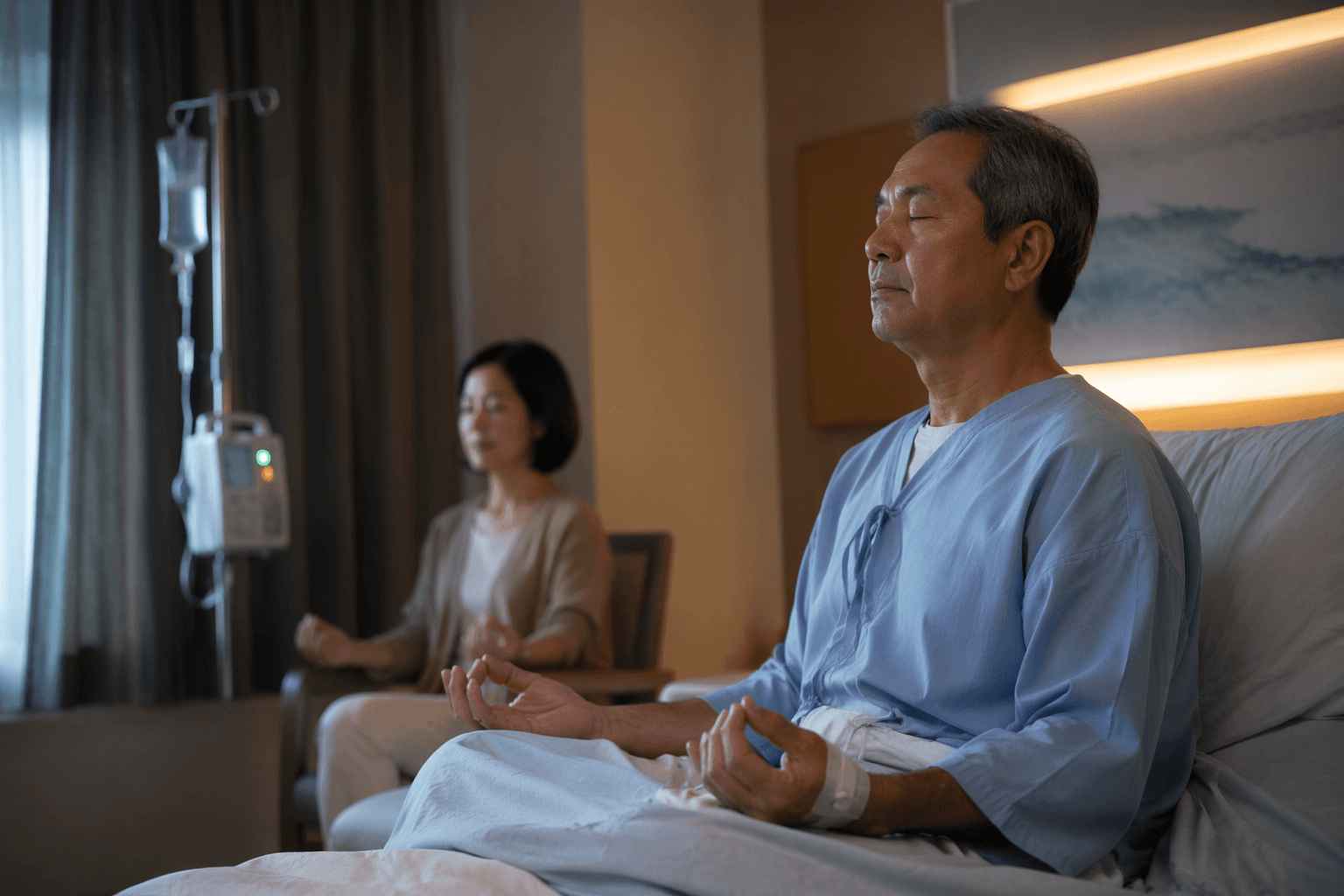
A 213-person online meditation program at Penn gave older adults something many wellness retreats cannot: a simple at-home way to lift well-being without travel, special gear, or a steep learning curve. The interactive format combined mindfulness meditation with loving-kindness and compassion practice, and it produced measurable gains in subjective well-being, mindfulness, and self-compassion.
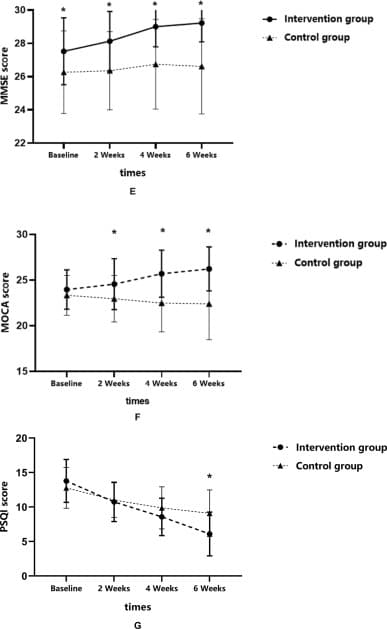
The study, published Jan. 27, 2026, in the Journal of Happiness Studies, tested the program in a randomized controlled trial and tracked results at pre-test, post-test, and a one-month follow-up. Participants also completed daily assessments during the intervention, which matters here because the design did not rely only on a before-and-after snapshot. The meditation group reported higher subjective well-being across the intervention period than the control group, along with modest increases in daily meaning ratings.
The strongest result was practical as much as psychological. Older adults in the meditation group improved in mindfulness, self-compassion, and subjective well-being from pre-test to post-test, and the gains in subjective well-being and self-compassion were still present at follow-up. That kind of durability is what makes an online course more than a convenience play. It suggests the format can do real work for healthy aging when it is easy to access and built to fit ordinary schedules.
That accessibility angle lines up with Penn’s own infrastructure. Michael Baime, founder and director of the Penn Program for Mindfulness, has trained more than 10,000 people in mindfulness-based stress management since 1992. Penn also has a long track record in online learning, having launched its first Massive Open Online Courses in 2012. Put those pieces together and the new intervention looks less like a one-off experiment and more like a model for how meditation can reach older adults who are not going to sign up for a retreat or navigate complicated tech.

The research also lands in a larger scientific arc. A previous 18-month randomized meditation trial in healthy adults ages 65 to 84, led by Gaël Chételat and co-led by University College London, was described as the longest randomized meditation training trial to date. That study involved more than 130 French-speaking older adults in Caen, France, and found meditation could improve dimensions of well-being such as awareness, connection, and insight.
For families, caregivers, and community centers, the lesson is straightforward: the best program may not be the most elaborate one. A structured online meditation course, with daily check-ins and a mix of mindfulness, loving-kindness, and compassion, can be enough to produce meaningful gains, and it may be the most realistic way to bring meditation to older adults at scale.
This article was produced by Prism’s automated news system from verified source data, official records, and press releases, then run through automated quality and moderation checks before publishing. The system is built and supervised by the people who set the standards it runs under. Read our full AI policy.
Did this article answer your question?