Penn State offers subsidized three-night tech-free mindfulness retreat for University Park students
Penn State offers a subsidized three-night, tech-free mindfulness retreat March 7-10 for University Park students; $35 covers housing, meals, transportation and programming.

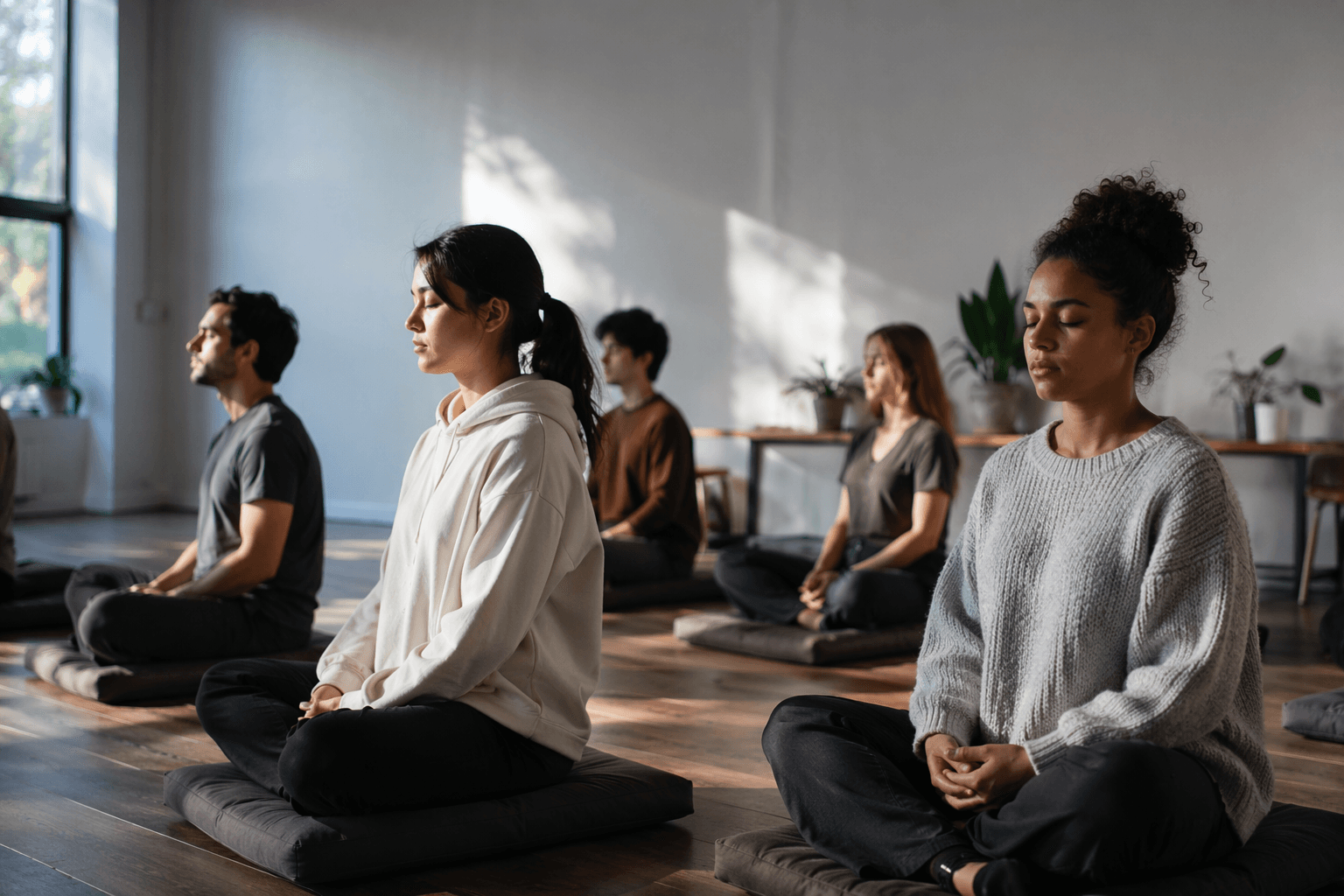
Penn State’s Journey Success Center is sending a group of University Park students to a subsidized, three-night, tech-free, secular mindfulness retreat March 7-10 at the Himalayan Institute in Honesdale in the Pocono Mountains. The cost is $35 per person, and that fee covers housing, meals, transportation and the full retreat experience.
The retreat is offered in partnership with Inward Bound Mindfulness and the student organization Mindfulness and Science of Happiness (MASH). Funding from a private donor and the University Park Allocation Committee makes the low $35 fee possible, opening the program to students in any major based at University Park. Registration is limited to University Park–based students.
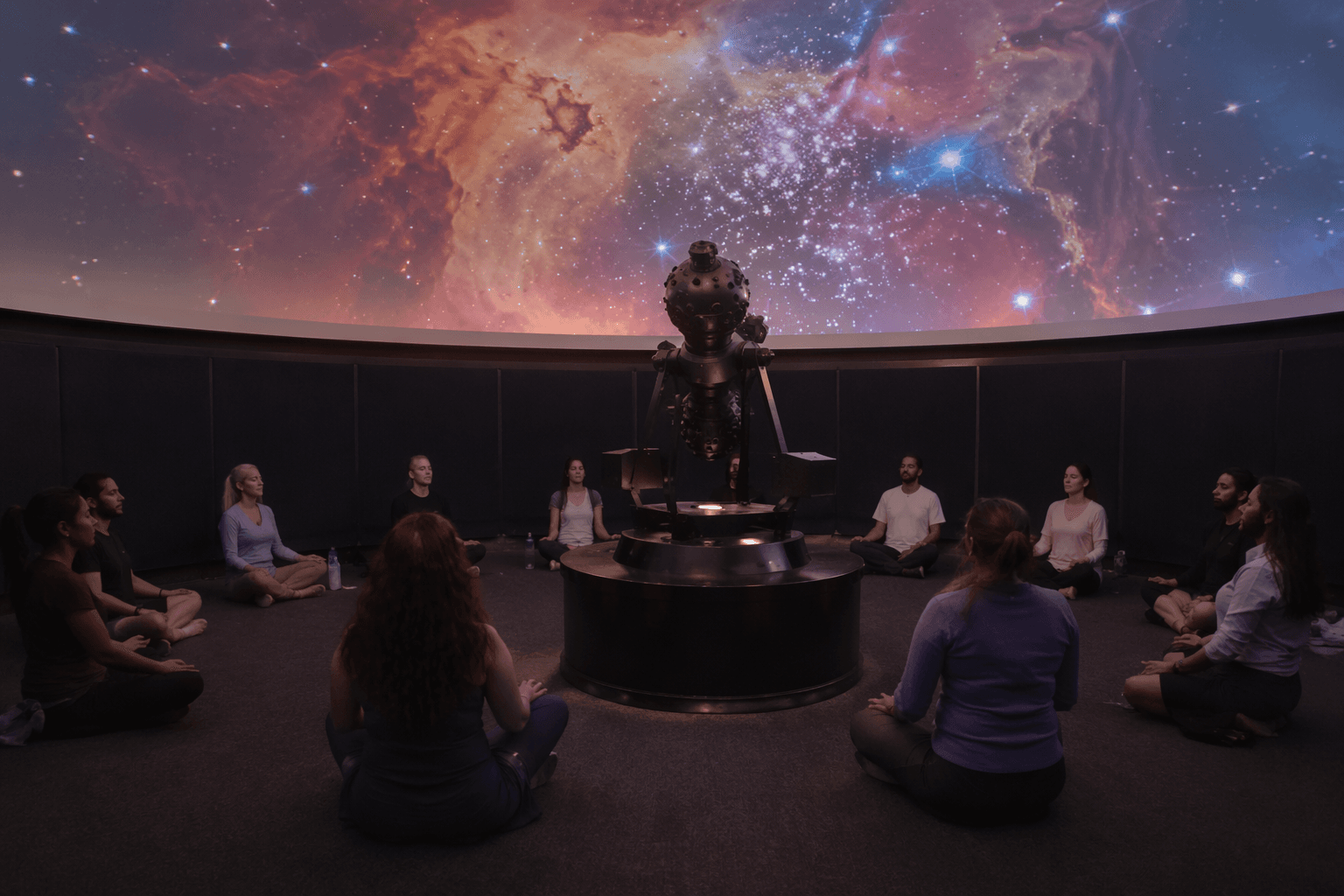
Programming blends formal practice with social time. Participants will encounter guided meditation, seated and walking, morning and afternoon mindful movement, small-group discussions, creative and activity periods such as arts, games and sports, and space to relax. Evenings include practices such as loving-kindness and community talks, and one night features a community campfire. The retreat will begin with a welcome meeting after arrival and conclude with a closing ceremony before returning to campus. The Himalayan Institute description emphasizes that Inward Bound retreats are in-person and tech-free and that the schedule intentionally balances quiet practice with community connection.
Kevin Hulburt, director of the Journey Success Center and a supporting teacher on the retreat, framed the offering as timely. “Personal and relational mindfulness have never been more relevant,” Hulburt said. “I have been working on these kinds of retreats for over 18 years, and it is not only a fun experience but often a profound one. Taking time to pause and connect with ourselves and each other is something we all need in these times of disconnection and overstimulation.” Hulburt also noted the practical value for campus careers: “Mindfulness isn’t just ‘stress management,’” Hulburt said. “It’s a practical skill for helper professions, teaching, counseling, educational leadership, because it strengthens attention, self-awareness, and how we show up with others.”
For students who want regular practice on campus, Penn State College of Medicine materials describe community practice sessions and two-hour silent retreats led by experienced teachers as places to strengthen mindfulness skills. Those materials also point to decades of research on mindfulness benefits, noting more than 40 years of evidence showing effectiveness for stress, burnout, anxiety, depression and chronic pain while also enhancing quality of life for healthy people.
This retreat is a compact opportunity to press pause, build practical attention skills, and reconnect with peers off campus. Students interested in attending should reach out to the Journey Success Center or the MASH student organization for registration and logistical details, since transportation is included but exact departure times and registration procedures are handled by the organizers. A Penn State photo associated with the announcement shows students surrounding a table while playing Scrabble (Credit: Penn State, Creative Commons).
This article was produced by Prism’s automated news system from verified source data, official records, and press releases, then run through automated quality and moderation checks before publishing. The system is built and supervised by the people who set the standards it runs under. Read our full AI policy.
Did this article answer your question?