Princeton museum turns art viewing into mindfulness and campus wellness
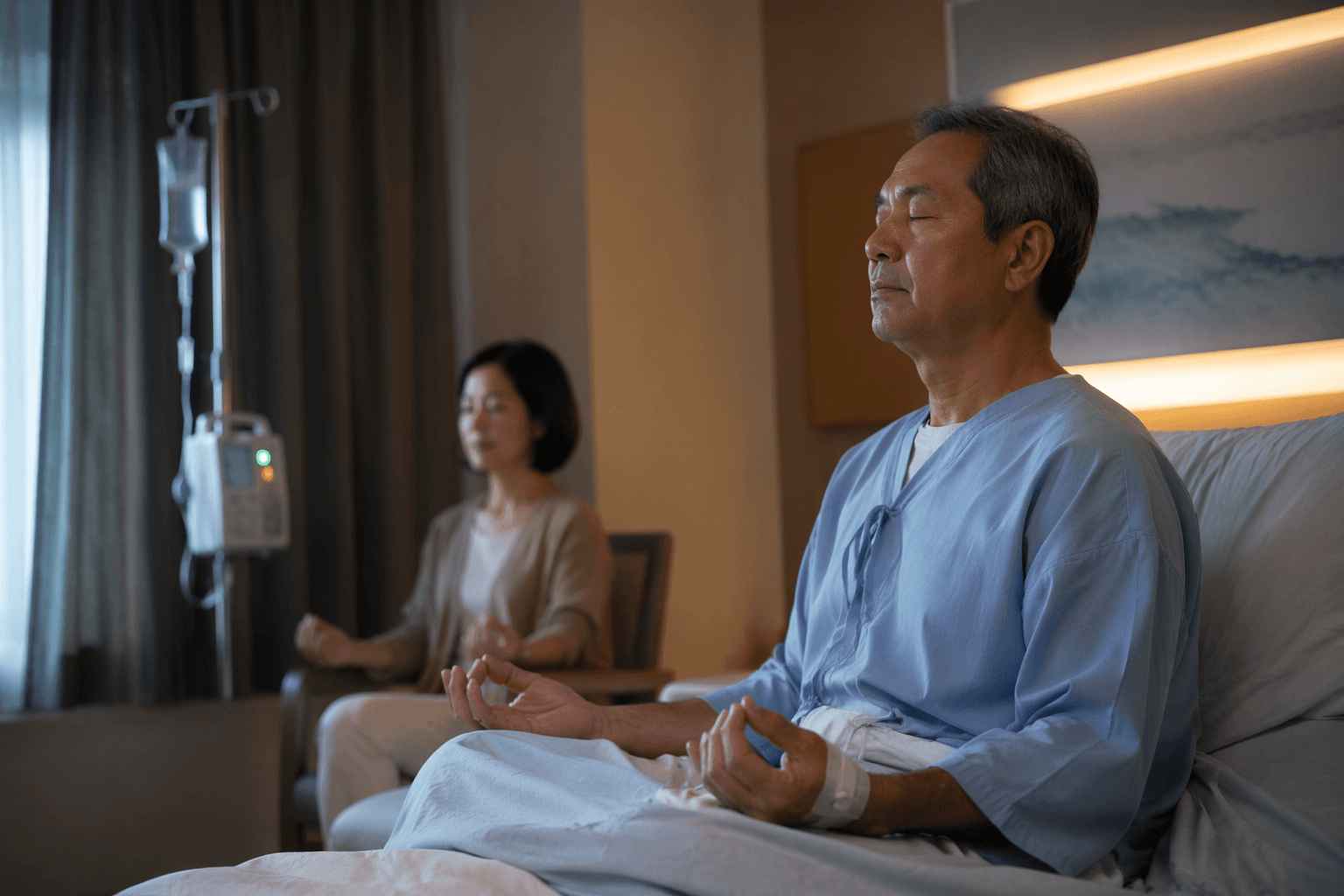
Princeton is using a 146,000-square-foot museum to train attention through art, tai chi, and meditation, turning campus wellness into something students can walk into.
A museum built for more than display
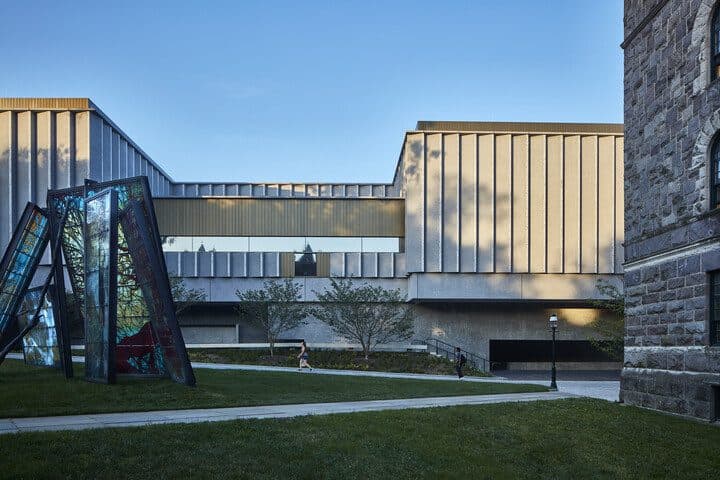
Princeton’s newest art museum is doing something smarter than adding another pretty building to campus. It is treating the museum itself as wellness infrastructure, a place where students can slow down, reset, and practice attention without ever stepping into a traditional counseling setting. The shift is concrete, not theoretical: the Princeton University Art Museum says its role is to be a hub and gathering space where intellectual stimulation moves together with emotional, psychological, and social well-being.
That is a useful model for any campus trying to respond to stress with more than a waiting list. The museum’s new building, announced in 2018 and opened to the public on October 31, 2025, is 146,000 square feet and effectively doubles Princeton’s space for art display and for teaching and educational programming. James Steward has overseen the project, and the opening itself was built like a campus event, not a ribbon-cutting for art insiders.
The numbers tell you how central Princeton wants this place to be. A special student preview drew 3,500 undergraduate and graduate students. About 2,100 faculty, staff, and tradespeople attended two additional previews before the public opening. On the first day of regular operations, the museum drew 3,256 visitors. That is not a niche turnout. That is a crowd, and it is the first clue that Princeton is trying to make the museum part of daily life on the Princeton, New Jersey campus.
How art viewing becomes a mindfulness practice
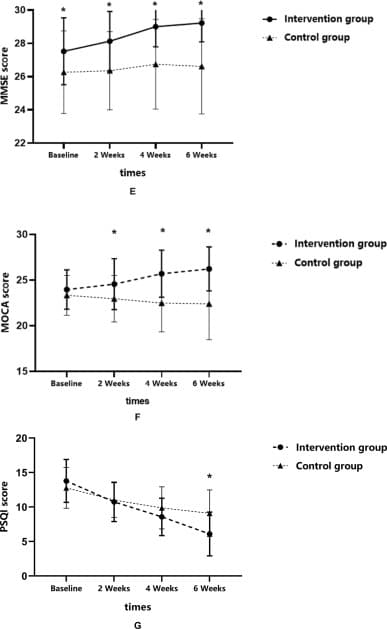
The strongest part of Princeton’s approach is that it does not treat mindfulness as a separate wellness brand with its own room and its own jargon. It folds it into something students already understand: looking closely at art. One student described spending a long, attentive stretch with a Thomas Gainsborough painting as a kind of reset during a hectic week, which captures the real mechanism here. The benefit is not mystical. It is the discipline of sustained attention.
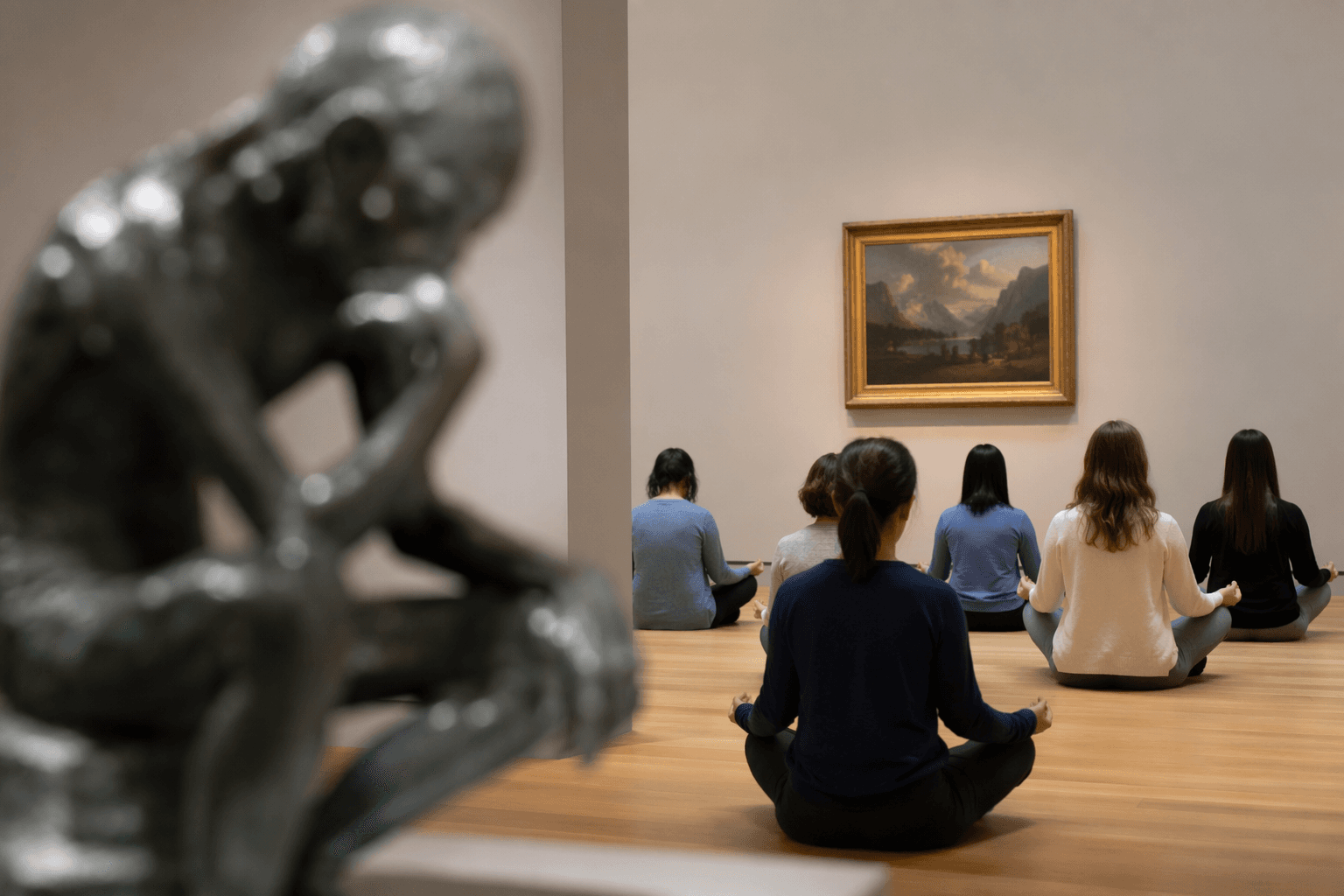
That fits cleanly with Visio Divina, the contemplative practice of examining art with the same kind of focused presence people usually associate with meditation or prayer. Princeton University Religious Life has already brought that practice into the museum, including a chaplain-led guided session in the Creativity Lab, followed by discussion afterward. In other words, the museum is not just hosting a spiritual-adjacent experience. It is actively helping students use art as an anchor for reflection.
This matters because the setting changes the experience. A counseling center addresses distress directly, which is essential. A museum can do something different: it can give students a low-pressure way to downshift before they are in crisis. That is the real value of Princeton’s experiment. It makes attention trainable in a public space, with art as the entry point and no clinical threshold to cross.
The campus wellness ecosystem around the museum
Princeton’s May 1, 2026 communications piece makes clear that the museum is part of a wider well-being network, not a standalone perk. The programming includes tai chi, guided meditations, hands-on workshops in the new Creativity Labs, and curatorial tours that highlight health and caregiving in the collection. Princeton Tai Chi Club, Princeton University Graduate School, Princeton University Center for Health and Wellbeing, and Princeton University Religious Life all sit naturally around this model because the museum is not trying to own wellness. It is trying to host it.
That breadth is what makes the idea replicable. Tai chi brings movement and breath into the same environment as visual contemplation. Guided meditation gives students a quieter way in. The Creativity Labs add doing, which matters because some people settle more easily through making than through sitting still. Curatorial tours focused on health and caregiving add context, linking personal well-being to the stories embedded in objects.
The museum’s collection scale also helps explain why this works. Princeton says its collections total more than 117,000 objects, which gives curators enough range to build programming around illness, care, healing, and related themes without forcing the same small set of works into every discussion. In practice, that means the museum can keep refreshing the experience while still staying anchored in real holdings.
Why Princeton’s wellness programming feels deliberate, not decorative
The museum’s wellness turn did not appear out of nowhere. Princeton held Thrive: A Day for Art and Wellbeing on April 10, 2026 at the museum, then scheduled a June 2026 tour titled Visualizing Illness and Healing Across the Museum’s Collections, led by Veronica White, the museum’s curator of teaching and learning. That sequencing matters. It shows the institution is building a programmatic track around art and health, not staging one-off events for publicity.
The museum’s earlier exhibition, States of Health: Visualizing Illness and Healing, gives the strategy even more depth. That show brought together more than eighty works from antiquity to the present and dealt with illness, suffering, care, and healing across cultures and eras, including references to the bubonic plague and the AIDS crisis. In other words, Princeton has already been using art to think through the emotional and social dimensions of health. The mindfulness programming is a continuation of that institutional habit, not a marketing invention.
Veronica White’s role is especially telling because it places teaching and learning at the center of the well-being effort. This is not therapy by aesthetics. It is an educational model that treats close looking as a skill with mental and social payoffs. That is a more durable argument than simply saying art makes people feel good.
What other schools can actually borrow
The Princeton example is compelling because it is practical. The museum is a public-facing place with a built-in audience, a strong educational mission, and enough scale to support repeated programming. Other schools looking beyond counseling centers can borrow the structure even if they cannot copy the architecture.
- a recognizable place students already visit
- a gentle mindfulness entry point, like close looking or guided meditation
- an embodied practice, like tai chi
- a learning format, like tours or workshops
- a clear tie to themes students already live with, including caregiving, illness, and recovery
What matters most is the mix:
That combination is what turns a museum into a campus well-being asset. Princeton’s 146,000-square-foot building is impressive, but the real innovation is conceptual. It treats attention as something worth teaching in ordinary public space, not only in moments of distress.
For institutions trying to reduce burnout, that is the part worth watching. A counseling center will always be necessary. Princeton’s museum suggests it does not have to be the only place where students learn how to steady themselves.
This article was produced by Prism’s automated news system from verified source data, official records, and press releases, then run through automated quality and moderation checks before publishing. The system is built and supervised by the people who set the standards it runs under. Read our full AI policy.
Did this article answer your question?