Randomized Trial Finds Mindfulness Lowers Depression Symptoms, Supports Heart Health
A randomized clinical trial originally aimed at blood-pressure reduction also produced significant drops in depressive symptoms, with the largest effects in people who experienced childhood abuse or neglect.
Researchers reported that a randomized clinical trial, originally designed as a blood-pressure intervention, produced significant reductions in depressive symptoms after a mindfulness training program, with particularly large effects for people who had experienced early-life adversity such as childhood abuse and neglect. The trial description in the available excerpts did not include a study name, sample size, or journal citation.
“If we look at everyday folks out in the world, those that had exposure to early life adversity, like abuse and neglect, tend to have worse mental health and also worse cardiovascular health,” Loucks said. “Mindfulness interventions help by regulating our emotions better when different challenges come up. For someone who has experienced childhood neglect or abuse, mindfulness training can help us make sense of that and respond skillfully to this moment in time.”
The new trial’s depression finding sits alongside decades of controlled work on mindfulness. Mindfulness-Based Stress Reduction, created at UMass Medical School over forty years ago, has spawned “hundreds of randomized controlled trials” evaluating stress reduction, and Brown researchers in 2019 demonstrated that mindfulness can lower blood pressure, a major risk factor for heart disease, which the reporting notes as the leading cause of death worldwide.
The American Heart Association has linked psychological health to cardiovascular outcomes. In its January 2021 scientific statement “Psychological Health, Well-Being, and the Mind-Heart-Body Connection,” the Association stated: “Mindfulness-based interventions such as meditation or cognitive behavioral therapy can help decrease anxiety, perceived stress and depression, and they have a positive impact on cardiovascular disease and risk.” Preliminary research presented at the AHA’s Resuscitation Science Symposium (ReSS) 2021 likewise reported: “Cardiac arrest survivors who are more mindful, or aware of the present in a nonjudgmental way, reported fewer symptoms of depression, anxiety and post-traumatic stress disorder than survivors who are less mindful,” with those observations measured at least a year after cardiac arrest.

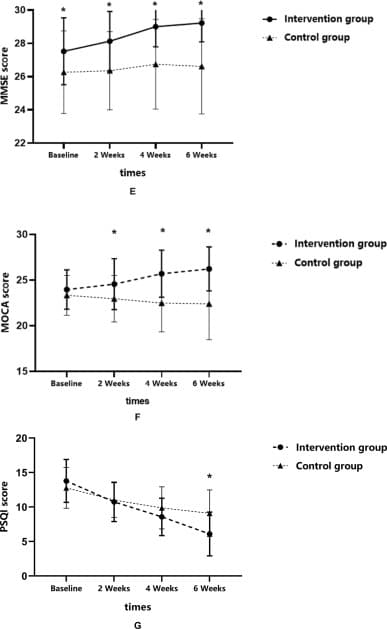
Clinical literature provides specific randomized examples: Wu et al. (2023) reported in Frontiers in Cardiovascular Medicine that Mindfulness-Based Stress Reduction combined with early cardiac rehabilitation improved negative mood states and cardiac function in patients with acute myocardial infarction assisted with an intra-aortic balloon pump, and Liu et al. (2021) described using mindfulness to reduce anxiety and depression for patients screened in isolation wards during the COVID-19 outbreak. A meta-analysis excerpted in the available material concluded that longer-term interventions “lasting more than 8 weeks” were more adequate to reduce depressive symptoms substantially and that “the mental health benefits tend to amplify over time.”
Digital and scalable delivery models have also shown promise. The EU Horizon 2020 NEVERMIND system pairs a sensorized shirt that collects physiological data with a mobile app that gathers mental health questionnaires to predict depressive symptom levels and deliver tailored care; in a randomized controlled trial of 425 patients with severe somatic illnesses such as breast cancer, prostate cancer, myocardial infarction, kidney failure, or leg amputation, NEVERMIND was found superior to standard care in reducing depressive symptoms. The JMIR description highlights e-MBIs’ advantages: “easy accessibility, anonymity, 24/7 availability, reduced reliance on trained therapists, cost-effectiveness, and time-saving benefits.”
Key gaps remain: the new randomized trial’s sample size, authors, exact intervention length, control condition, statistical effect sizes, and whether blood-pressure outcomes changed were not provided in the excerpts. Clarifying those trial details and confirming whether the intervention also altered blood pressure will determine how this program might be scaled to support both mental health and cardiovascular risk reduction.
This article was produced by Prism’s automated news system from verified source data, official records, and press releases, then run through automated quality and moderation checks before publishing. The system is built and supervised by the people who set the standards it runs under. Read our full AI policy.
Did this article answer your question?