Replication attempt finds pain catastrophizing did not moderate mindfulness vs distraction effects
A preregistered lab study with 110 non-meditating students found pain catastrophizing did not change who benefited from a brief open-awareness mindfulness induction versus distraction, a result echoed in clinical preprint data.
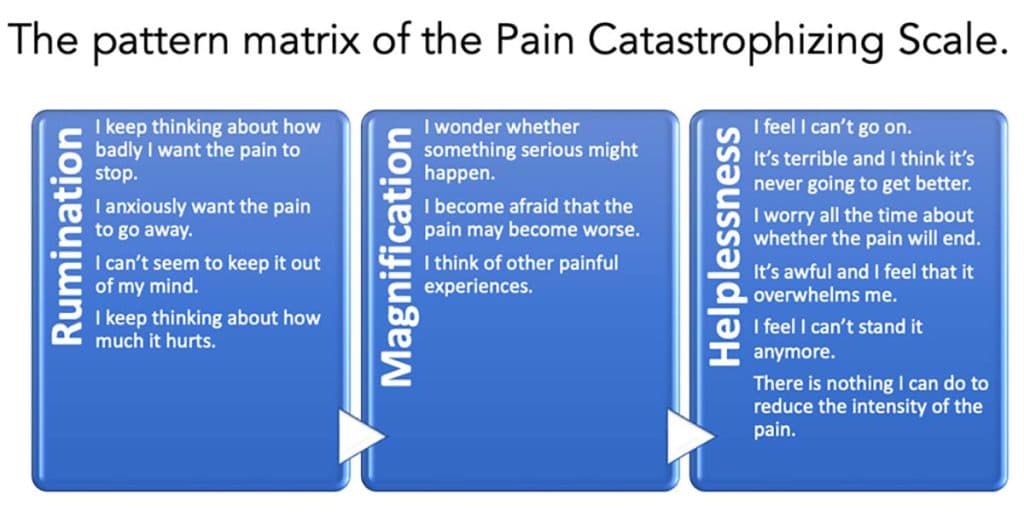
A preregistered experiment involving 110 non-meditating students randomized to a brief open-awareness mindfulness induction or a distraction condition did not find that baseline pain catastrophizing influenced the short-term analgesic effect of the mindfulness practice. That null finding challenges the idea that trait-level catastrophizing reliably steers immediate pain relief from short mindfulness exercises.
The replication targeted a specific moderation hypothesis: earlier work had suggested people who score high on pain catastrophizing might benefit more, or less, from brief mindfulness versus distraction when faced with experimentally induced pain. The new experiment used a lab pain model and randomized assignment to a brief mindfulness induction labeled open awareness versus a distraction task. Sample size and preregistration were intended to give the study adequate power and transparency. The headline result is straightforward - in this short, controlled context, catastrophizing did not moderate condition effects.
This lab result mirrors signals from clinical samples. A medRxiv preprint testing multiweek mindfulness interventions in headache patients reported that increased meditation practice produced larger gains in mindfulness but did not translate into moderated changes in catastrophizing or headache frequency or intensity. As the preprint notes, “who meditated more saw greater gains in mindfulness.” It also reports that “Meditation practice did not moderate change in pain catastrophizing-helplessness from baseline to mid-treatment or 1-year follow up, and had no moderating effect on change in magnification, rumination, or total pain catastrophizing scores at any time point (p’s > .05; see Table 3).” The preprint adds that “Meditation practice did not moderate change in mid-treatment mindfulness (p > .05; Table 3), and mindfulness was not measured at 1-year follow-up.” For headache outcomes the preprint gives specific estimates showing non-significance: meditation practice did not moderate change in headache frequency (b = -.07, se = .05, p = .14), severity (b = .01, se = .02, p = .71), or impact (b = -.002, se = .09, p = .98).
Longer clinical trials add context about overlapping mechanisms. Data from a randomized controlled trial comparing MBSR, cognitive behavioral therapy, and usual care for chronic low back pain found that at baseline pain catastrophizing was inversely related to pain acceptance, self-efficacy, and three dimensions of mindfulness - non-reactivity, non-judging, and acting with awareness - consistent with theory linking these constructs. As the authors put it, “As hypothesized, prior to treatment, pain catastrophizing was associated negatively with pain self-efficacy, pain acceptance, and 3 dimensions of mindfulness.”
What this means for practitioners and meditators is practical: brief, one-off mindfulness inductions may not interact with baseline catastrophizing to produce immediate pain relief. For teachers and clinicians, the pattern suggests dose and context matter - multiweek MBSR programs increase mindfulness scores, yet changes in catastrophizing and clinical pain outcomes appear more complex and inconsistent. Community members who track mechanisms should note the distinction between immediate, lab-based analgesia and longer-term psychosocial shifts seen in clinical programs.
Next steps include checking the full replication manuscript for interaction statistics and methods, and following whether larger or differently powered trials identify boundary conditions when catastrophizing does matter. For now, mindfulness practice remains a tool for cultivating mindfulness itself, but it is not a guaranteed, one-session fix that the catastrophizing score will predict.
Know something we missed? Have a correction or additional information?
Submit a Tip