Simplified 28-day mindfulness program yields longer stress relief for students
A targeted web-based 28-day program focused on self-compassion and gratitude cut stress for distance learners and kept benefits at three months, showing design matters.
A randomized trial found that a streamlined, web-based 28-day mindfulness program produced lasting reductions in perceived stress for distance-learning university students, while a more comprehensive program did not maintain the same effect at three months. Both approaches produced meaningful short-term gains in mindfulness and stress immediately after the month-long course, but only the targeted intervention sustained lower stress at follow-up, with the difference reaching p < 0.01.
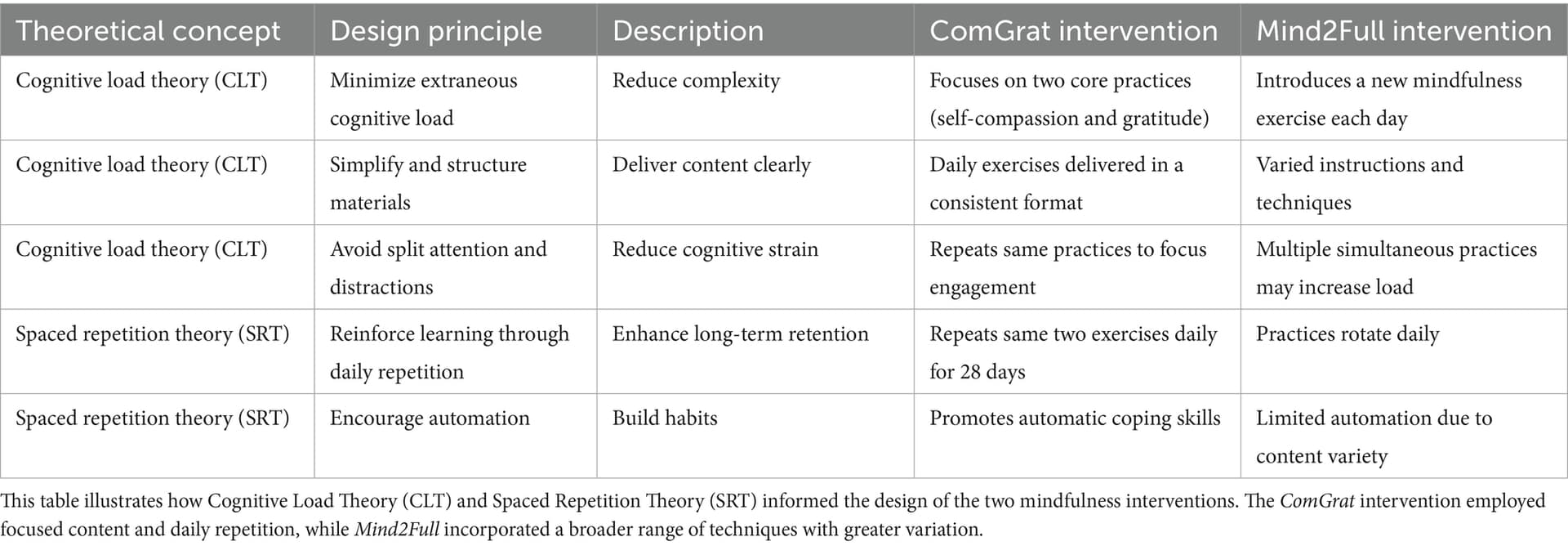
The study randomized 167 students and, after exclusions, analyzed data from 98 participants. Designers built the targeted program around two core practices, self-compassion and gratitude, delivered as brief daily digital exercises for 28 days. Researchers measured perceived stress, mindfulness, and self-compassion at baseline, post-intervention, and at a three-month follow-up to track both immediate and durable effects.
Short, consistent practice sessions were paired with instructional choices grounded in cognitive load theory and spaced-repetition principles. Investigators reasoned that distance learners face unique mental bandwidth constraints, isolation, competing roles, and task switching, and that simpler, repetition-focused designs might help busy students internalize practices more effectively than sprawling curricula. The trial’s results supported that reasoning: although both curricular styles moved the needle right away, the trimmed program was the only one that left a measurable stress reduction months later.
For teachers, program creators, and meditating students who juggle coursework with work or family commitments, the practical takeaway is clear. Focused routines emphasizing two micro-practices and repeated cues appear to increase retention and reduce cognitive friction. Implementations that use daily short exercises and spaced reminders may be more scalable for learners with limited time and attention, and they can produce more enduring stress relief than longer, more varied modules.

The findings also sharpen priorities for digital mindfulness platforms aiming to serve remote or nontraditional learners. Simplify content, prioritize high-frequency repetition, and limit cognitive load per session to improve long-term outcomes. Track perceived stress alongside mindfulness and self-compassion to evaluate whether short-term gains persist.
This study shifts the conversation from more-is-better to less-is-effective when it comes to instructional design for digitally delivered mindfulness. Expect developers and campus wellness teams to pilot leaner programs that lean into self-compassion and gratitude, and use spaced repetition so practice sticks beyond the course timeline.
This article was produced by Prism’s automated news system from verified source data, official records, and press releases, then run through automated quality and moderation checks before publishing. The system is built and supervised by the people who set the standards it runs under. Read our full AI policy.
Did this article answer your question?