Smoking Cessation Trial Pairs CBT Text With Mindfulness Audio Guidance
A WeChat-based trial enrolling 2,000 Chinese smokers will test whether adding mindfulness audio to CBT text messages cuts cravings better than CBT alone.
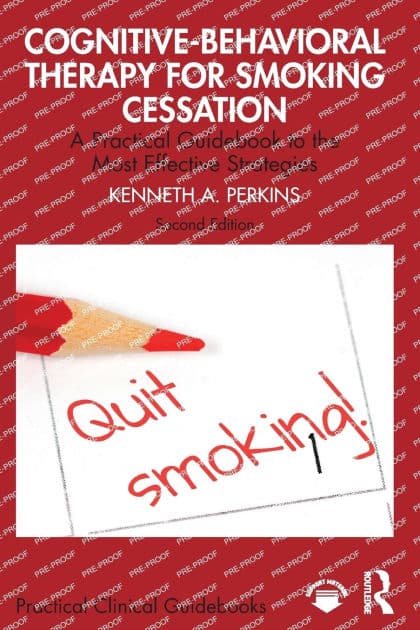
A protocol published in the open-access journal Trials on March 19, 2026 laid out a roughly 2,000-person randomized controlled trial testing whether adjunctive mindfulness audio can sharpen the results of a cognitive behavioral therapy text program for smoking cessation in China.
The parallel-group, assessor-blinded trial runs entirely through a WeChat-integrated online platform. Researchers will enroll adult smokers between 18 and 65 years old who smoke at least five cigarettes per day and express a desire to quit. Half will receive CBT text-based materials alone; the other half will receive those same materials alongside guided mindfulness audio. The intervention period runs eight weeks, with follow-up assessments extending to 26 weeks.
The protocol frames the combination as a response to a well-documented gap in cessation treatment. "Tobacco smoking remains a significant global health issue, contributing to preventable morbidity and mortality," the abstract states. "Smoking cessation is often hindered by cravings and emotional distress. Cognitive behavioral therapy has shown promise in addressing these issues, and the integration of mindfulness techniques, such as audio-guided exercises, may further enhance its effectiveness by coping with cravings, boosting self-awareness and emotional regulation."
Primary outcomes are reductions in smoking frequency, reductions in craving intensity, and improvements in emotional regulation — three metrics that sit at the intersection of behavioral and contemplative approaches to addiction. Secondary outcomes reach further, tracking changes in sleep quality, nicotine dependence, and body weight over the course of the follow-up period. Data will be collected through online questionnaires.
The trial's rationale draws on a line of prior WeChat-based cessation work conducted in China. The "Happy Quit" text-messaging trial, published in PLoS Medicine in 2018 by Liao and colleagues, and the subsequent "WeChat WeQuit" protocol, published in Addiction in 2021, established that mobile messaging platforms can reach and engage Chinese smokers at scale. The new protocol adds mindfulness audio to that scaffold, following a 2024 clinical guide by Liao on mindfulness-based intervention for substance use published through Zhejiang University Press.

The theoretical grounding for the audio component comes partly from neuroscience work showing that even brief meditation practice reshapes attention and self-regulation. Research by Tang published in the Proceedings of the National Academy of Sciences in 2007 found that short-term meditation training improved attention and self-regulation; Davidson's 2003 work in Psychosomatic Medicine documented immune and brain changes produced by mindfulness practice; and Ortner and colleagues, writing in Motivation and Emotion in 2007, found that mindfulness meditation reduced emotional interference on cognitive tasks.
A separate pilot study published via ScienceDirect tested a related but distinct approach: Mindfulness-Based Relapse Prevention for Smoking and Alcohol (MBRP-SA) against CBT in a telehealth group setting among 69 adults who both smoked and reported binge drinking. All participants in that pilot received a six-week supply of the nicotine patch. Phase 1 findings from that study fed modifications directly into its Phase 2 RCT protocol, including providing participants with both physical and electronic access to meditation materials.
The China-based Trials protocol takes a different delivery path, relying on WeChat's existing reach rather than telehealth video sessions, and strips away nicotine replacement as a variable to isolate the contribution of the mindfulness audio component itself. The assessor-blinded design, with roughly 2,000 participants across two arms, gives the trial statistical power that smaller feasibility studies could not achieve.
What the protocol does not yet answer, by design, is whether the combination actually works. That determination awaits outcome data from the 26-week follow-up, making this registration a starting gate rather than a finish line for the mindfulness-and-CBT combination in digital cessation care.
This article was produced by Prism’s automated news system from verified source data, official records, and press releases, then run through automated quality and moderation checks before publishing. The system is built and supervised by the people who set the standards it runs under. Read our full AI policy.
Did this article answer your question?