Study Finds Micro-Meditations Can Change the Brain in Seconds
A new study suggests experienced meditators can show brain-scan changes in 30 seconds, making a quick reset look less like a compromise and more like the point.
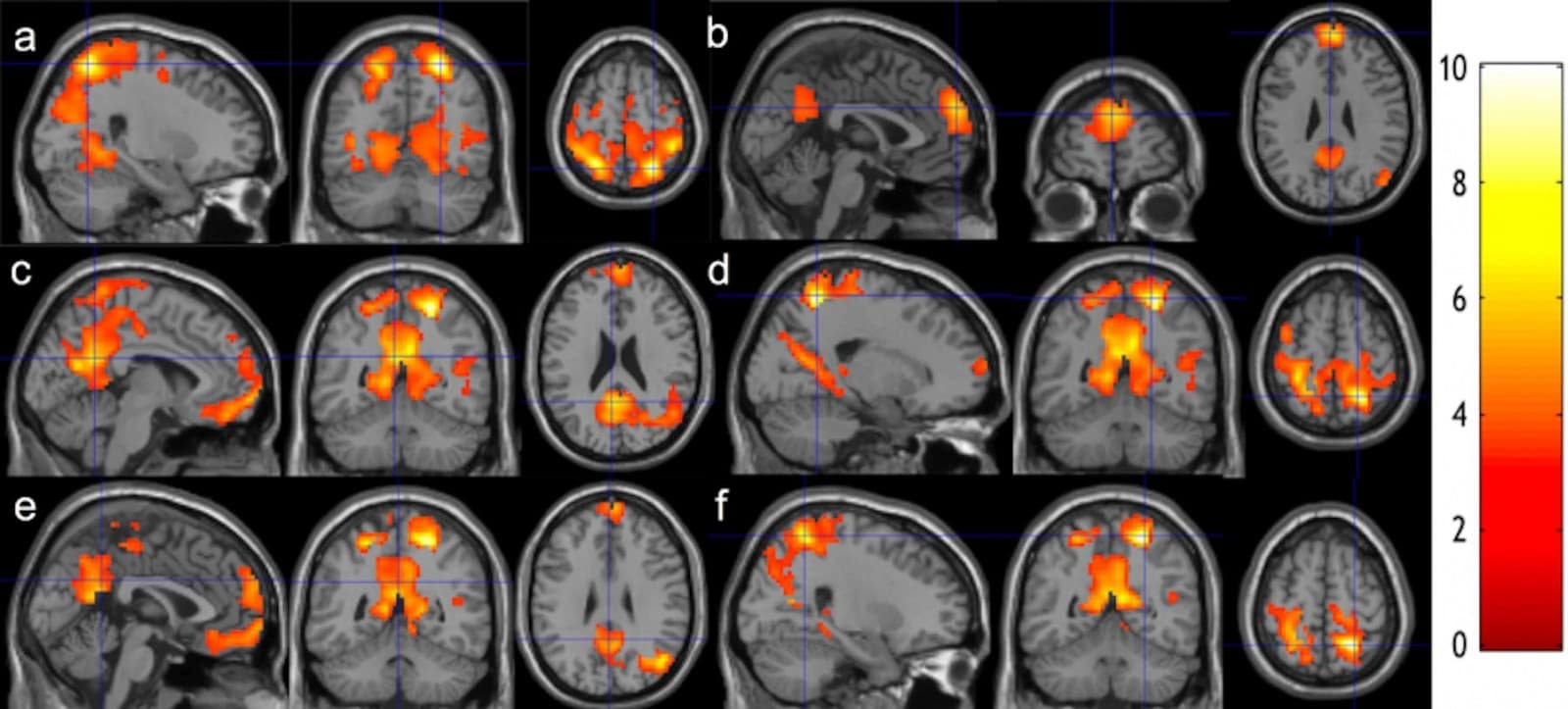
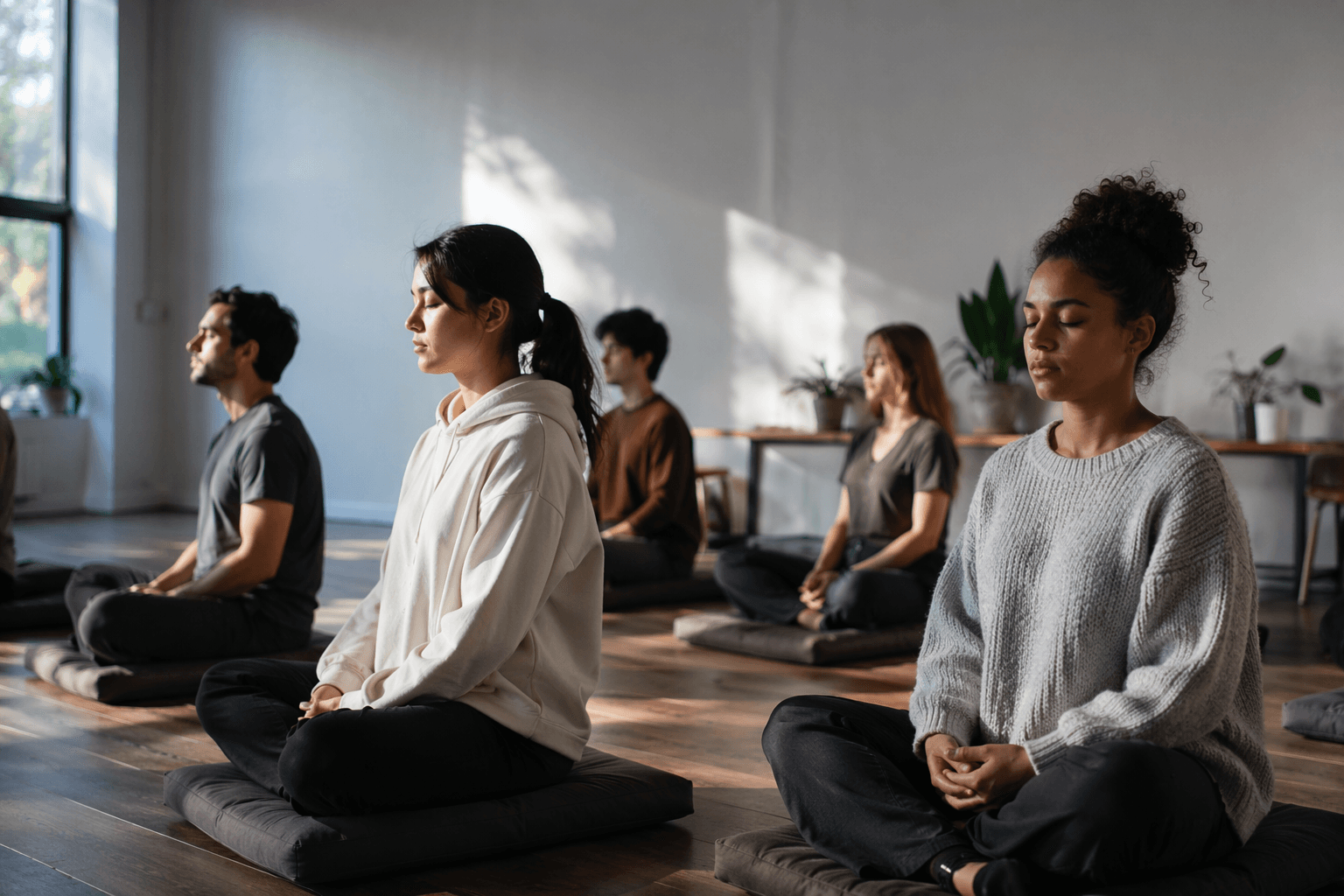
The old excuse that meditation takes too long just took a hit. A May 5, 2026 report from Yoga Journal spotlighted a March 2026 study in Springer Nature’s Mindfulness journal showing measurable EEG changes in experienced meditators in as little as 30 seconds, while newer meditators still showed shifts after only a few minutes.
The study followed more than 100 meditators, from complete beginners to people with thousands of hours of practice, and gave everyone the same meditations so researchers could compare timing rather than technique. The big difference was speed: beginners showed alpha, theta and beta1 changes after about two to three minutes, with benefits peaking around seven to 10 minutes, while advanced practitioners registered neurological effects almost immediately. That is a useful distinction, because it suggests micro-meditations are not a watered-down substitute so much as a different dose for a different moment.
What the finding does not prove is just as important. The study tracked brain activity, not every outcome people hope for when they sit down to breathe. It points to a nervous system that responds quickly, but it does not mean 30 seconds will erase a rough day, cure insomnia or replace a longer practice. The stronger claim is narrower and more practical: if you already have a meditation habit, a one-minute reset may actually be enough to change the state you are in, and if you are new, a three-minute sit may be a realistic place to begin.
That makes the real-world use cases easy to picture. A short breath practice before a tense meeting. A quiet pause on the train or in the car before you walk into the house. Three minutes while the coffee brews. Harvard Health has said beginners can start with a three-minute breathing-space meditation, and Cleveland Clinic usually recommends starting with just one minute. The National Center for Complementary and Integrative Health says meditation and mindfulness may help with anxiety, stress, depression, pain and symptoms related to substance withdrawal, which is why the details matter: short practice is not just convenient, it is now credible.
The timing also fits the scale of the audience. In January 2026, Harvard reported that the top 10 smartphone meditation apps had reached roughly 300 million downloads worldwide, a sign that millions of people are already trying to squeeze mindfulness into ordinary life. That shift has been building for years, from Harvard Health coverage of Sara Lazar’s work on meditation and brain structure to the American Psychological Association’s standard 8-week mindfulness-based stress reduction program. The new message is simpler than the old one: you do not need an hour to start changing state, and for some trained meditators, the brain starts responding before the timer feels like it has even begun.
This article was produced by Prism’s automated news system from verified source data, official records, and press releases, then run through automated quality and moderation checks before publishing. The system is built and supervised by the people who set the standards it runs under. Read our full AI policy.
Did this article answer your question?