Study maps how ordinary Americans define mindfulness differently
A new Mindfulness study found Americans split on what mindfulness means, from meditation to stress relief, and experience and culture shape the answer.
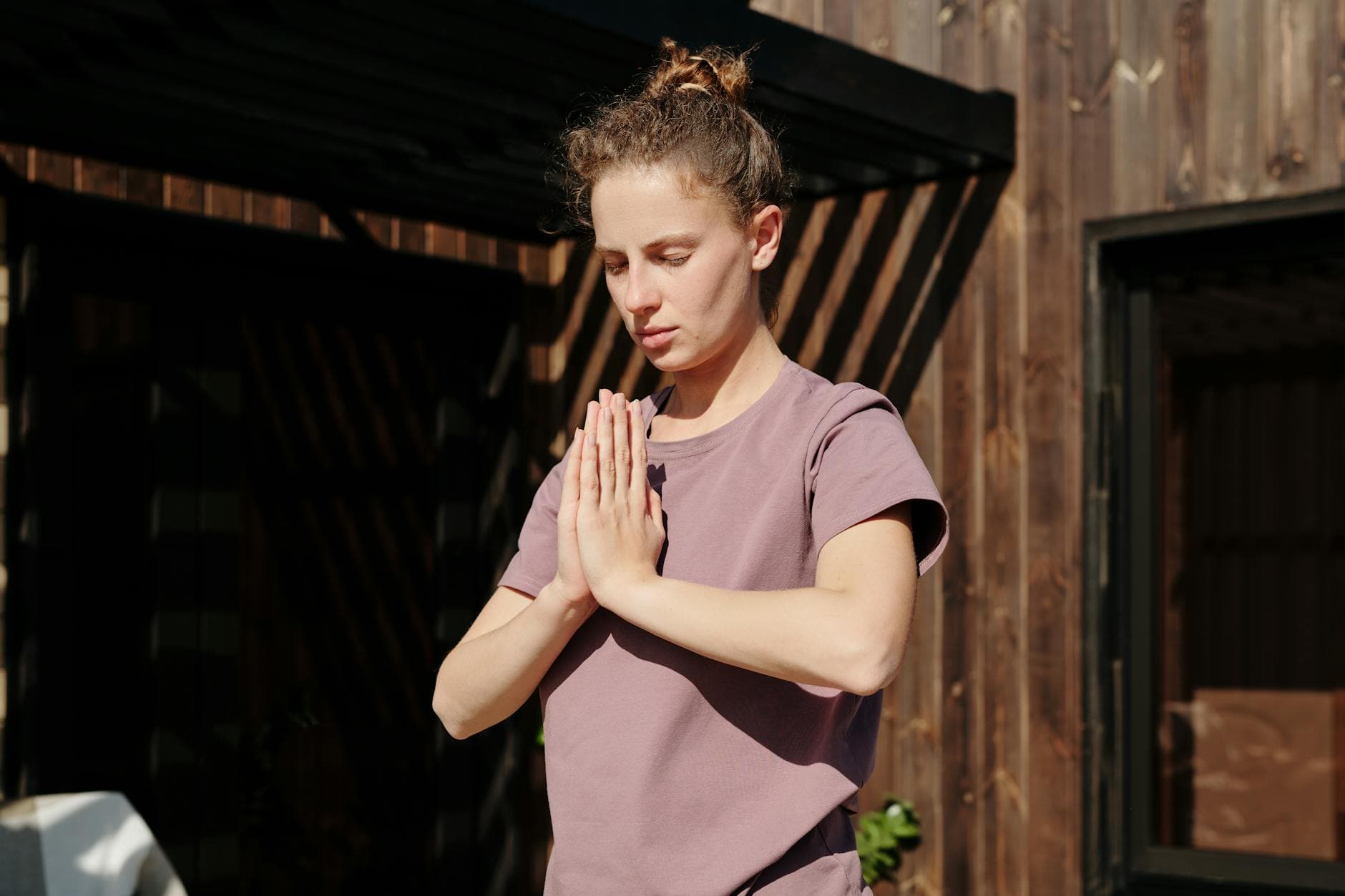
Mindfulness does not land as one clean idea in the United States. For some people it sounds like sitting meditation, for others it is a wellness routine, a secular stress tool, or something with spiritual roots, and that split matters the moment a class, app, or workplace program tries to invite them in.
That is the point of Mapping a Culture of Mindfulness: Lay Conceptions of Mindfulness and Why They Matter, a mixed-methods study published online May 11, 2026 in Mindfulness. The paper by Patton Burchett, Adrian J. Bravo, Cheryl L. Dickter, Geoffrey Haddock, Colin M. G. Foad and Sapphira Thorne focused on non-academic participants in the United States and asked a deceptively simple question: what do ordinary people actually mean when they say mindfulness? The authors argue that prior scholarship has spent years defining mindfulness from the expert side, while paying less attention to how the idea is culturally constructed in everyday life.

The answer they mapped was not uniform. The study set out to capture the context of ideas and cultural orientations that shape lay understanding, and it also examined how prior contemplative experience influences qualitative definitions. That distinction is the heart of the paper: beginners may approach mindfulness with one set of assumptions, experienced meditators with another, and people from different cultural backgrounds may hear the word through different lenses altogether. In practice, that means two people can say they are doing mindfulness and still be talking about very different habits, goals, and expectations.
That gap has real consequences for how mindfulness reaches people. A workplace program pitched as a performance tool will not sound the same as a community class framed as meditation, and a school or clinic that assumes one universal definition can miss the very audience it hopes to serve. The study’s broader message is that teachers and program designers need clearer introductions and more careful framing, because the language used to describe mindfulness may need to change with the room.
The new paper fits a growing research line that keeps circling the same problem from different angles. A 2024 Mindfulness review said the field is hampered by multiple definitions of mindfulness, and that this heterogeneity limits comparison and synthesis across studies. A 2022 Royal Society Open Science paper found that people evaluated the term mindfulness positively, and that more mindful participants were more likely to see a mindful target as strongly endorsing self-transcendence values such as equality; that same target was judged more positively than a less-mindful one. Another 2022 Mindfulness study used cultural consensus methods to examine beliefs among U.S. college-attending young adults, underscoring how much the meaning can shift by group.
The practical takeaway is simple: if mindfulness is being offered as meditation, say so. If it is being sold as stress reduction, name that too. The closer the label matches the listener’s idea of the practice, the less likely a program is to lose people before they ever sit down.
This article was produced by Prism’s automated news system from verified source data, official records, and press releases, then run through automated quality and moderation checks before publishing. The system is built and supervised by the people who set the standards it runs under. Read our full AI policy.
Did this article answer your question?