Swansea Doctor's Mindfulness Journey Inspires UK Conference for Medics
A Swansea gastroenterologist who hit burnout in 2012 turned an IBS patient's tip into an MBSR practice that now drives a Sussex Mindfulness Centre conference for medics.
When a patient with IBS mentioned mindfulness in passing, Dr Umakant Dave MBE was in the grip of something he describes with clinical plainness: "In 2012, I experienced significant stress and burnout. I found myself becoming upset and angry over small matters and struggling with poor sleep." That single patient conversation sent the Swansea consultant gastroenterologist and Honorary Senior Lecturer at Swansea University onto a path that now stretches from a Bangor teacher-training room to a forthcoming conference for medics hosted by the Sussex Mindfulness Centre.
The turning point was a Mindfulness Based Stress Reduction course Dr Dave took in 2013. "I found the course valuable and, with sustained practice, genuinely transformative," he wrote in a first-person account published by the Sussex Mindfulness Centre on 19 March 2026. Within a few months, tangible shifts arrived: reduced work stress, better relationships, and what he calls one particularly striking change: "finding moments of patience and peace during busy endoscopy lists and clinics and even smiling more."
By 2016, personal benefit had become professional commitment. Dr Dave pursued mindfulness teacher training at the Bangor Mindfulness Centre and eventually brought that training back to Swansea, teaching mindfulness principles to medical students. Research followed. He and colleagues developed Enhanced Stress Resilience Training, or ESRT, a concise mindfulness-based programme tested with Swansea medical students. The published study found that ESRT may enhance psychological flexibility and resilience while reducing stress reactivity, particularly among more vulnerable students, with those benefits persisting at six-month follow-up without any additional support or training.
The phrase "may enhance" reflects the cautious language of the published findings, and key methodological details including sample size, study design, and journal citation have not yet been made publicly available through the Sussex Mindfulness Centre's account. What is clear is that the results deepened Dr Dave's conviction. "Conducting research and publishing papers on mindfulness for doctors deepened my understanding of how essential this training is for clinicians," he wrote.
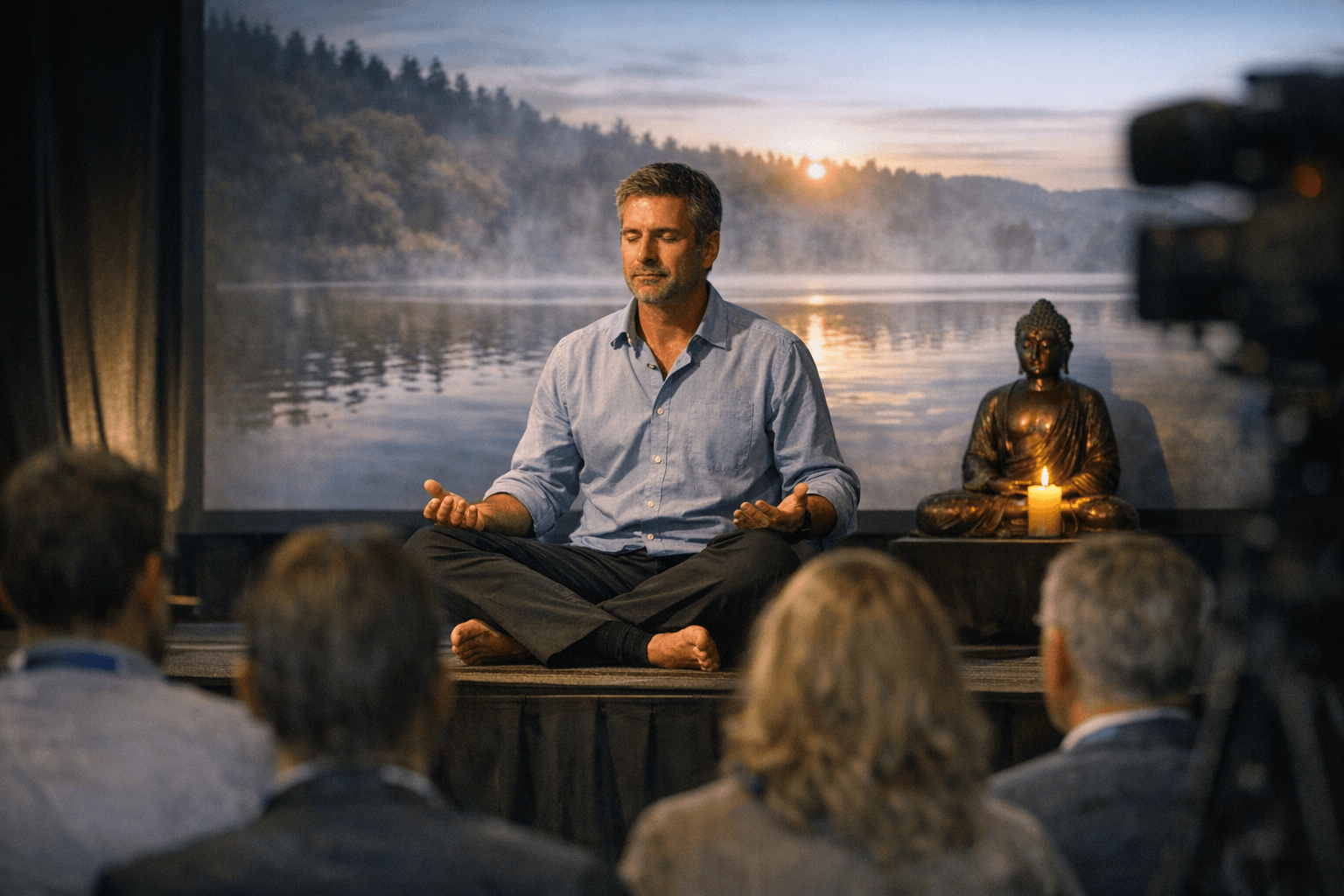
That conviction has now produced something tangible beyond Swansea: the Sussex Mindfulness Centre, operating under NHS Sussex Partnership NHS Foundation Trust, is hosting a conference for medics directly inspired by Dr Dave's journey. No dates, venue, or programme have been announced through the centre's current published material, and the scope of the event beyond its "for medics" designation remains to be confirmed.
What Dr Dave's arc from a 2012 burnout crisis to peer-reviewed research and a national centre's conference planning does illustrate is how a single patient's story, offered without any clinical agenda, can redirect a clinician's practice and eventually shape the institutions around them.
Know something we missed? Have a correction or additional information?
Submit a Tip