Swiss Hospital Trial Tests Mindfulness Program to Reduce Staff Stress
A Swiss hospital trial found a modified MBSR program cut burnout discomfort and lifted team morale among acute inpatient staff.
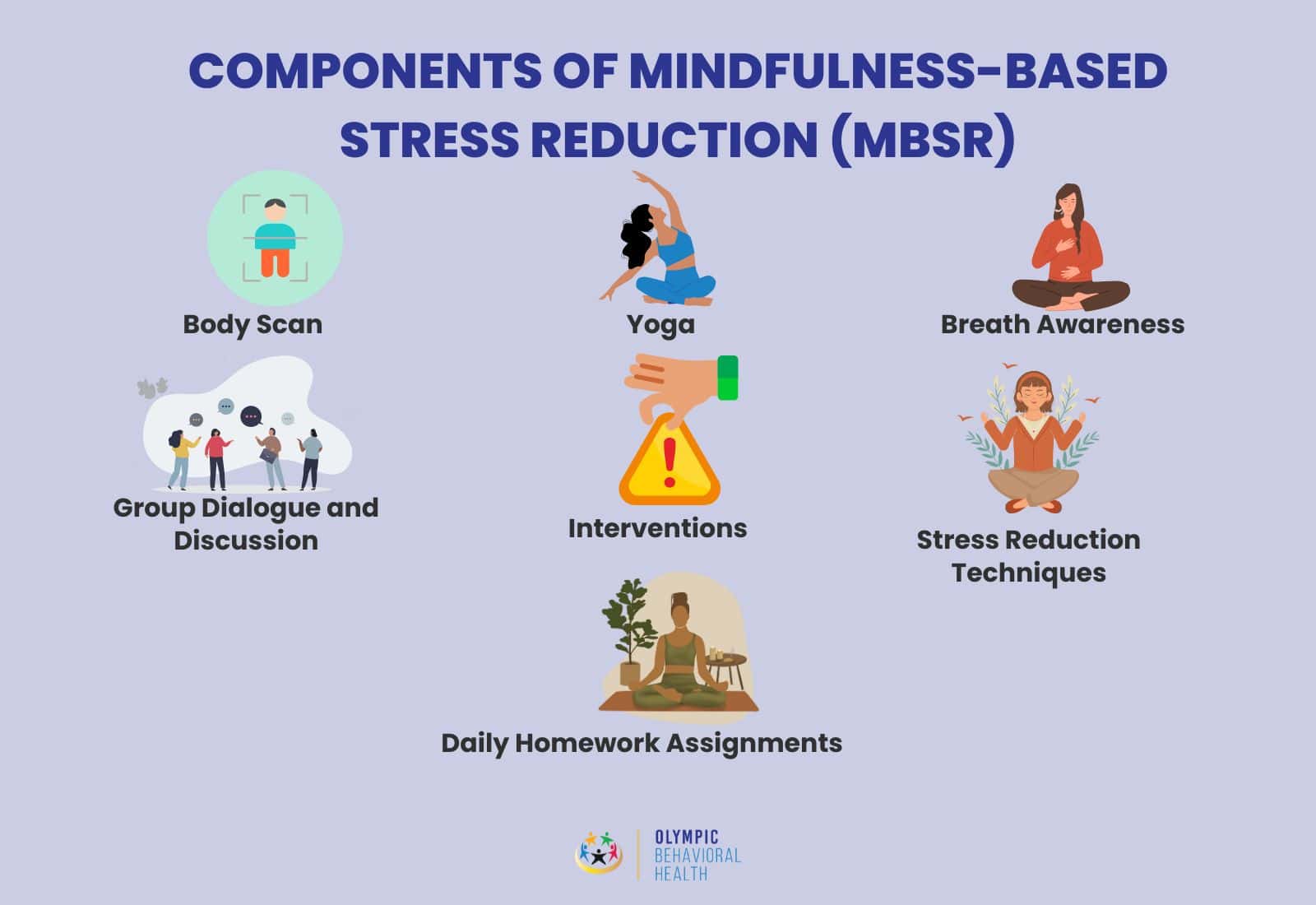
A feasibility trial out of a Swiss tertiary hospital found that a modified Mindfulness-Based Stress Reduction program reduced burnout-related discomfort and improved team atmosphere among acute inpatient healthcare workers, according to results published March 19, 2026.
The trial, formally titled "StreAM: Stress Reduction and Team Empowerment by Mindfulness for Hospital Staff," tested an adapted version of the classic MBSR format on one of healthcare's most stressed populations: the nurses, physicians, and support staff working acute inpatient wards. That setting matters. Acute inpatient care operates at a pace and emotional intensity that outpatient or community health roles rarely match, which is precisely why standard workplace wellness programs so often fail to stick in hospital environments.
What made StreAM worth watching in the mindfulness community was the dual focus built into its name. Most MBSR adaptations for clinical settings aim squarely at individual stress relief, which is legitimate and valuable. StreAM layered in a team-level outcome, measuring not just how individual participants felt but whether the ward atmosphere itself shifted. The trial found that it did. Both the individual burnout metric and the collective team environment showed meaningful improvement, a pairing that researchers in this space have long argued is necessary for lasting change in high-pressure institutional settings.

The feasibility framing is important context for anyone following the evidence base for occupational mindfulness programs. A feasibility trial is designed to test whether a larger, controlled study is practical and warranted, not to deliver definitive proof of effect. The Swiss StreAM results clear that bar: the program ran, participants engaged, and the measurements moved in the right direction. That positions a more rigorous follow-up trial as the logical next step.
For the broader MBSR community, StreAM represents something the tradition has been working toward for years: a protocol flexible enough to meet shift workers and clinical teams where they actually are, without gutting the core practice elements that give MBSR its evidence base. Whether the Swiss model translates to other hospital systems, with different staffing cultures and scheduling constraints, is the question a full-scale randomized trial would need to answer.
Know something we missed? Have a correction or additional information?
Submit a Tip