Three-week digital mindfulness training increases interoceptive awareness, improves high-intensity exercise performance
A three-week digital mindfulness program raised interoceptive awareness in undergraduates and was linked to modest gains in high-intensity exercise performance, highlighting practical benefits for body awareness and training.
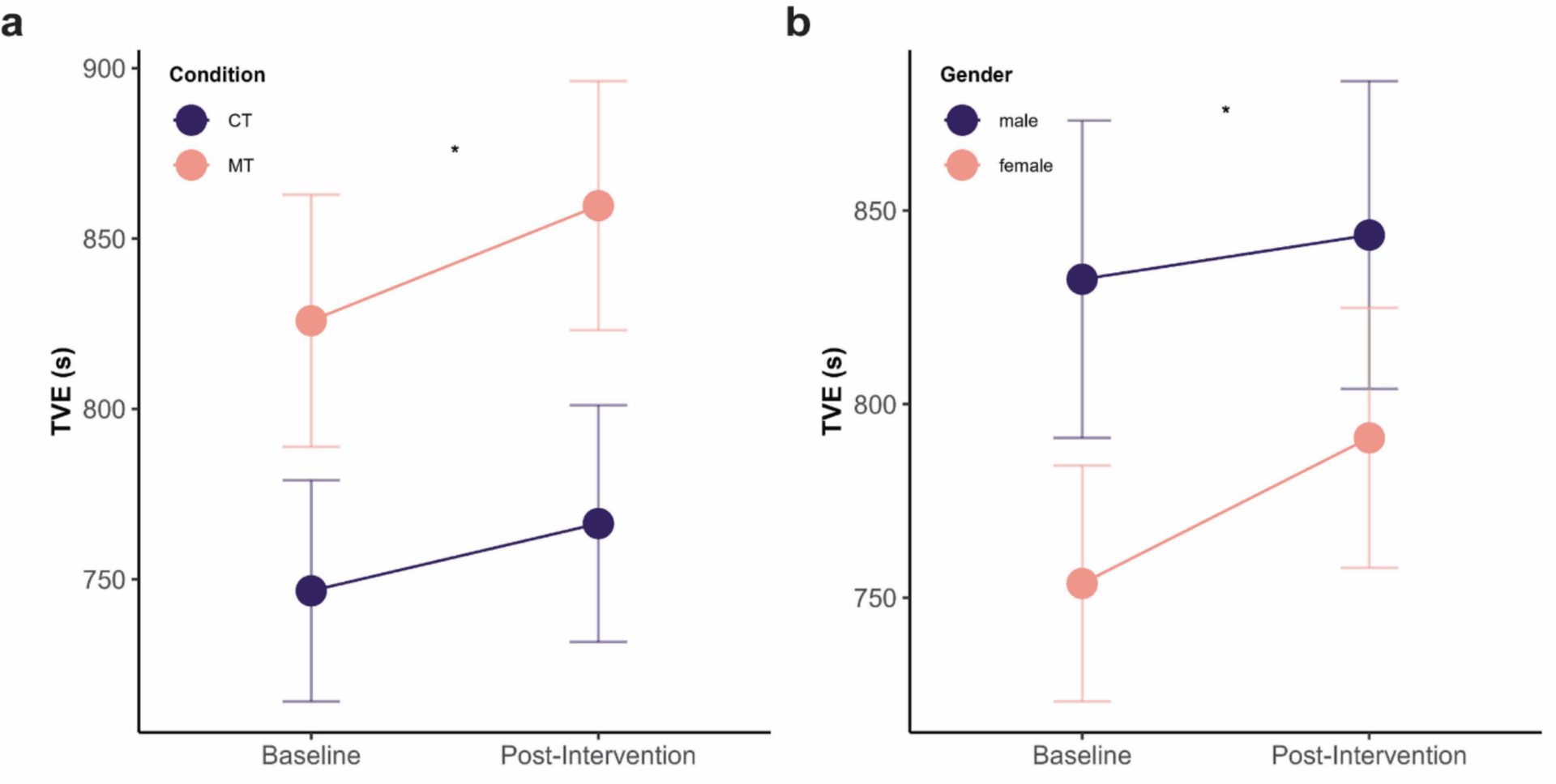
A short, three-week digital therapeutic mindfulness training (DTx MT) produced measurable gains in interoceptive awareness among undergraduates in a randomized trial that compared the program to cognitive training as an active control. The study also reported a modest improvement in high-intensity exercise performance, a finding that connects subjective awareness to physical output and may matter to meditators, coaches, and community fitness groups.
The randomized trial tested a fully digital mindfulness intervention over three weeks against an active cognitive-training control in a student sample. The trial report states that “DTx MT significantly increased interoceptive awareness; it also produced a small but sig”, the sentence in the shared notes is truncated and key methodological details such as sample size, exact outcome measures, and objective exercise metrics were not included in the available excerpt. Those gaps mean readers should treat the exercise-performance claim as promising but provisional until the full trial data are released.
That single trial sits within a broader evidence base. A pre-registered meta-analysis of 29 randomized controlled trials, pooling 2,191 participants (77.8% female, mean age 32.8 years), found a reliable, small-to-medium effect of mindfulness interventions on self-reported interoception (Hedges’ g = 0.31, p < 0.001, 95% CI [0.21, 0.42]) with low-to-moderate heterogeneity (τ = 0.16). Structured mindfulness-based programs such as MBSR and MBCT produced the largest effects (g = 0.41), and the Multidimensional Assessment of Interoceptive Awareness (MAIA) was the most commonly used measure in 22 studies. The meta-analysis also reported that gains in interoception were similar in size to gains in self-reported mindfulness and were linked to reductions in psychological distress, with no evidence of publication bias.
For the mindfulness community and local meditation groups, the practical value is clear: short, guided digital practice can shift how people perceive internal signals such as breath, heartbeat, and bodily tension, and those shifts can relate to mood regulation and possibly to athletic performance. Digital therapeutics offer a low-friction way to scale practice, but community teachers and practitioners should note that most meta-analytic measures were self-report tools like the MAIA; whether changes map onto objective interoceptive accuracy or durable fitness gains requires more data.

Social reaction has been active, with posts asking, “But does it work? What does the science say?” and naming researchers including Isaac Treves, Simon Goldberg, Zev Schuman-Olivier, Wolf Mehling, and Sahib Khalsa among contributors to the broader literature. One clinician comment captured the applied tone: “This is fascinating, Eric! Deepening self-awareness through mindfulness, especially interoceptive awareness, can be incredibly transformative for both mental and physical health. At Blue Mountain Psychiatry, we recognize the power of mindfulness-based programs like MBSR and MBCT in helping individuals manage stress, improve emotional regulation, and boost overall well-being. This study reinforces how mindfulness not only reduces mental distress but also enhances self-awareness in meaningful ways. Thank you for sharing this valuable research! 🧘♂️💡”
What comes next matters for practice: verify the full trial report for sample size, measures, and objective exercise outcomes; compare brief DTx MT effects to longer MBPs; and for now, try short daily body-scan or breath practices, track perceived body awareness and workout markers, and watch for follow-up studies that confirm whether digital mindfulness can reliably translate felt awareness into measurable performance gains.
This article was produced by Prism’s automated news system from verified source data, official records, and press releases, then run through automated quality and moderation checks before publishing. The system is built and supervised by the people who set the standards it runs under. Read our full AI policy.
Did this article answer your question?