UCLA Mindful expands free meditation access with hybrid weekly sessions
UCLA Mindful now looks less like a workshop page and more like a weekly practice menu, with free hybrid sessions, a museum drop-in, and a multilingual app.
A meditation schedule built like infrastructure
UCLA Mindful is no longer just offering meditation in the abstract. Its current classes and events page reads like a working calendar for real life: a 30-minute Monday drop-in, new Tuesday and Wednesday morning sessions, a free weekly meditation class, and a hybrid museum-based practice all sit side by side as easy entry points. The message is clear: mindfulness is being packaged as something you can actually use, not something you have to go hunt down.
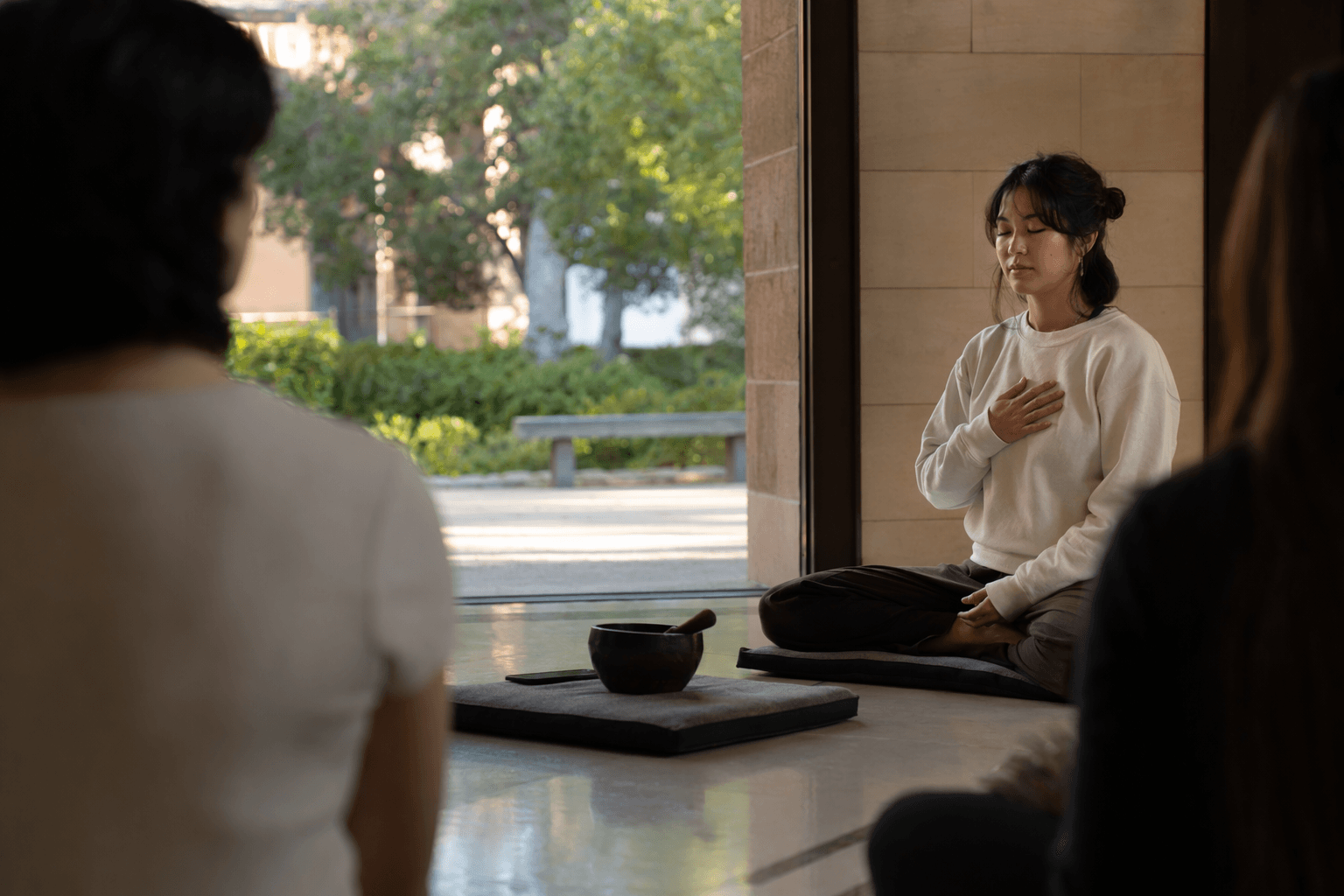
That matters because the page gives people multiple ways in. If you want a short reset before work, Morning Mindfulness starts the day with 30 minutes online on Tuesdays and Wednesdays from 9:00 to 9:30 am PT. If you want a standing weekly practice, Mindful Monday runs virtually on Mondays from 12:30 to 1:00 pm PT via Zoom. If you want a different setting altogether, Hammer Drop-In Meditation adds an arts-and-culture dimension through a weekly hybrid session. This is what scale looks like in mindfulness: different formats, different time windows, and one recognizable UCLA entry point.
What’s on the weekly menu
The most useful thing about UCLA Mindful’s current lineup is how specific it is. Morning Mindfulness is designed as a simple start-of-day practice, and it is open to all. Mindful Monday keeps the commitment short at 30 minutes and keeps it virtual, which makes it easy to fold into a lunch break or a mid-day pause. Hammer Drop-In Meditation is also 30 minutes, but it adds a hybrid option and a public-facing museum context, which broadens the feel of the practice beyond a classroom or clinic.
The page also includes a Free Weekly Meditation Class and openings for applications or registration in other mindfulness-related offerings. That detail turns the page into more than a calendar of isolated events. It works like a public service menu, where a beginner can find a first step, a regular practitioner can find a cadence, and someone with a tighter schedule can still get a usable practice without special equipment or a long time commitment.
A quick guide to the current formats looks like this:
- Morning Mindfulness: Tuesday and Wednesday, 9:00 to 9:30 am PT, online, open to all
- Mindful Monday: Monday, 12:30 to 1:00 pm PT, virtual via Zoom
- Hammer Drop-In Meditation: weekly, 30 minutes, hybrid, open to anyone interested in learning to “live more presently”
- Free Weekly Meditation Class: a recurring public-facing option that reinforces the program’s open-access model
Why the UCLA name changes the equation
This is not a pop-up wellness page; it comes out of a long-running UCLA structure. UCLA Mindful describes itself as the mindfulness education center at UCLA Health, with a mission to advance mindfulness education for individual and cultural well-being and resilience worldwide. It says its programs are open to the general public as well as UCLA staff, faculty, and students, which is part of what makes the page feel broad instead of niche.
The history matters here. Sue Smalley founded the Mindful Awareness Research Center at UCLA in 2004, and UCLA says MARC began conducting research and offering educational programs in 2006. As of 2023, MARC at the Semel Institute focuses on research, while UCLA Mindful at UCLA Health emphasizes mindfulness education within UCLA Health and worldwide. That split tells you exactly how this ecosystem is built: research on one side, public-facing education on the other, with UCLA’s name giving the whole operation institutional weight.
Diana Winston and the teaching model behind the program
The director’s role is not incidental in a program like this. Diana Winston leads UCLA Mindful, and UCLA says she has taught mindfulness for health and well-being since 1993. She has also developed the evidence-based Mindful Awareness Practices curriculum and Training in Mindfulness Facilitation, two names that matter if you care about how a practice moves from a single class into repeatable instruction.
That kind of teaching background helps explain why the offerings are so consistent and so practical. This is not meditation as a one-off lecture. It is meditation as a structure you can revisit, with a curriculum feel behind the free public sessions and the recordings that come out of them.
The app extends the classroom beyond Westwood
The other big piece of the story is digital. UCLA Mindful’s app is described as free and evidence-based, and it is built for use anywhere. UCLA says it includes meditations in 16 different languages, which is a serious accessibility move, not a cosmetic feature. The numbers attached to the app show that the audience is already there: Google Play lists more than 100,000 downloads and a 4.6-star rating from 280 reviews, while the Apple App Store shows 163 ratings and a 4.5-star rating.
The app also sits alongside weekly recordings from live and virtual drop-ins, including Hammer Museum meditations. That matters because it turns a one-time attendance into a repeatable habit. If you miss the live session, the practice does not disappear. It follows you home, and it stays free.
Keeping the doors open
UCLA Mindful has also launched a Supporter/Benefactor Donation Program to help sustain its free resources, including the app, daily drop-in meditations, and weekly free meditation classes. That is the hidden machinery behind the open calendar: access does not maintain itself. If a program wants to keep offering free drop-ins, multilingual app content, and weekly classes to the public, it needs a funding model that protects the low barrier to entry.
That is why this story lands as more than a schedule update. UCLA Mindful is building a meditation infrastructure that looks increasingly normal, which is exactly the point. The university name gives it credibility, the hybrid format gives it reach, the free model keeps it open, and the repeated weekly sessions make it usable in the messy rhythm of actual life.
This article was produced by Prism’s automated news system from verified source data, official records, and press releases, then run through automated quality and moderation checks before publishing. The system is built and supervised by the people who set the standards it runs under. Read our full AI policy.
Did this article answer your question?