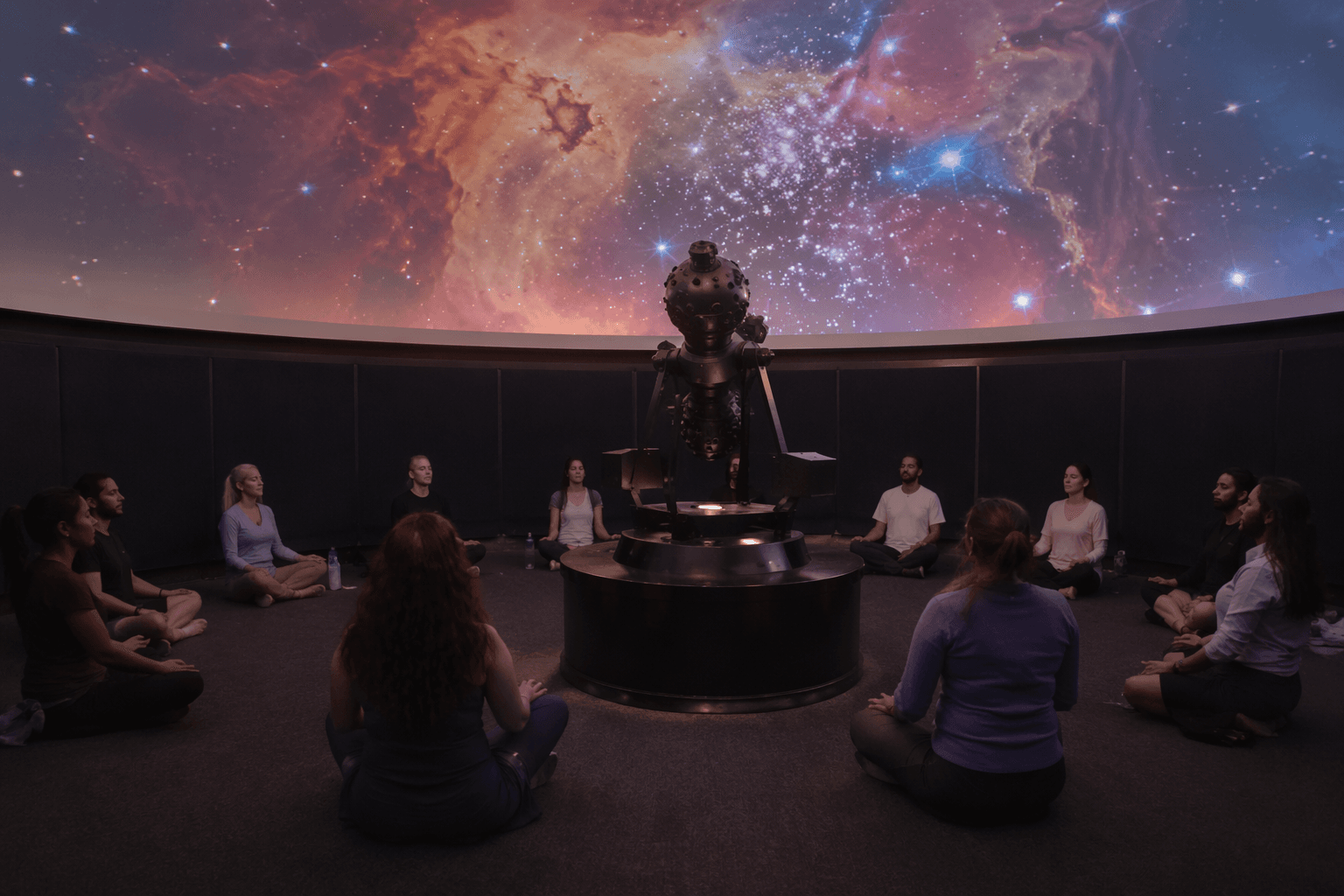
UF Pain Researchers Present Mindfulness and Brain Stimulation Studies at USASP 2026
Pain TRAIL researchers tested whether brain stimulation amplifies mindfulness meditation's effects on knee osteoarthritis, presenting two studies at USASP 2026 in Philadelphia.
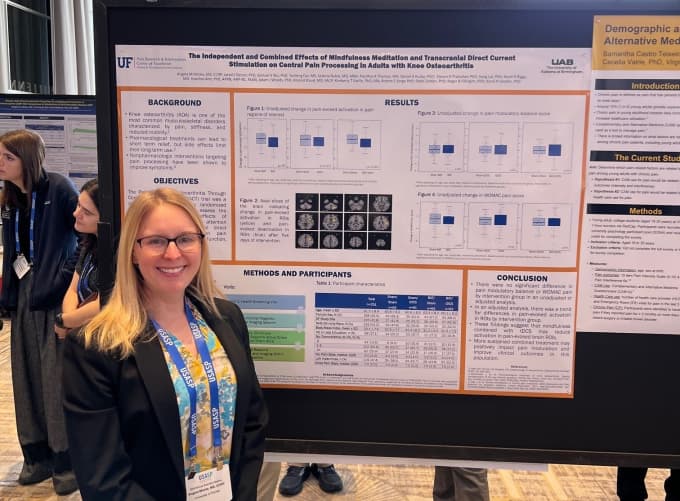
Combining mindfulness meditation with transcranial direct current stimulation to treat knee osteoarthritis pain was the focus of two studies that researchers from the University of Florida's Pain TRAIL lab brought to the United States Association for the Study of Pain conference in Philadelphia last week.
Angela Mickle, MS, CCRP, presented findings on the independent and combined effects of mindfulness meditation and tDCS on pain in adults with knee osteoarthritis. The study examined whether the two interventions produce additive or synergistic changes in pain perception when applied together, a question that sits at the frontier of multimodal pain research. Selenia Rubio, MD, MBA, CCRP, extended that inquiry to physical function, presenting data on how the same mindfulness-plus-tDCS combination affects what patients can actually do day to day.
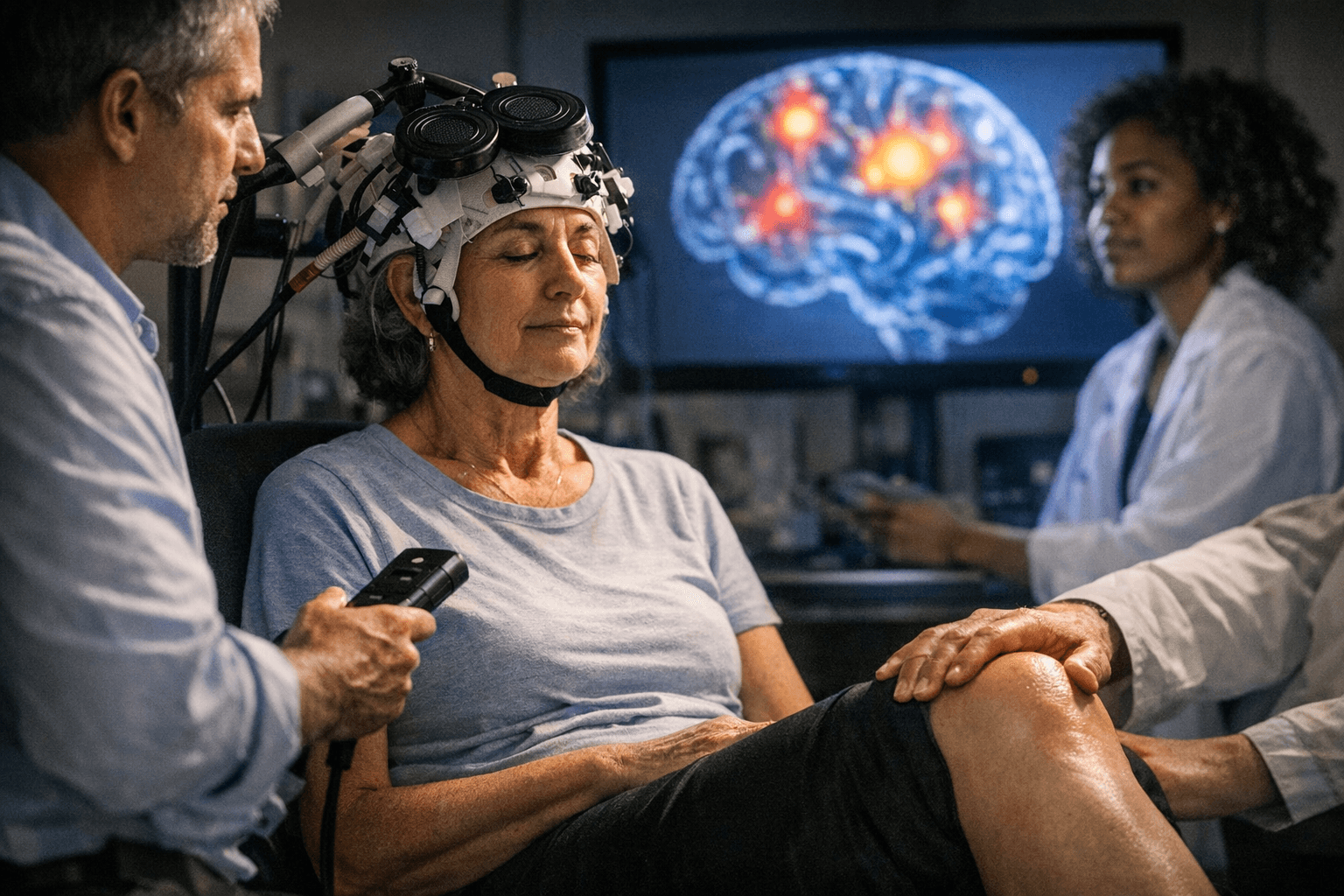
The Translational Research in Assessment and Intervention Lab, known as Pain TRAIL, positioned these designs as part of a broader methodological shift: rather than testing single mechanisms, the lab is probing whether brain stimulation can amplify the behavioral and neural effects that mindfulness practice produces on its own. Transcranial direct current stimulation delivers low-level electrical current to targeted cortical regions, and pairing it with contemplative training gives researchers a tool to interrogate both symptom change and neurobiological mechanism in the same trial.
USASP 2026 ran March 23 through 26, and the UF group's slate extended beyond the two mindfulness studies. Other presentations from Pain TRAIL covered white matter changes associated with pain burden, approaches to harmonizing pain phenotyping across study populations, and factors shaping older adults' intentions to begin medical cannabis use, reflecting the lab's wider interest in nonpharmacologic and emerging-pharmacologic options for chronic pain.
The conference setting matters for work at this stage. USASP gathers the major figures in U.S. pain science each year, and presenting pilot or early-phase data there invites direct feedback that can refocus a trial design before larger funding is pursued. For the mindfulness field specifically, the UF work signals that contemplative interventions are being integrated into mechanistically rigorous designs rather than studied in isolation from neuroscience.
If the combined mindfulness-tDCS protocols show durable effects in full randomized trials, the clinical picture could shift meaningfully for patients managing knee osteoarthritis, one of the most prevalent sources of chronic musculoskeletal pain in older adults. The full abstracts from USASP 2026 are the immediate reference for practitioners tracking this line of research, with peer-reviewed publications expected to follow as Pain TRAIL moves from pilot data toward larger mechanistic imaging studies.
This article was produced by Prism’s automated news system from verified source data, official records, and press releases, then run through automated quality and moderation checks before publishing. The system is built and supervised by the people who set the standards it runs under. Read our full AI policy.
Did this article answer your question?