Romania takes center stage in minimal techno’s Rominimal sound
Romania’s rominimal has its own swing, folding folk and classical cues into patient club music built around Raresh, Rhadoo, and Petre Inspirescu. The center of gravity has moved.
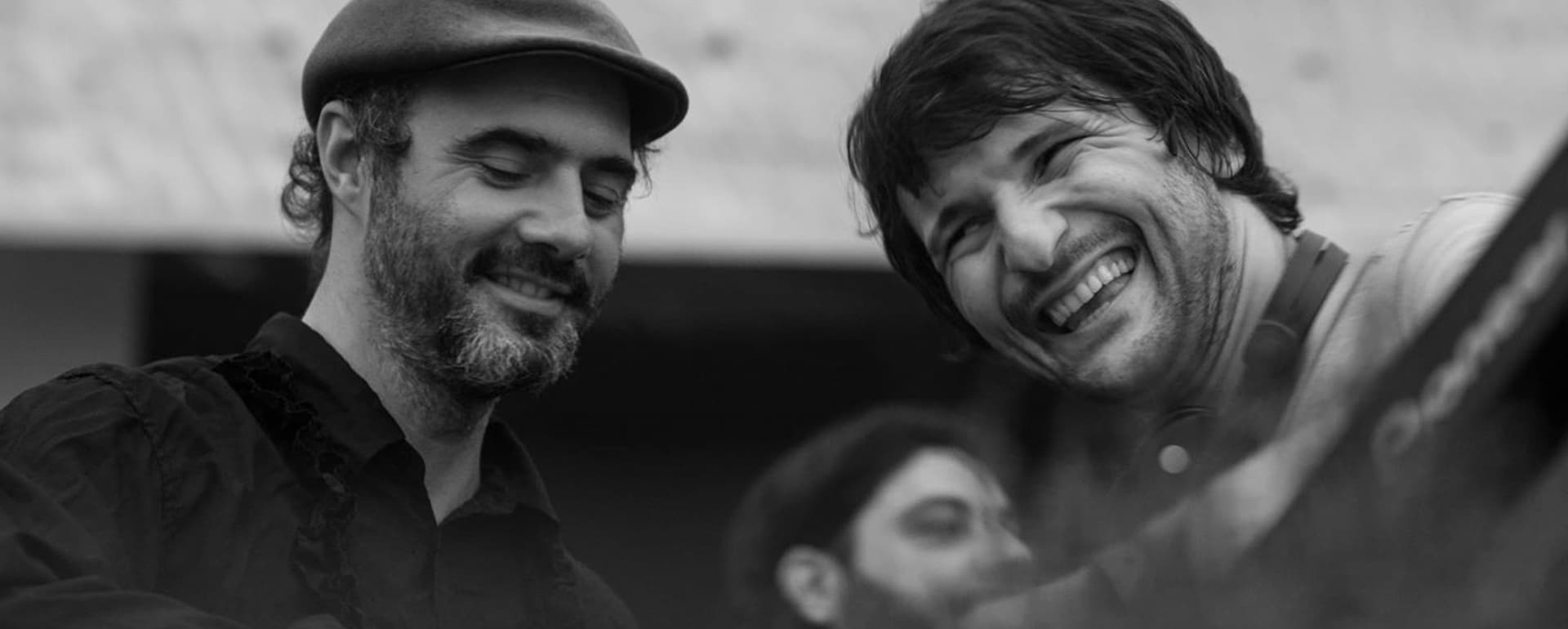
Minimal techno still gets framed through Berlin and Detroit, but Bandcamp Daily’s July 17, 2026 scene report puts Romania in the middle of the map. Ted Davis’s “Let’s Get Rominimal,” illustrated by Jordan Warren, treats rominimal as a long-running regional language, not a side note, and it listens for the swing, patience, and local detail that make the sound read as Romanian first and international second.
Romania is not an offshoot here
The key move in the report is simple: Romania is described as “a bastion” for minimal techno for decades. That matters because it changes the reference point. Instead of treating the country as a place that borrowed the style later, the piece frames Romanian minimal as a scene with its own vocabulary, audience expectations, and production standards.
Bandcamp Daily places the story inside its ongoing Scene Report franchise, which is another clue that this is being treated as a living ecosystem rather than nostalgia bait. That current framing lines up with the way the scene has held together across years of club culture, online discovery, and festival infrastructure, especially in Bucharest.
What Rominimal actually sounds like
Rominimal is not just a label applied to any stripped-back 4/4 track from Eastern Europe. The report says the style weaves elements of folk and classical music into patient dance music, which is exactly why it feels different from harder, more functional minimal strains. The groove is described as “swung and balmy,” and that phrasing gets at the crucial thing: the music leans on subtle motion, not brute force.
That swing changes how the room feels. Rather than slamming every element into the grid, the best Romanian cuts let percussion breathe, let basslines roll, and let tiny melodic shapes drift in and out of focus. The result works especially well in Romania’s intense rave culture, where long-form sets and endurance-based dancefloor experiences reward restraint, not just impact.
For practical listening, pay attention to:
- Kicks that stay tight but never feel over-processed
- Percussion that sits slightly behind the beat, giving the groove its sway
- Thin melodic fragments that hint at folk or classical phrasing without turning sentimental
- Arrangements that open slowly, then keep rewarding patience instead of chasing a drop
That is the center of the style. The music still functions as club music, but it does so with a softer, more elastic feel than the minimal techno listeners usually associate with Western European or American scenes.
The names that keep the scene coherent
A scene only stays legible when the names around it keep repeating with purpose, and Romanian minimal has that kind of internal map. Rominimal.club puts Raresh, Rhadoo, Petre Inspirescu, and Sunwaves at the center of the conversation, which is exactly where the scene’s identity gets anchored for a lot of listeners. Those names are not decoration. They are the coordinates that make the sound legible as a network, not a random pile of tracks.
The broader field is visible in XLR8R’s Romanian house and techno feature, which profiles Amorf, Priku, Sublee, Cosmjn, Dan Andrei, and Orli. That spread matters because it shows how much deeper the ecosystem runs than the canonical trio usually mentioned in shorthand. When you line those artists up together, the scene stops looking like a single export product and starts looking like a regional grammar with many speakers.
Electronic Beats’ archival “A 10-Track Beginner’s Guide To Rominimal, The Underground Tech-House Sound Of Romania,” originally published in 2017, reinforces that this is not a new discovery. The fact that it was revisited as part of a website relaunch because its themes still felt relevant says a lot about how durable the sound’s core logic has been.
Where the scene lives now
The current infrastructure around rominimal is as telling as the records themselves. Rominimal.club says it offers 24/7 live radio, track discovery, and scene guides from Bucharest, which gives the style a continuous circulation point instead of a once-a-week spotlight. That kind of always-on curation is part of why the scene keeps generating new listeners without flattening its identity.
Boiler Room’s Bucharest page adds another piece of the picture. It says the platform is returning to Romania for the third time and calls the upcoming broadcast its biggest in the country to date, with 6 artists and an extended 6-hour stream. That scale matters because it shows international attention landing on a scene that already has its own internal logic, rather than inventing one for the camera.
If you want the shortest possible guide to how to hear rominimal properly, start with the groove, not the brand name. Listen for the patient arrangement, the swung pulse, and the folk-and-classical shading that slips through the club frame. Once you hear that combination, it becomes hard to mistake Romania’s role in minimal techno for anything other than central.
This article was produced by Prism’s automated news system from verified source data, official records, and press releases, then run through automated quality and moderation checks before publishing. The system is built and supervised by the people who set the standards it runs under. Read our full AI policy.
Did this article answer your question?