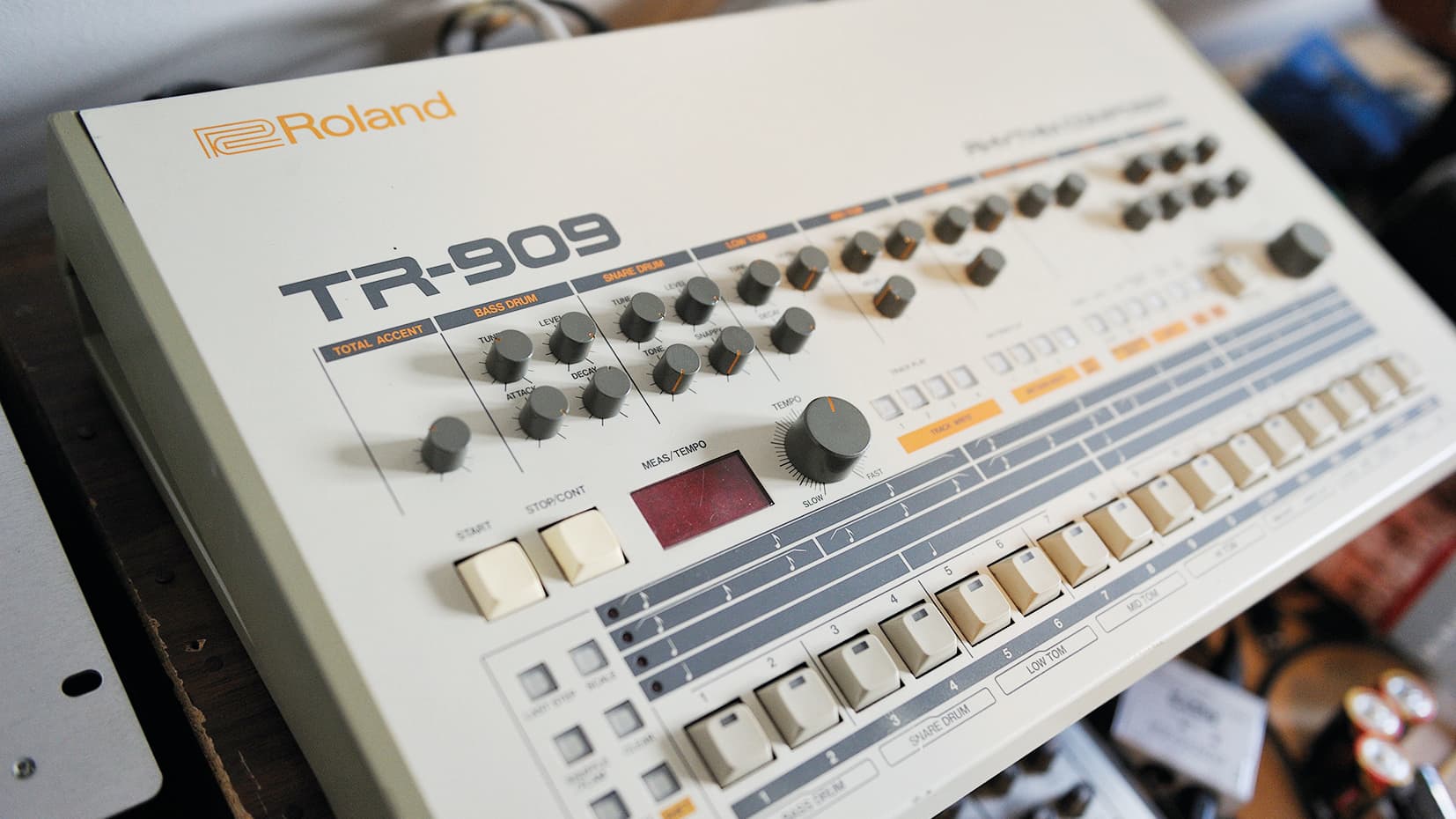
Technotitlan Records blends minimal techno with Mexico's prehispanic roots
Technotitlan turns minimal techno into AZTECHNO, using Coacalco roots and prehispanic framing to make the genre read as distinctly Mexican.

Technotitlan Records does not present minimal techno as a blank, borderless club language. The label is listed in Coacalco, Mexico, with a date estimate of 2006, and it calls itself “THE FUTURE SOUND OF MEXICAN TECHNO,” then gives that future a name of its own: “AZTECHNO: Prehispanic music created with Techno-logy.” That is a scene position as much as a label bio, and it changes how the music reads before a single kick lands.
A label that names its own lane
The most important thing Technotitlan does is refuse to sound generic on the page. Resident Advisor lists the label as producing techno, minimal techno, hard techno and ambient techno, but the self-description narrows the identity much more sharply than the genre tags do. By folding prehispanic reference into the label name itself, Technotitlan treats minimal techno as a vessel for memory and place rather than as abstract reduction.
That matters because minimal techno often lives or dies on tension. Strip too much away and the track becomes airless; keep enough identity in the loop and it starts to feel like a statement. Technotitlan’s framing suggests exactly that balance, using repetition, space and club functionality as a platform for a cultural claim instead of an excuse for anonymous dancefloor utility.
Coacalco as a real-world anchor
The Coacalco address keeps the project from drifting into aesthetic cosplay. Too often techno branding borrows from history while floating free of any actual local infrastructure, but Technotitlan is pinned to a specific place in Mexico, not to a vague international circuit. That detail matters because it makes the label feel like part of a working scene rather than a mood board.
The same city appears in the Resident Advisor listing for We Love Techno, which is dated to 2005 and described as a Mexican company dedicated to promoting electronic music through a label, events and festivals production, a music academy, DJ booth and audio rental, and management. Put next to Technotitlan, that points to a broader Coacalco ecosystem with enough muscle to support labels, events and the practical side of scene building. A YouTube interview titled “Acid Kit - Mexico City” pushes that continuity further by identifying Acid Kit as the founder of We Love Techno and Technochtitlan Records and saying he explains how the labels came about and the Aztechno sound.
What the sound promise tells you
Technotitlan’s genre spread is broad on paper, but the interesting part is how the categories sit beside one another. Minimal techno, hard techno and ambient techno are not usually marketed with the same cultural language, yet Technotitlan ties them together under the same AZTECHNO umbrella. That suggests a label thinking in terms of function and atmosphere, not just BPMs and subgenre boxes.
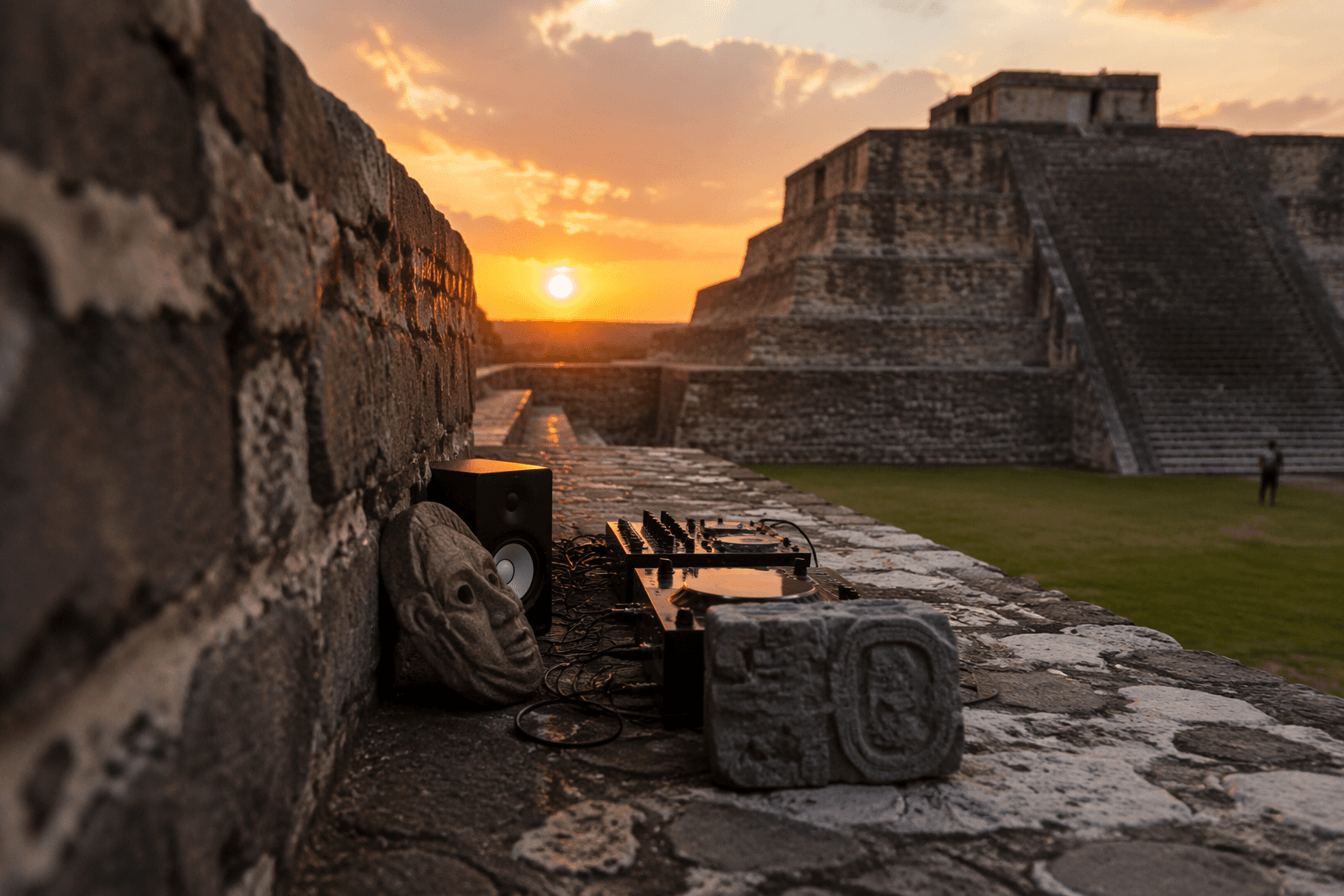
For minimal-techno ears, the key detail is the way the label ties stripped-back club music to prehispanic elements. That does not mean every release will be folkloric or ceremonial, and it should not be read that way. It does mean the label wants the sonic result to carry a specific Mexican identity, so a lean groove can feel like more than a tool. It becomes a way of saying where the music comes from and who gets to name it.
A cultural frame bigger than one imprint
Technotitlan’s language makes more sense when you place it against the longer history of how Mexico’s past has been narrated. An NPR Throughline episode on the fall of Tenochtitlán revisits the Aztec capital and points out that the story of European dominance has long been treated as historical truth. Against that background, a label using Aztec and prehispanic references is not just decorating its cover art. It is pushing back on the idea that modern techno has to sound culturally weightless to be credible.
That same impulse shows up elsewhere in the culture. Mexicolore has a piece on introducing pre-Hispanic sounds from Mexico into modern music compositions, which makes Technotitlan feel less like a one-off branding experiment and more like one node in a wider creative conversation. Remezcla has also described Mexico as having one of the healthiest electronic-music scenes in the world, and that matters because it places this label inside a national scene with enough depth to support specialization. This is not an isolated novelty; it is part of a scene that can sustain local accent in a global genre.
Why international listeners will read it differently
The international minimal-techno audience tends to reward records that are precise, functional and unforced. Technotitlan adds something else to that equation: a declared cultural point of view. The Hammer Museum’s 2023 Technotitlan program, described as a visual and sonic experience built from house and techno records, Latin-based samples and Garay’s personal archive, shows how the name already travels in a broader art context that treats techno as archive, memory and composition at once.
That is where Technotitlan becomes more than a clever label name. If the project holds to the AZTECHNO frame, then minimal techno from this corner of Mexico is not being presented as a copy of European or North American templates. It is being positioned as Mexican first, minimal second, and that ordering could shape how listeners outside the country hear Latin American techno: not as a regional variant of a global norm, but as a scene with its own language, its own origin story and its own future.
This article was produced by Prism’s automated news system from verified source data, official records, and press releases, then run through automated quality and moderation checks before publishing. The system is built and supervised by the people who set the standards it runs under. Read our full AI policy.
Did this article answer your question?