AI shapes design of Brookhaven's Electron-Ion Collider detector
AI is already shaping Brookhaven’s Electron-Ion Collider before first beam. Its ePIC detector will have to untangle collisions that send particles 40 meters down the beamline.
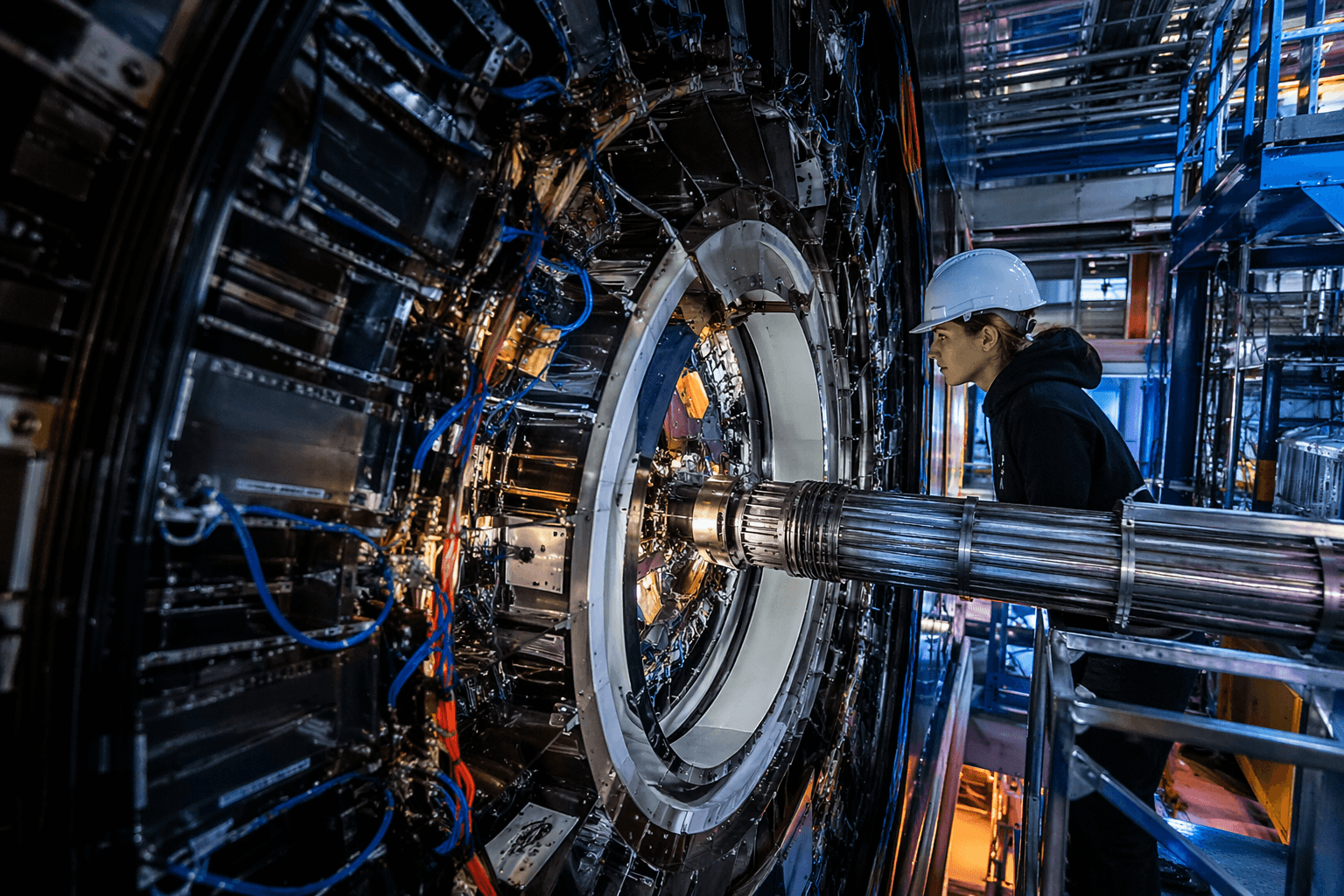
A detector for Brookhaven’s planned Electron-Ion Collider is being shaped by machine learning before the first electron beam ever lands. The ePIC system has to sort collision debris from electron-proton and electron-nucleus smashups, including forward-moving particles that can travel as far as 40 meters down the beamline, and that scale is exactly why Brookhaven and Jefferson Lab are leaning on AI early.
Brookhaven said the EIC is the first collider designed with AI and machine learning integrated into both its accelerator and detector systems. The lab describes the machine as a kind of subatomic imaging rig, one that will produce snapshots of the internal structure of protons and neutrons “like a CT scanner for atoms.” Jefferson Lab has gone even further, calling it the world’s most advanced particle accelerator for probing matter’s innermost structure.
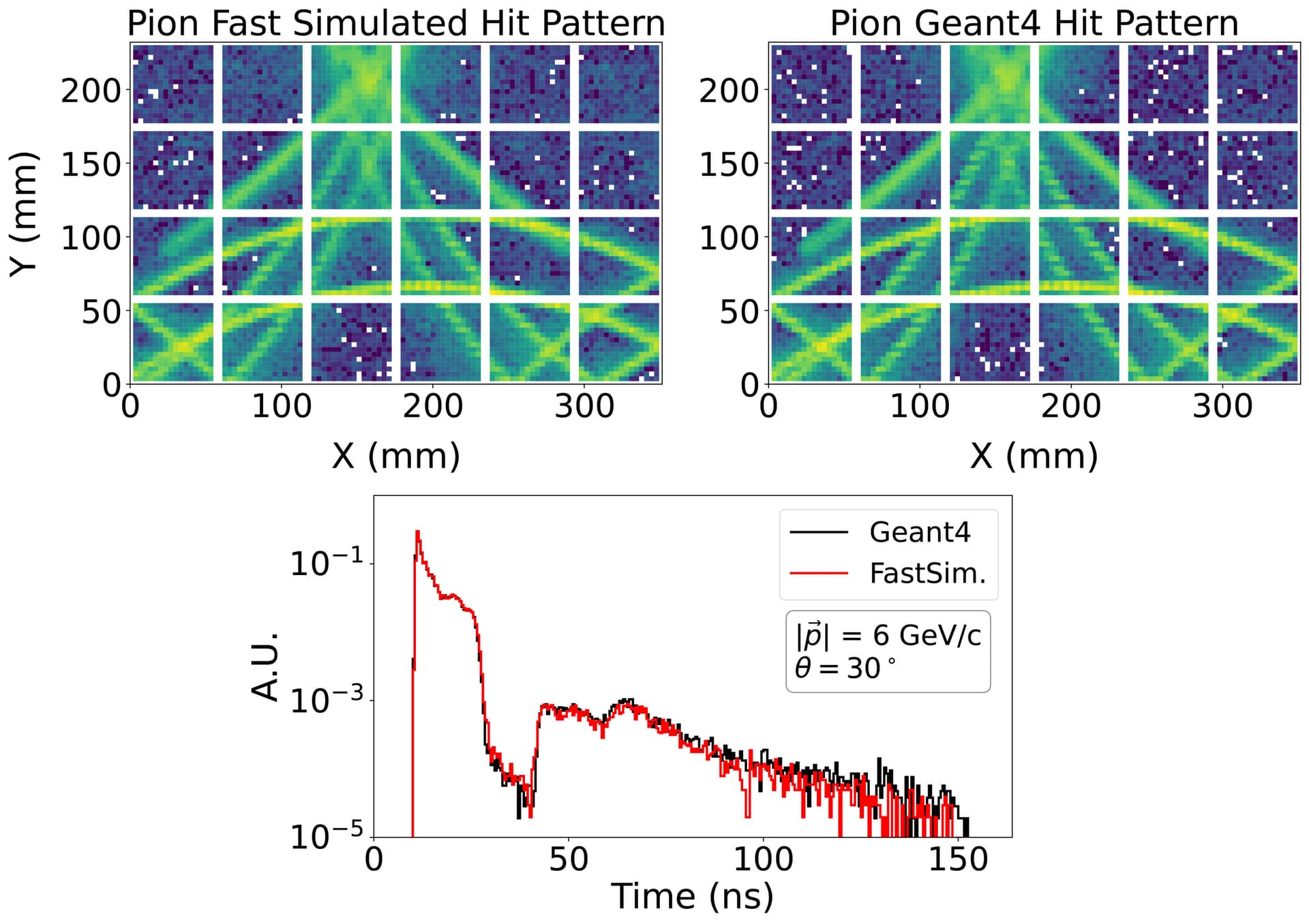
What makes the AI useful is not hype, but speed and pattern recognition. Jefferson Lab, working with Lawrence Berkeley National Laboratory and Stony Brook University, has developed generative-AI methods that can simulate particle collisions, perform simulation-based inference and classify events with unprecedented accuracy. The lab says those methods deliver several orders of magnitude improvement over earlier single-task AI models. In practical terms, that means faster detector studies, faster comparison of design options, and a better shot at understanding which collision patterns matter before the hardware is locked in.
That is the decision-making role AI is taking on inside the project. The collaboration is using simulation tools to reproduce hit patterns that detectors have to interpret, helping engineers optimize the detector design before construction is final and, later, helping operations teams prioritize data in real time. The algorithms are not replacing the physics goals of the machine; they are narrowing the options fast enough for physicists to make smarter calls on the detector layout and reconstruction strategy.
The scale of the effort is just as important as the software. The ePIC Collaboration was formed to design, build and operate the first experiment at the EIC, and it now spans Brookhaven, Jefferson Lab and more than 300 institutions worldwide. Tanja Horn of The Catholic University of America, who co-chairs the AI4EIC working group, said a wide range of AI tools were arriving at exactly the right moment for the facility. The working group’s mission is to connect the project to the data science community and to evolving AI and machine learning tools.
The EIC is also arriving as Brookhaven turns the page from RHIC. The Relativistic Heavy Ion Collider ran from 2000 to 2026, ended its operational era at a capstone collision event on February 6, 2026, and Brookhaven began work on April 13, 2026 to remove RHIC components and convert the machine into the EIC. DOE also approved Critical Decision 3B for the collider on February 6, 2026, authorizing the second phase of federally funded long-lead procurements. The machine that will map matter at the smallest scales is already being built with software that can see the patterns before a human eye ever can.
This article was produced by Prism’s automated news system from verified source data, official records, and press releases, then run through automated quality and moderation checks before publishing. The system is built and supervised by the people who set the standards it runs under. Read our full AI policy.
Did this article answer your question?