Antares microreactor reaches criticality in DOE pilot program first
Antares’ Mark-0 just became the first reactor to go critical under DOE’s pilot program, a real physics checkpoint for a microreactor line built for deployment.
_46816.jpg&w=1920&q=75)
A microreactor test that never made a kilowatt still cleared the hardest early hurdle: Antares Nuclear’s Mark-0 went critical at Idaho National Laboratory, proving the core can sustain a controlled fission chain reaction under DOE authorization.
That matters because criticality is not ceremony. It is the point where reactor physics stops being a drawing, a fuel specification, or a licensing package and becomes an operating core. DOE said the June 4 zero-power fueled demonstration was the first time a privately developed non-light-water reactor had reached criticality in the United States in more than four decades, and the first reactor to do so under the Reactor Pilot Program.
The program itself was built to move faster than the old path. DOE announced it on June 18, 2025, selected 11 advanced reactor projects on August 12, 2025, and set a goal of helping at least three test reactors reach criticality by July 4, 2026. Mark-0 was the first to get there. DOE also said the effort is meant to expedite testing of advanced designs and fast-track commercial licensing, which is the real prize for companies trying to move from presentations to plant hardware.

Mark-0 is not the commercial machine Antares wants to sell. DOE and INL documents describe it as a small, high-temperature heat-pipe reactor configured for zero-power criticality testing, with no power conversion or heat-removal systems. It sits below grade in a pit at the Sodium Components Maintenance Shop, building MFC-793, in the Materials and Fuels Complex at Idaho National Laboratory, and DOE said it is the 53rd reactor built at the site since 1951.
The fuel choice is part of what makes the result useful. Mark-0 uses HALEU TRISO fuel, and the DOE project description says that fuel will be retained in storage after the Mark-0 campaign, with Antares planning to reuse the same fuel for Mark-1 in 2027. Antares said it signed a long-term HALEU supply agreement with Urenco on April 6, 2026, and got DOE approval for the Mark-0 Preliminary Documented Safety Analysis on January 26, 2026.
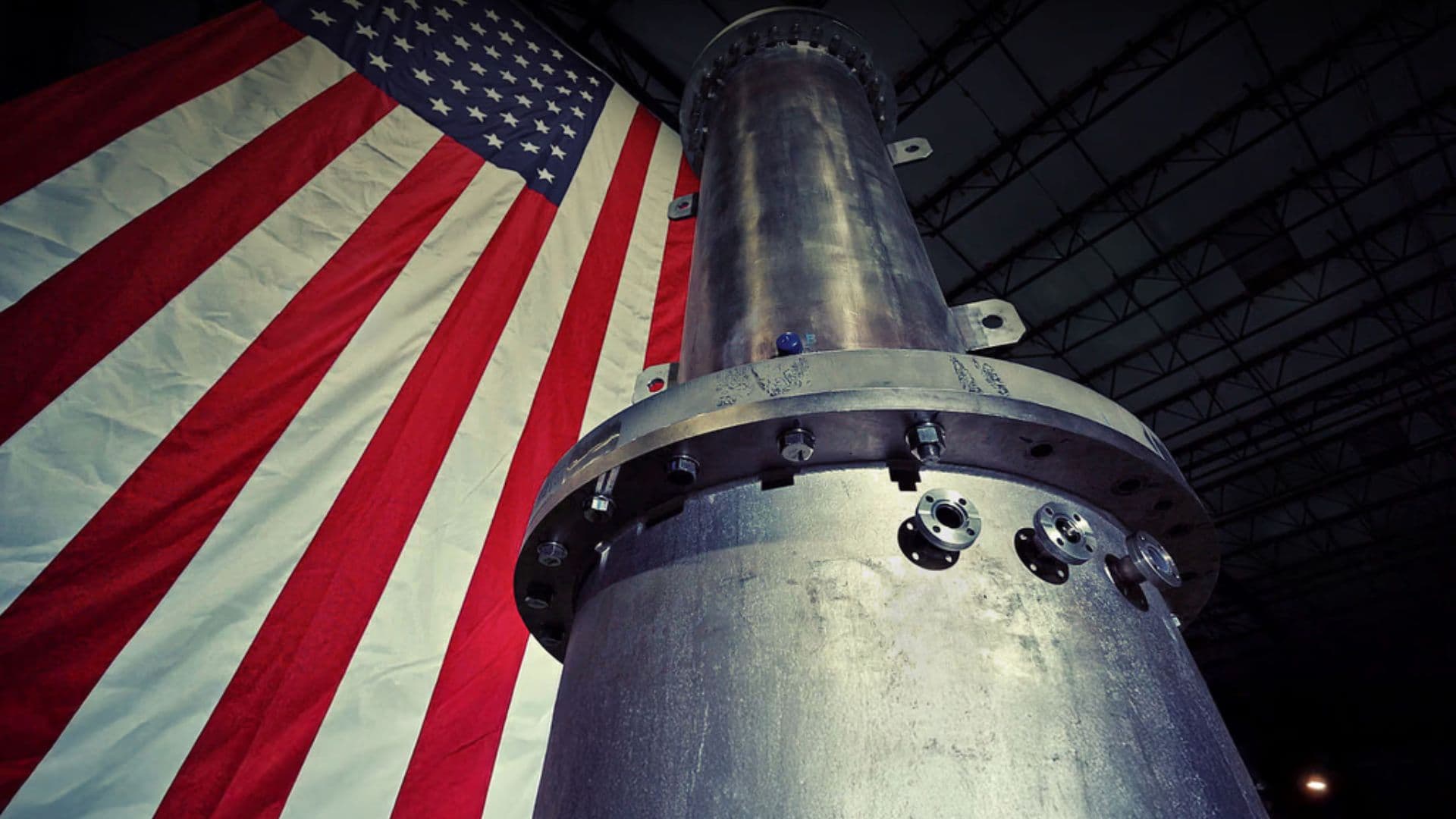
The test was run with DOE, Idaho National Laboratory, and BWX Technologies, with integration and observation support from the U.S. Army. That makes the result bigger than a lab exercise. It feeds back into Project Pele and into Antares’ own plans, including a proposed deployment at Joint Base San Antonio under the Department of the Air Force’s ANPI initiative. Antares says Mark-0 is the forerunner to its flagship R1 design, a 1.5 MWth, graphite-moderated, sodium heat pipe-cooled factory-fabricated microreactor, with electricity targeted for 2027 and military power delivery in 2028. For a field that has lived on slides for years, Mark-0 just made the path to a real machine look a lot less hypothetical.
This article was produced by Prism’s automated news system from verified source data, official records, and press releases, then run through automated quality and moderation checks before publishing. The system is built and supervised by the people who set the standards it runs under. Read our full AI policy.
Did this article answer your question?