ATLAS ends LHC Run 3, prepares for high-luminosity upgrade in 2030
Run 3 is over, and ATLAS is rebuilding for a machine that will see about 200 pileups per crossing and demand a new silicon tracker, timing layer, and trigger chain.
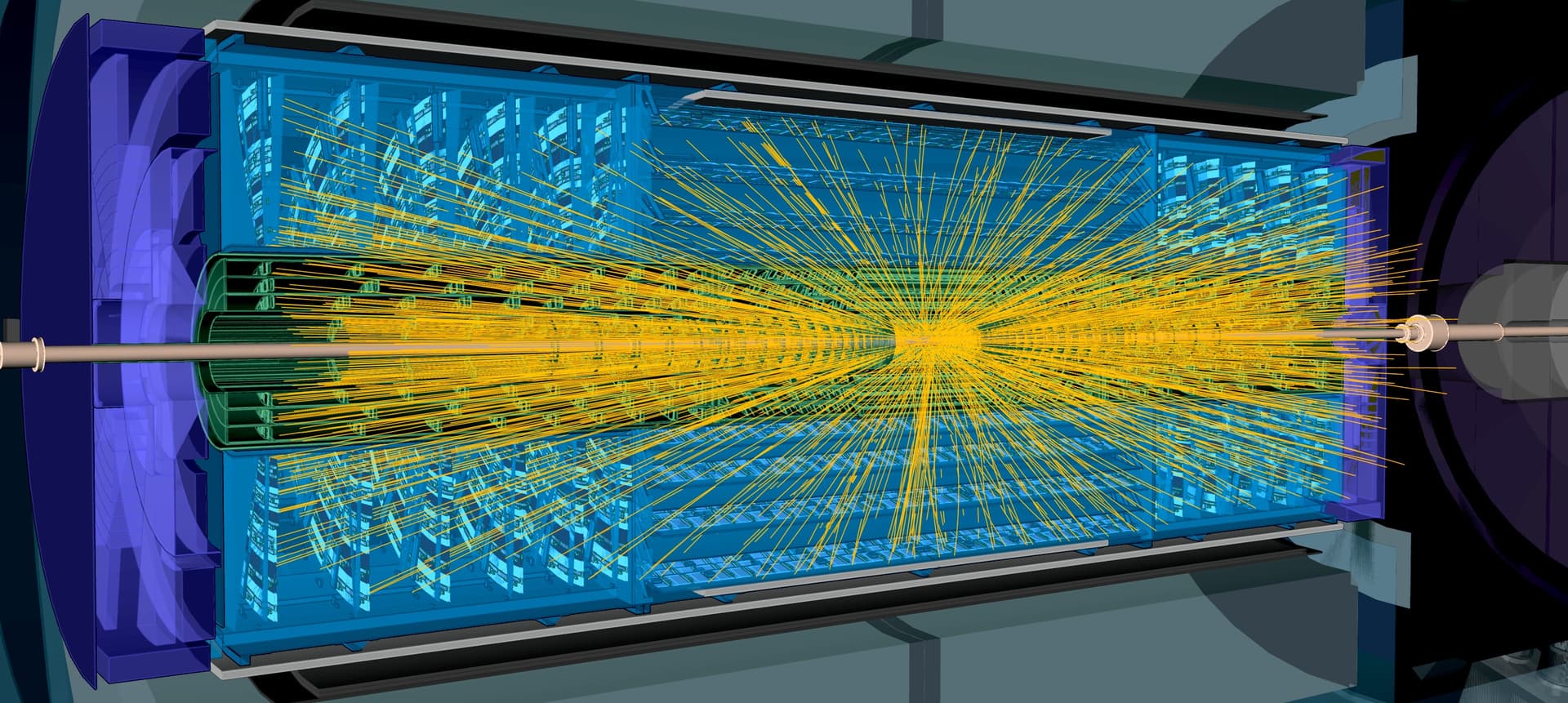
ATLAS has shut down LHC Run 3 and moved into the long rebuild that will carry the detector to the High-Luminosity LHC around 2030. The collaboration said on June 29 that Run 3 ended on June 27, and the real work now shifts from taking data to making sure ATLAS can survive a much harsher collision environment without losing the measurements that matter.
In the HL-LHC era, ATLAS expects up to about 200 simultaneous inelastic proton-proton collisions every time the beams cross, a pileup level that turns event reconstruction into a sorting problem as much as a physics problem. CERN’s goal for the upgrade is to raise the machine’s integrated luminosity by a factor of 10 beyond the LHC’s original design value, and the full program could deliver roughly 3,000 fb1 by 2041, including about 520 fb1 already recorded during LHC Runs 1 through 3.
ATLAS redesigned the front end of the detector. The new Inner Tracker will be entirely silicon-based, spread across 178 square metres and built around more than 5 billion readout channels. A High-Granularity Timing Detector using Low-Gain Avalanche Detectors is being added to separate overlapping collisions with 30-to-50-picosecond time resolution, the kind of timing that helps disentangle which vertex belongs to which interaction when the event record is packed wall to wall.

The trigger and data path are being rebuilt too, because the old chain will not keep up. ATLAS expects programmable hardware to take events at up to 1 MHz before a GPU-accelerated computing farm trims that stream to about 10 kHz for detailed analysis. Software and detector upgrades are aimed in part at reaching roughly 1% precision in the integrated luminosity measurement.
Long Shutdown 3 runs from 2026 to 2030, with more than one kilometre of the machine to be replaced and new equipment needed to squeeze the beams just before they collide at ATLAS and CMS. ATLAS also points back to the 2012 Higgs discovery.
This article was produced by Prism’s automated news system from verified source data, official records, and press releases, then run through automated quality and moderation checks before publishing. The system is built and supervised by the people who set the standards it runs under. Read our full AI policy.
Did this article answer your question?


