China begins key flushing tests at Changjiang unit 4 reactor
Changjiang unit 4 has entered loop flushing, moving the Hualong One reactor from construction into the systems-checking phase before cold and hot tests, fuel loading and startup.
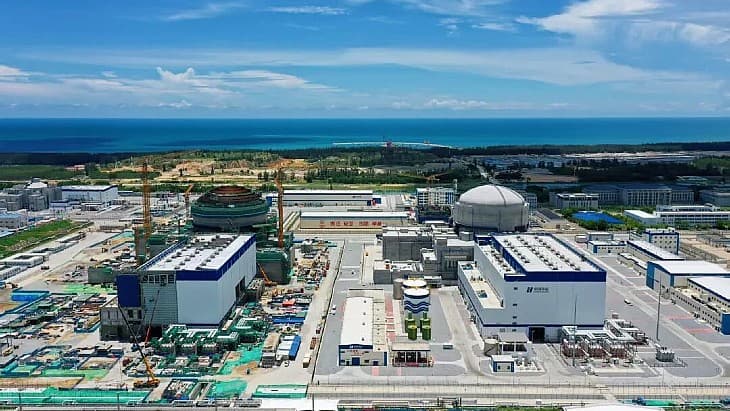
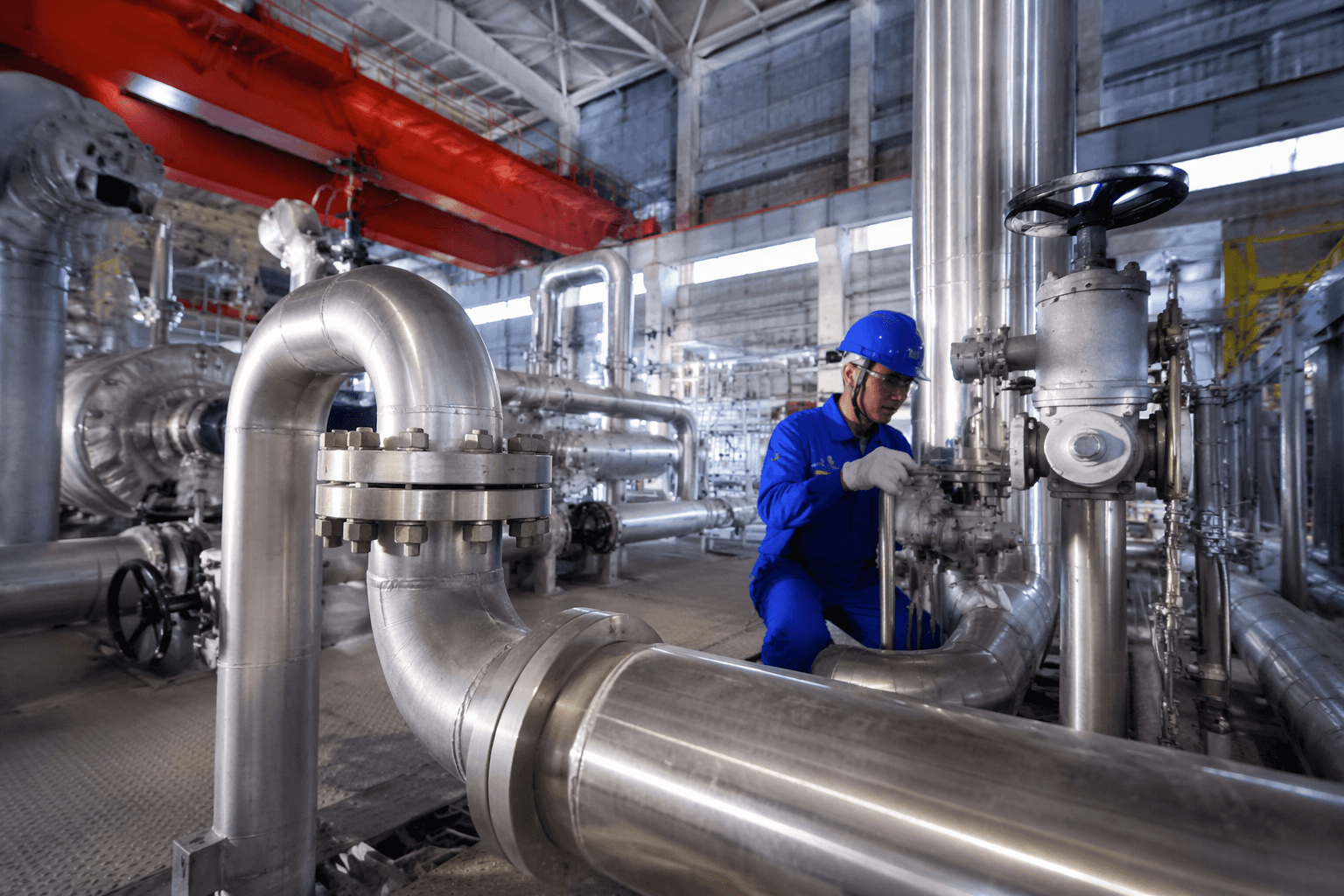
Changjiang unit 4 has reached loop flushing, the kind of pre-commissioning milestone that tells you a reactor is finally starting to look like a plant instead of a building site. At this stage, technicians run demineralised water through the primary circuit to confirm piping and safety systems were installed correctly and to wash out impurities before the next round of tests.
That puts unit 4 squarely on the road to startup, but still several steps behind the finish line. After flushing comes reactor assembly completion, then cold and hot functional tests, then fuel loading and the final commissioning push toward grid connection. For Changjiang, that matters because unit 3 is already ahead in the sequence: fuel loading there began on May 1, 2026 and was later reported completed ahead of startup.
Changjiang phase II, which covers units 3 and 4 on Hainan Island, uses China’s domestic Hualong One design, also known as HPR1000. The two-unit expansion has been described as a CNY40 billion project, with China Huaneng Group holding 51% and China National Nuclear Corporation holding 49%, and the construction period set at 60 months. First concrete for unit 3 was poured on March 31, 2021, while unit 4 followed in December 2021.
The build has moved deep into the commissioning endgame. On April 13, 2026, the outer steel dome for unit 4 was installed using a 4,000-tonne crawler crane. The dome measured 52 metres across, stood 12 metres high and weighed about 415 tonnes, a heavy piece of work that marked another visible step toward reactor completion.
Changjiang already has two older CNP-600 reactors in long-term safe and stable operation, and the site is also home to CNNC’s ACP100 small modular reactor demonstration project. That separate SMR unit passed its non-nuclear turbine test run on the first attempt on December 23, 2025, underlining how busy the site has become as a multi-reactor nuclear hub.
For China’s Hualong One fleet, the latest flushing work at unit 4 is more than a housekeeping job. It is the point where a major PWR build stops being mostly concrete and steel and starts being measured by what the piping, circuits and systems can actually do.
This article was produced by Prism’s automated news system from verified source data, official records, and press releases, then run through automated quality and moderation checks before publishing. The system is built and supervised by the people who set the standards it runs under. Read our full AI policy.
Did this article answer your question?


