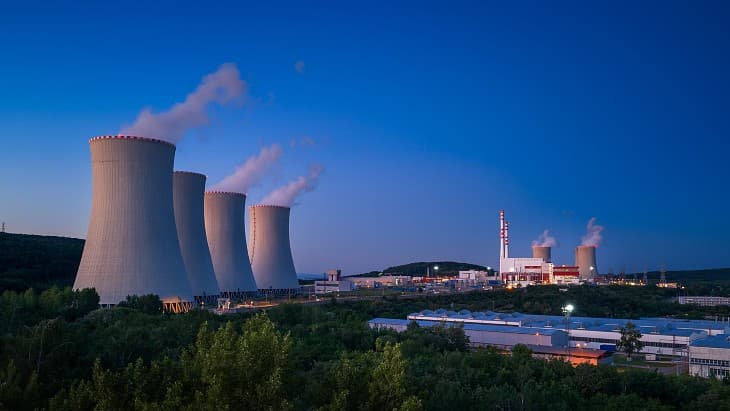
Denison starts construction at Phoenix uranium mine in Saskatchewan
Bulldozers are finally on site at Phoenix, turning Denison’s paperwork-heavy uranium project into early works that could tighten future fuel supply.
_15348.jpg&w=1920&q=75)
The first real sign of Phoenix was not a slide deck or a filing cabinet. It was a ceremonial groundbreaking, with Denison Mines and Indigenous and local community partners marking the start of site preparation and early works construction at the Phoenix in-situ recovery uranium mine in Saskatchewan.
That matters because Phoenix has been moving through the part of a nuclear project that usually decides whether anything ever gets built: approvals, permits and investment signoff. Denison’s board made its final investment decision on February 24, 2026, after the company received final regulatory approval from the Canadian Nuclear Safety Commission on February 19. Denison had already said construction and site preparation were planned to begin in March 2026, and the project’s start of site preparation was later announced in its first-quarter 2026 results and related releases.
Phoenix is not being developed as a conventional open pit or underground mine. It is an in-situ recovery project, designed to extract uranium by circulating fluids through the ore body instead of digging a large excavation. For Canada’s uranium sector, that is a notable shift, and Denison says Phoenix would be the country’s first ISR uranium mine if it reaches operation.
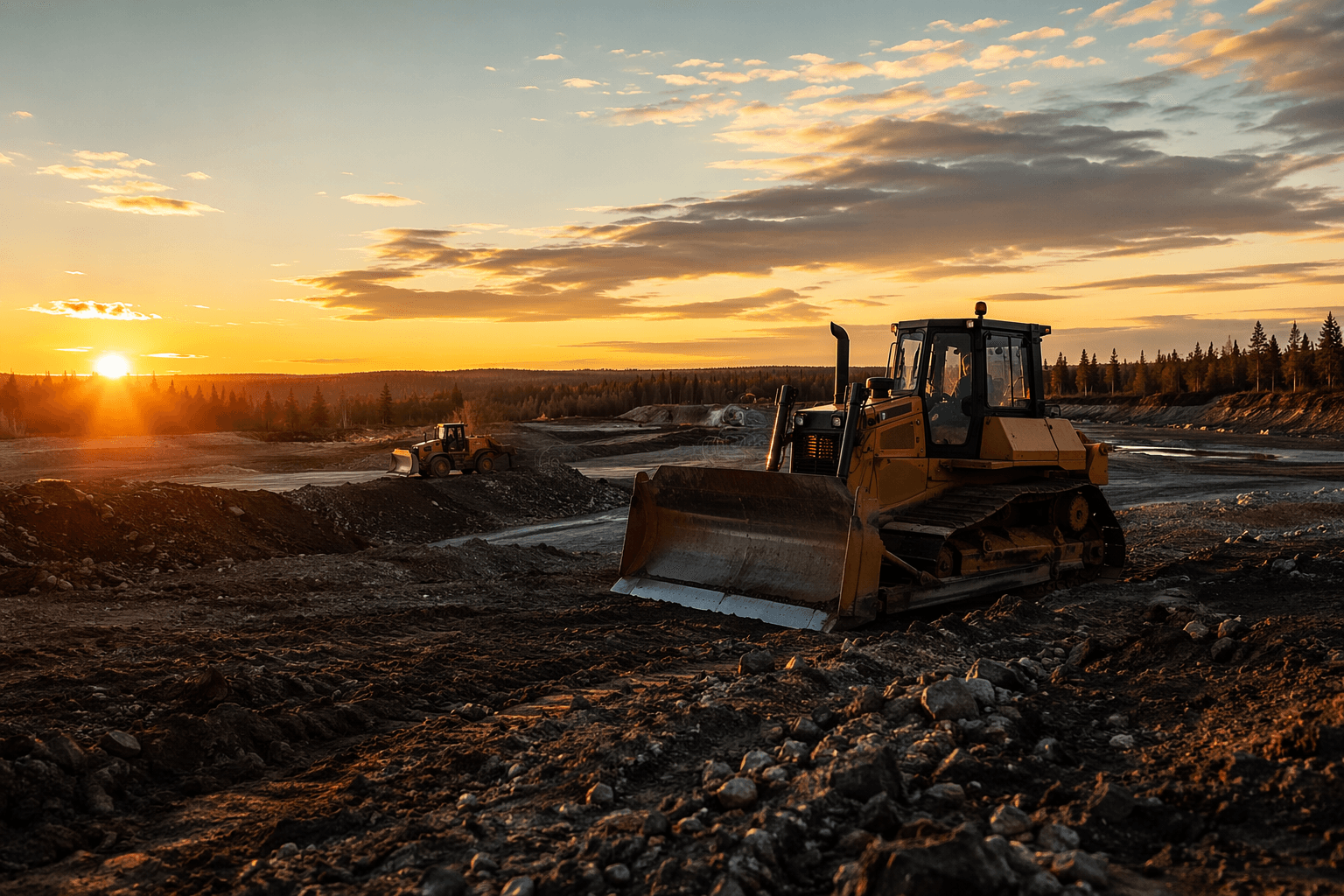
The regulatory base is in place. The Canadian Nuclear Safety Commission says it issued a licence for the Wheeler River Project, which is located in the Athabasca Basin in Saskatchewan, about 600 kilometres north of Saskatoon. The licence runs until February 28, 2031. Before construction could begin, Denison said it had secured provincial and federal environmental assessment approvals and a Saskatchewan Ministry of Environment permit to construct a pollutant control facility.
Phoenix sits inside Wheeler River, which also includes the Gryphon deposit. Denison describes Wheeler River as the largest undeveloped uranium project in the eastern portion of the Athabasca Basin, and that scale is part of why this site-prep milestone carries weight. The project is no longer just an asset on paper. It is moving into physical works, with actual ground being turned.
The community piece is just as important as the engineering. Denison’s grounding ceremony with Indigenous and local partners shows how much these projects now depend on social licence as well as technical readiness. If Phoenix advances as planned, the early works on the ground will do more than clear a site in northern Saskatchewan. They will show that a long-delayed uranium supply project is finally edging toward the fuel cycle operators keep saying they need.
This article was produced by Prism’s automated news system from verified source data, official records, and press releases, then run through automated quality and moderation checks before publishing. The system is built and supervised by the people who set the standards it runs under. Read our full AI policy.
Did this article answer your question?