DOE and NIST turn legacy radium waste into cancer therapy feedstock
DOE and NIST pulled radium-226 out of old radiological waste and recast it as feedstock for cancer therapy. The move could tighten a domestic isotope supply chain that has been hard to secure.
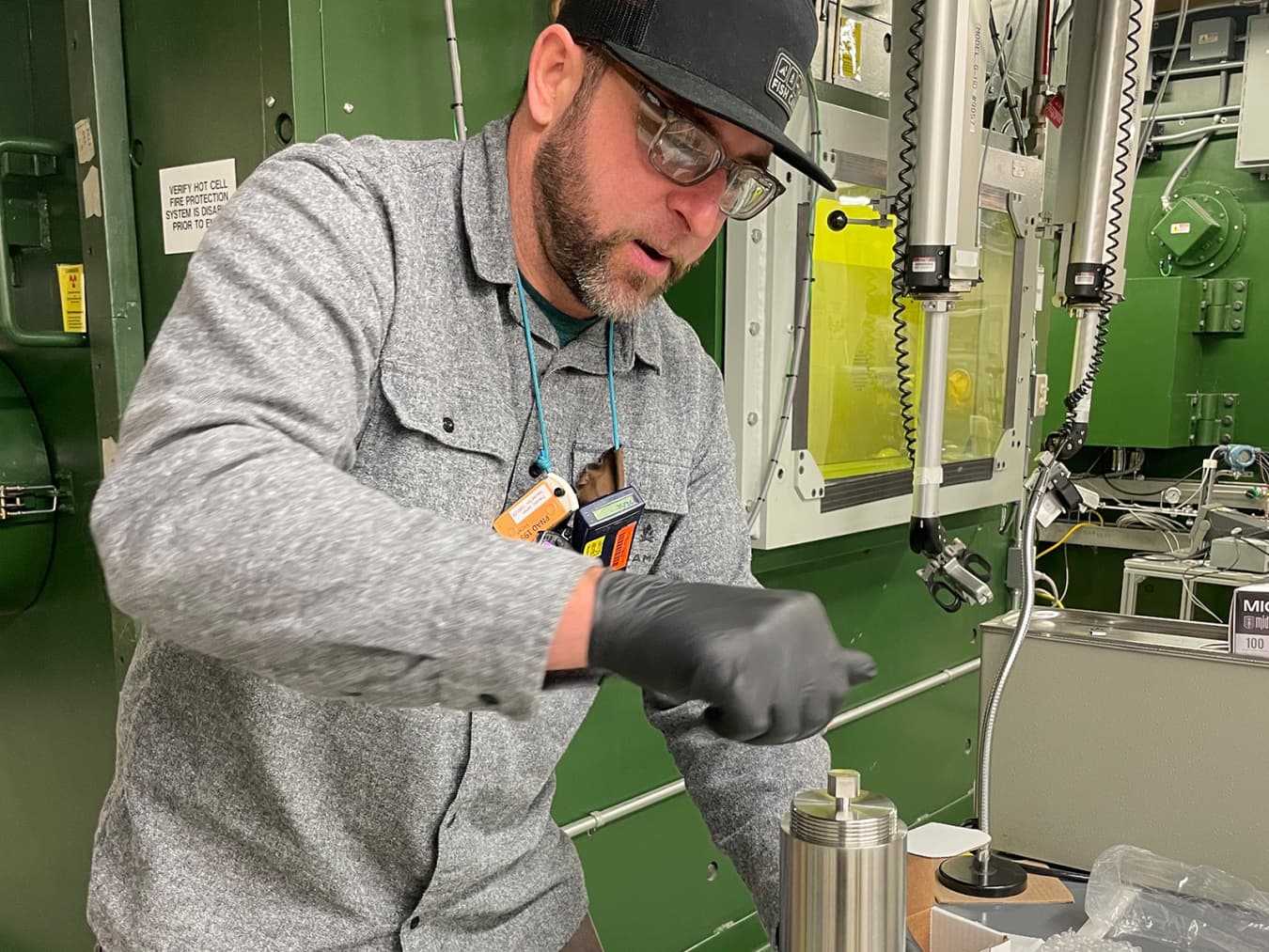
Legacy radium waste is getting a second life as medicine feedstock. On May 19, the Department of Energy’s Office of Isotope R&D and Production and the Department of Commerce’s National Institute of Standards and Technology announced a project to recover radium-226 from obsolete materials that had been stored as radiological waste at NIST facilities.
The point is not just cleanup. The recovered Ra-226 is being treated as input for medical radioisotope production, with the goal of strengthening the domestic supply chain for cancer therapies. Christopher Landers, director of the DOE isotope program, said repurposing the waste is “key to strengthening a secure, resilient domestic medical isotope supply chain.”
That matters because radium-226 sits in a very different place in medicine than it once did. It was a foundational material in brachytherapy, when radioactive sources were placed close to tumors to deliver localized dose. Modern cancer care has moved toward safer and more precise approaches, but the material still has value when it can be processed into isotope feedstock instead of left idle in storage. In this case, old radiological inventory is being converted from a long-term liability into something that can support current cancer treatment.
The handling work is also part of the story. Pacific Northwest National Laboratory is involved in the transport and preparation side, including the choreographed preparation of special form capsules and secure cask transfer. That kind of controlled movement is the difference between inert legacy stock and material that can re-enter a medical pipeline with less risk to workers and less uncertainty for future storage.

The broader appeal of the project is straightforward: the United States needs reliable access to isotopes for medicine, research, and industrial uses, and recovery from existing materials can move faster than waiting for entirely new production routes. It also trims the burden of keeping unused radioactive material boxed up indefinitely, reducing both long-term storage hazards and the exposure risks that come with maintaining old waste forever.
For nuclear materials people, this is the kind of conversion story that lands hard. A radionuclide once written off as waste is being reclaimed, packaged, and moved with purpose, not because the material changed, but because the use case did. That is the real unlock here: legacy radium is no longer just something to guard. It is becoming something medicine can use.
This article was produced by Prism’s automated news system from verified source data, official records, and press releases, then run through automated quality and moderation checks before publishing. The system is built and supervised by the people who set the standards it runs under. Read our full AI policy.
Did this article answer your question?


