Duane Arnold restart gains local support as energy demand surges
Duane Arnold’s restart case shows that a shut plant can regain civic value when demand spikes, but only if local consent, cleanup duties, and regulators all line up.
A shutdown site is back in the energy conversation
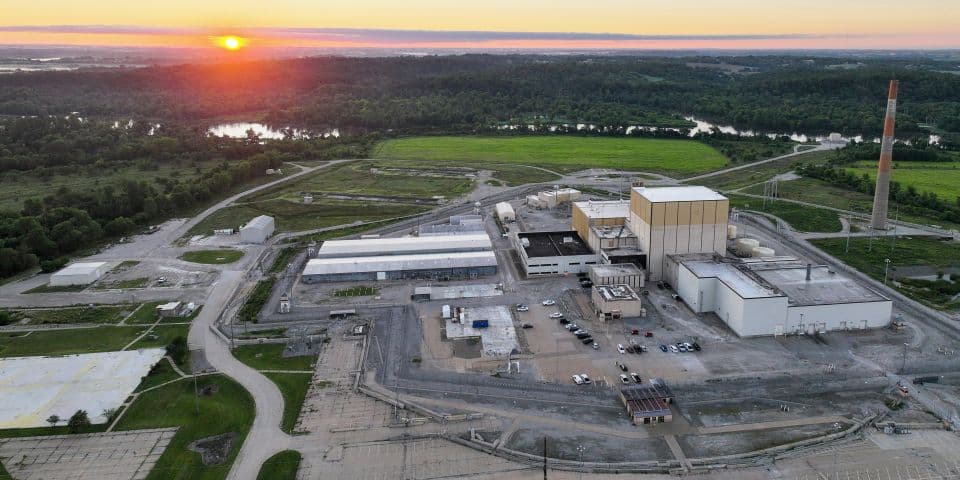
Duane Arnold is no longer just a decommissioning project on the Cedar River. As electricity demand tightens across the country, the plant in Linn County has become a test case for whether a “retired” nuclear station can be reconsidered when the grid needs reliable carbon-free power again.
That shift is not happening in the abstract. It is happening in Palo, in Linn County zoning hearings, in NRC paperwork, and in the local memory of a plant that ran for 45 years before the 2020 derecho changed the story.
From planned closure to forced urgency
Duane Arnold was Iowa’s only nuclear power plant, a roughly 600- to 615-megawatt single-unit boiling water reactor that had served the region for decades. NextEra certified to the NRC that the unit permanently ceased power operations on August 10, 2020, and later certified on October 12, 2020, that fuel had been permanently removed from the reactor vessel and placed in the spent fuel pool. The plant had originally been scheduled to shut down on October 30, 2020, but the August 2020 derecho accelerated the timeline after winds approaching 140 mph damaged the cooling towers.
That detail matters because it explains why the restart discussion feels so loaded locally. This was not a plant that simply aged out of relevance. It was a plant that moved from operating asset to cleanup site under severe weather pressure, then re-entered the civic imagination when energy markets changed.
Why the restart pitch has legs now
The national backdrop has shifted hard in just a few years. Data centers, artificial intelligence infrastructure, advanced manufacturing, and electrification are pushing utilities and policymakers back toward dependable baseload generation, especially power that does not bring carbon baggage with it.
That is the basic reason Duane Arnold is back on the table. What looked like a clean shutdown now looks, at least in local terms, like a potentially valuable asset that should be reconsidered. The argument is not that every retired reactor should restart. It is that a site with existing transmission, an established nuclear workforce history, and a strategic location can look very different when load growth stops being theoretical.
For this story, the important point is not ideology. It is utility math. When demand rises fast enough, a former cleanup site can suddenly start looking like a deferred resource.
Who gets to say yes again
The politics of restart are much more local than the national nuclear debate usually sounds. Linn County has already approved the rezoning needed to support recommissioning and restart, and the Board of Supervisors unanimously backed the application for the 393-acre site near Palo. The land was changed from agricultural zoning to Exclusive Use-2, or EU-2, for nuclear generation and on-site spent-fuel storage.
That is a major signal, but it is not a green light. County officials have said the project still needs multiple state and federal approvals, including from the NRC, before any restart can happen. In other words, the real question is not whether there is abstract support for nuclear power. It is who in the local and regulatory chain gets to say yes again after a site has already been shut down, defueled, and placed into decommissioning.
That is where community memory becomes political force. A shutdown plant is not just a technical facility anymore. It is a former employer, a tax base issue, a land-use issue, and in this case the only nuclear reference point in the state.
The responsibilities do not disappear just because demand rises
Restart talk only works if people keep the decommissioning obligations in view. Duane Arnold entered a long cleanup process, and NextEra’s own decommissioning materials say the overall process was expected to be complete by 2080. That timeline is a reminder that decommissioning is not a pause button. It is a long, managed responsibility that continues even when market conditions improve.
The NRC has already created a Duane Arnold Energy Center Restart Panel to handle inspection and licensing activities if the plant returns to commercial operation. NRC documents say NextEra notified the agency on January 23, 2025, that it intended to submit licensing applications and requested an exemption from 10 CFR 50.82(a)(2). That is the regulatory machinery behind the political discussion, and it shows just how unusual a restart from decommissioning really is.
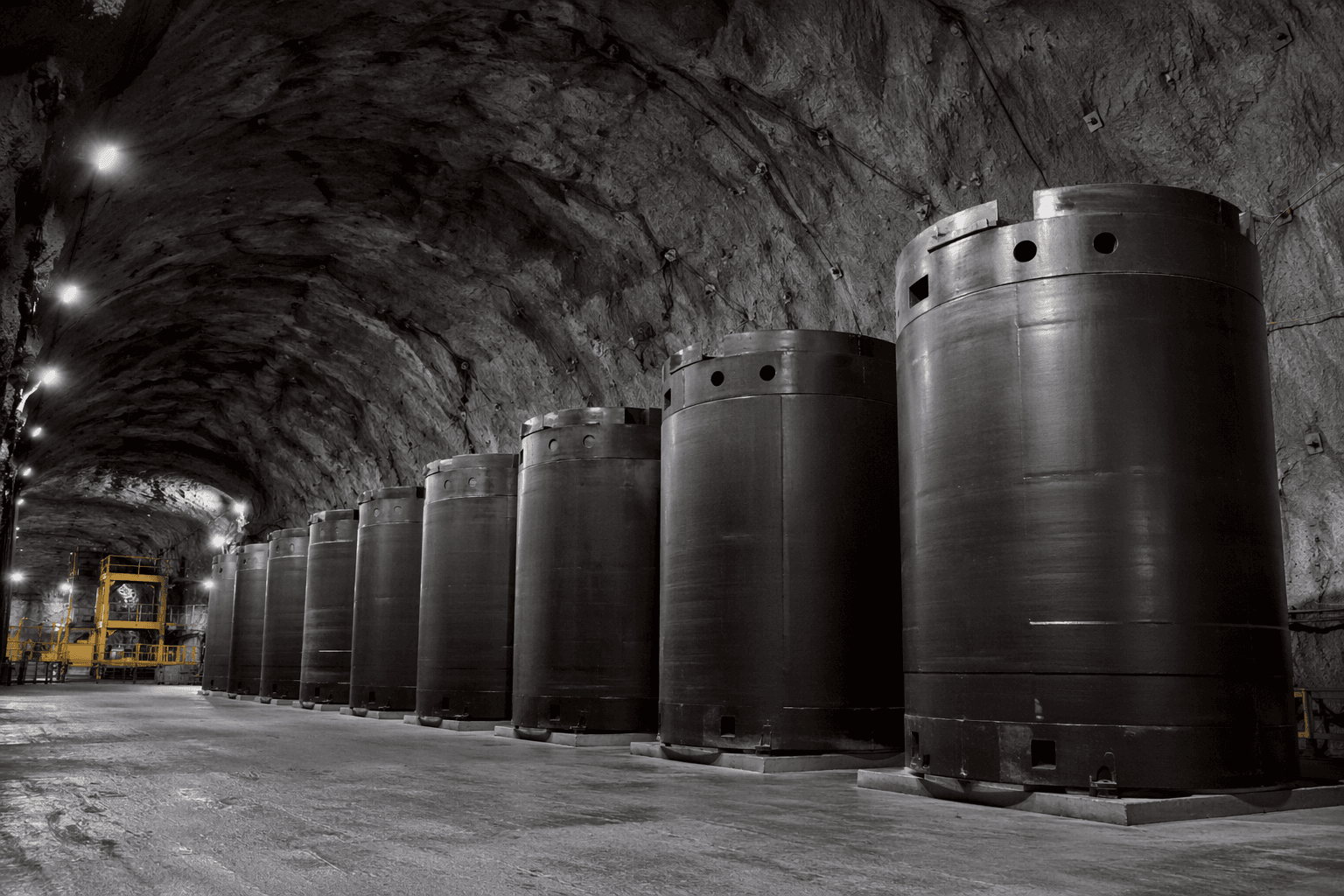
The spent fuel issue also stays central. Linn County’s rezoning explicitly covers on-site spent-fuel storage, which underlines that any restart conversation has to deal with both generation and the long tail of nuclear responsibility.
The commercial stakes are bigger than one plant
Ownership structure matters here because Duane Arnold is not controlled by a single actor. NextEra owns about 70% of the plant, while Central Iowa Power Cooperative owns 20% and Corn Belt Power Cooperative owns 10%. That makes the restart discussion a regional business decision as much as a state policy issue.
In October 2025, NextEra and Google announced a collaboration centered on restarting Duane Arnold, with the plant targeted to be fully operational in the first quarter of 2029. That announcement tied the project directly to growing AI-related electricity demand and said the restart could create about 400 direct full-time jobs and more than $9 billion in economic benefits for Iowa.
The commercial backdrop is just as important as the new demand story. Earlier reporting said the plant had been slated to close because of economic conditions, including the loss of its main customer after Alliant Energy paid $110 million in 2018 to exit its power purchase agreement early. That old PPA exit is a good reminder that nuclear plants do not disappear because of physics alone. They disappear when the economics stop working, and they come back into view when the economics change again.
What Duane Arnold tells the broader industry
Duane Arnold is becoming a useful case study because it shows how restart politics actually works on the ground. The decisive issues are not only reactor condition or carbon accounting. They are zoning, spent-fuel responsibility, corporate follow-through, and whether the local community is willing to revisit a shutdown decision after the grid has changed around it.
That is why the Linn County vote matters so much. It is not a final answer, but it is a sign that the plant has moved from being treated as a closed chapter to being treated as a strategic option. And that is the real twist in the Duane Arnold story: once a retired reactor has been folded into local memory and then tied back to rising demand, the hardest question is no longer whether nuclear power is useful in theory. It is whether the community is ready to say yes again.
This article was produced by Prism’s automated news system from verified source data, official records, and press releases, then run through automated quality and moderation checks before publishing. The system is built and supervised by the people who set the standards it runs under. Read our full AI policy.
Did this article answer your question?