Europe and Japan gradually restart JT-60SA fusion reactor for 2026 tests
JT-60SA is back in commissioning mode, with Europe and Japan testing systems before a six-month campaign slated for late 2026 and 2027.
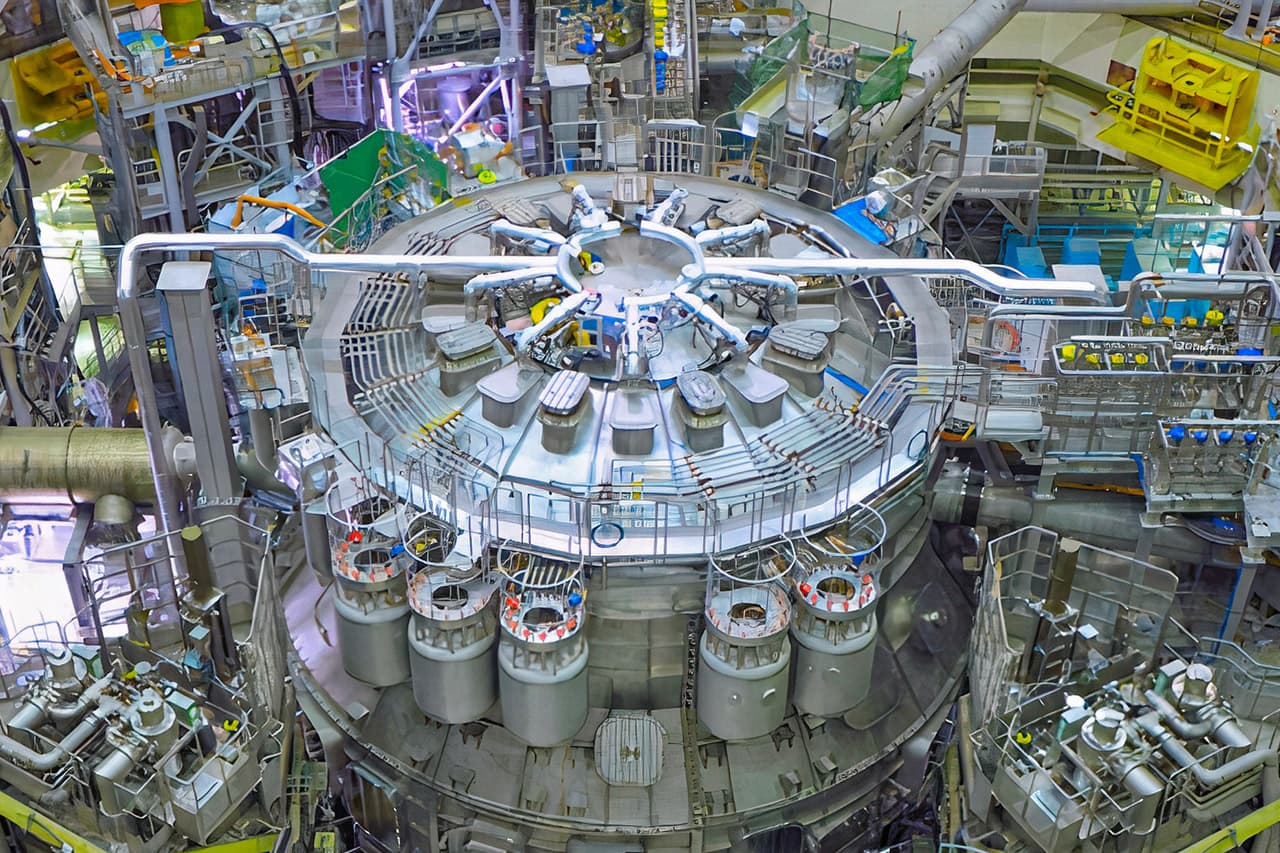
JT-60SA is not being flipped back on in one dramatic move. Europe and Japan have started a gradual restart of the giant tokamak in Naka, north of Tokyo, a commissioning sequence meant to prove that the machine’s upgraded hardware, controls, and heating systems are ready for the next experimental run.
That matters because JT-60SA is not a lab toy. The machine sits six stories high in a hangar and uses a donut-shaped vessel to confine plasma heated to roughly 200 million degrees Celsius. Officials describe it as the world’s largest operating tokamak, with a plasma radius of 3 metres and, in a separate certification, a plasma volume of 160 cubic metres. First plasma came on 23 October 2023, but the machine was then taken down again so teams could install and assemble new components for the next phase.
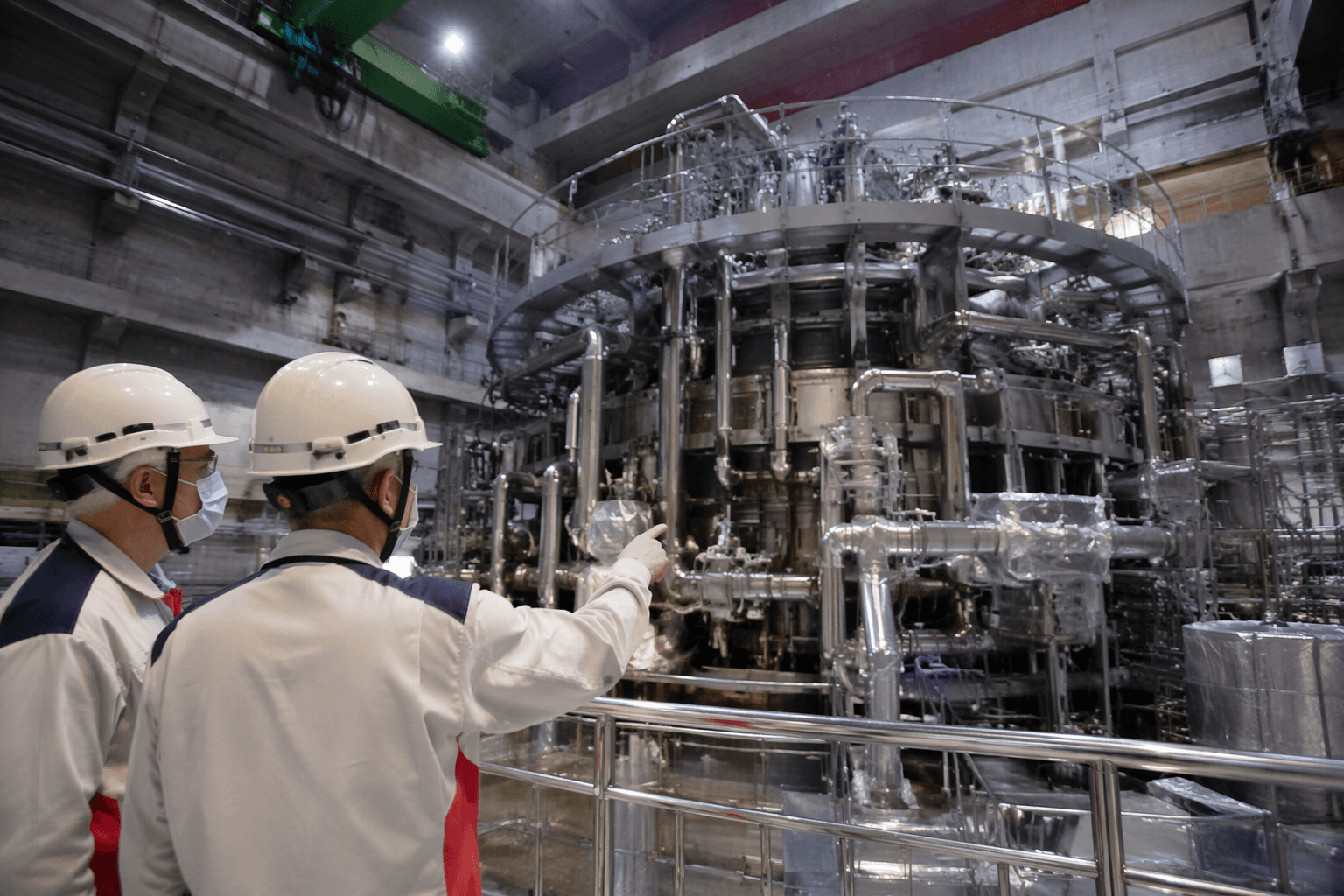
The restart now underway is about proving the upgraded system one layer at a time. In commissioning terms, that means checking the main machine hardware, then bringing up plasma-heating experiments only after the support systems behave as designed. Integrated commissioning for those heating tests began in March 2026, and the next experimental campaign is expected to start at the end of 2026 and run into 2027.
JT-60SA carries more weight than its size alone suggests. It was built under the Broader Approach agreement between Euratom and Japan, which entered into force on 1 June 2007, and it serves as a test bed for plasma physics and advanced fusion technology that can feed directly into ITER in Cadarache, southern France. Fusion for Energy says the device is fully superconducting and can run in 100-second pulses with 40 MW of external heating, a combination that makes reliability as important as raw performance.
The hardware list under review is specific: heating and current drive systems, in-vessel control coils, diagnostics, and plasma-facing components. About 280 European and Japanese scientists are involved in the experiment team, making JT-60SA as much a coordination exercise as an engineering one. The machine’s lineage also runs deep. The original JT-60 program started in 1985, and the upgrade from JT-60U has turned it into the main Japanese-European bridge between today’s experiments and ITER’s much larger operating envelope.
That is why this restart reads as progress on machine reliability, not a fusion breakthrough headline. The important milestone is not power generation, but whether JT-60SA can clear the next sequence cleanly and enter its late-2026 campaign ready to do real experimental work again.
This article was produced by Prism’s automated news system from verified source data, official records, and press releases, then run through automated quality and moderation checks before publishing. The system is built and supervised by the people who set the standards it runs under. Read our full AI policy.
Did this article answer your question?