Experts Warn Nuclear Fusion Cost Projections Overly Optimistic
With $10 billion in private fusion funding riding on rosy cost models, a new Nature Energy analysis of 28 experts finds assumed learning rates are up to 4x too high.
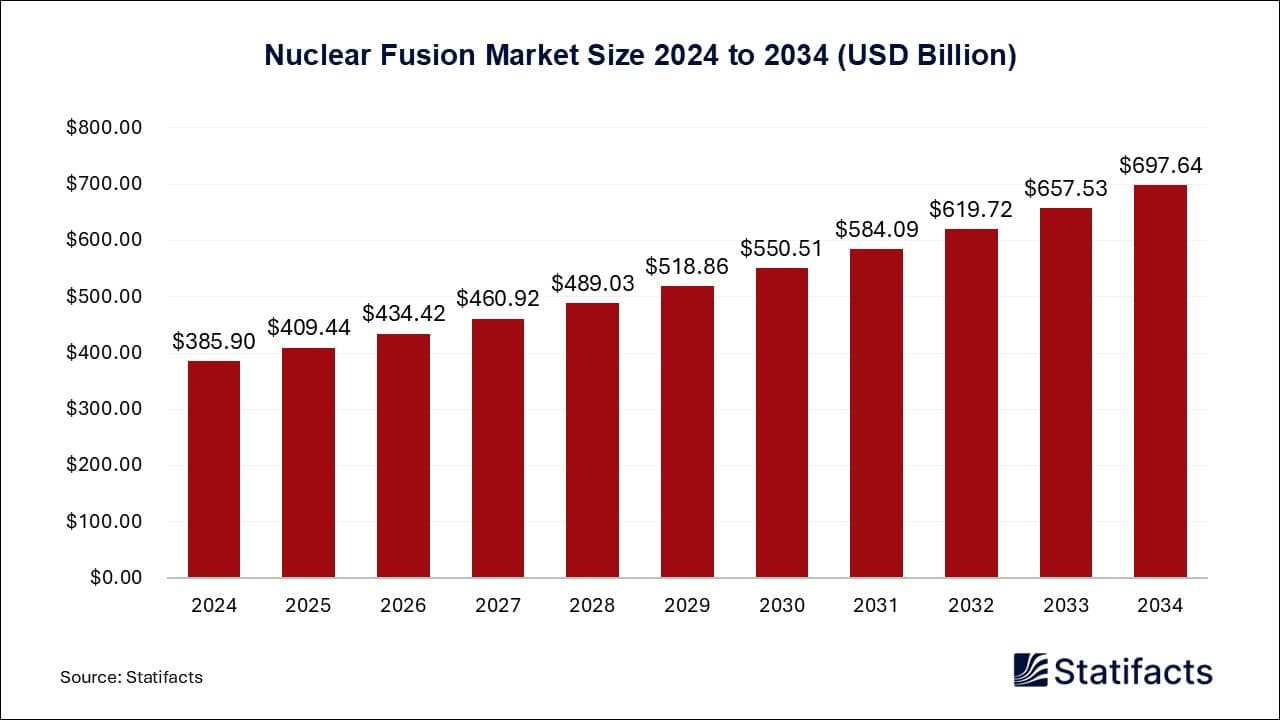
With more than $10 billion in private capital committed to nuclear fusion by late 2025, the gap between investor pitch deck math and physics reality just got a lot harder to ignore. A pair of papers published in Nature Energy by Tobias S. Schmidt and colleagues systematically dismantled the cost reduction assumptions underpinning most fusion power plant business cases, and the numbers are not flattering.
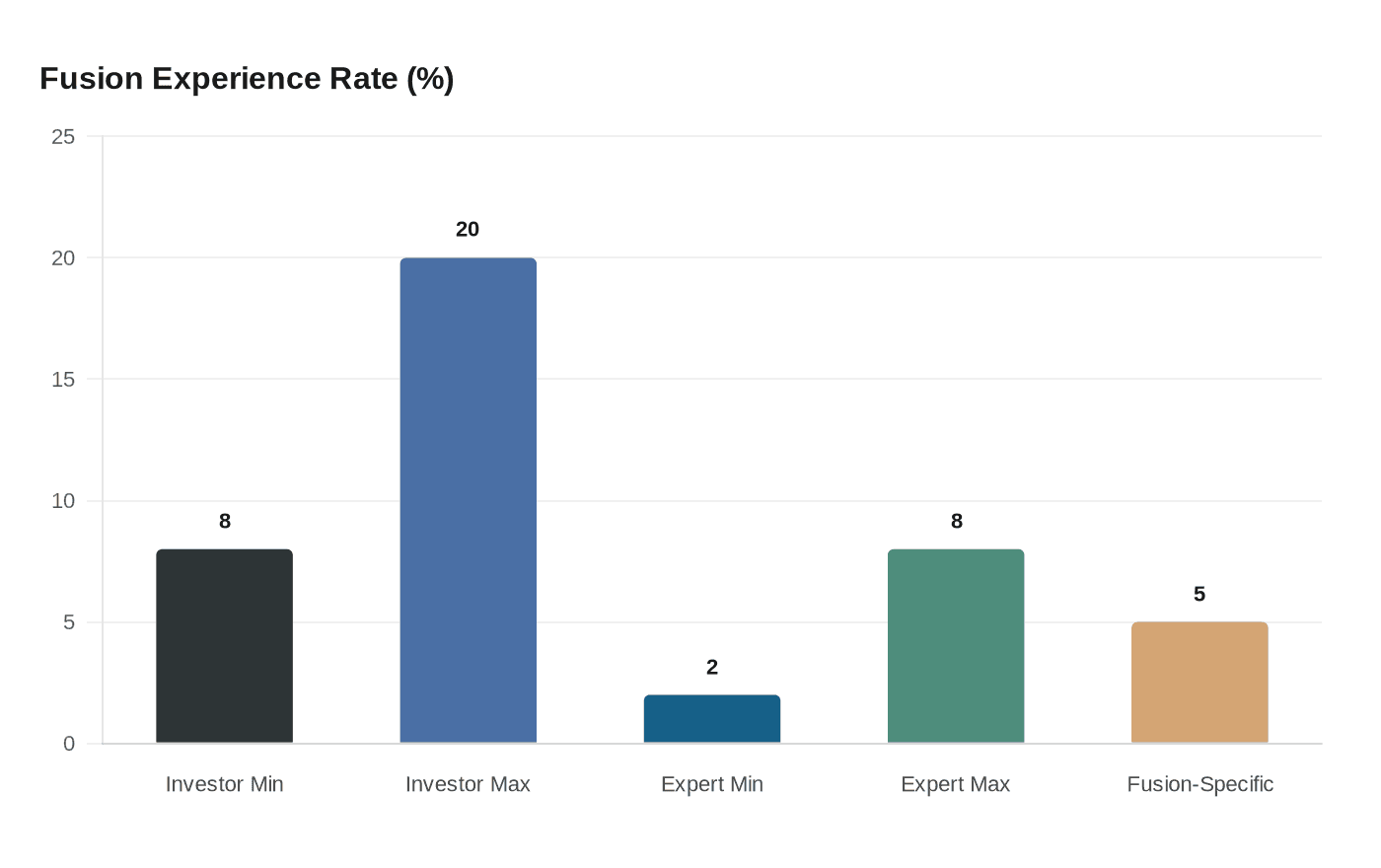
The central problem is the experience rate, the percentage by which costs fall each time cumulative capacity doubles. Fusion investors and developers have been plugging in experience rates of 8 to 20 percent, numbers Schmidt's team calls "highly arbitrary." Interviews with 28 fusion experts from the public and private sectors, spanning both magnetic confinement and laser inertial approaches, pointed to a far more sobering benchmark: 2 to 8 percent, with a justified fusion-specific rate of 5 percent sitting near the midpoint. The difference is not academic. At a 20 percent experience rate, costs collapse quickly enough to clear the competitive bar against wind and solar. At 5 percent, they don't, even across a long buildout horizon.
Three technology-inherent characteristics explain why fusion learns so slowly: large unit size, extraordinary design complexity, and an intermediate but non-trivial need for customization. These same traits, when matched against historical data from analogous technologies, reliably predict low experience rates. The fusion sector's current designs score poorly on all three counts.
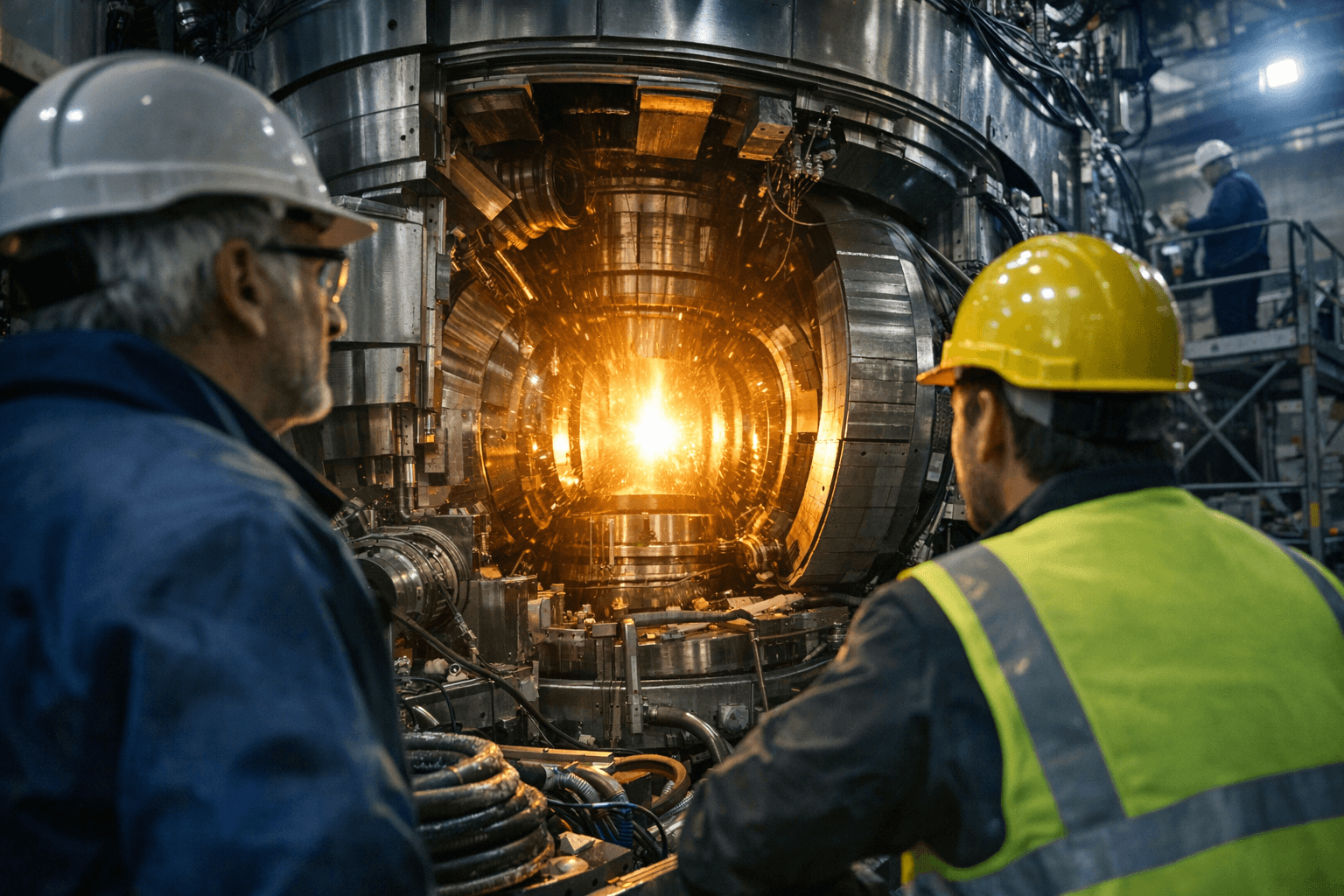
The cost baseline problem compounds this. First-of-a-kind fusion power plant capital cost estimates gathered in the research ranged from $1,400 to $43,000 per kilowatt of capacity, a spread of roughly 30-fold that reflects how much remains unresolved at the engineering level. Fusion-specific heat extraction systems, tritium breeding systems, and structural materials capable of withstanding continuous neutron bombardment are all still undeveloped and untested at commercial scale. These are not refinement problems. They are foundational systems with no proven design, which means the optimistic end of that cost range is, at best, aspirational.
That's the checklist every serious investor should run through before accepting a fusion cost projection. Does the model assume an experience rate above 8 percent? That's a red flag, unsupported by comparable technology histories. Does the starting CAPEX sit near the low end of the known range without a credible engineering basis? Another red flag. Does the pitch treat tritium breeding, plasma-facing materials lifetime, or heat extraction as near-term solved problems? That's the tell that separates promotional material from a defensible financial model.
What would actually shift the calculus? Demonstrated sustained energy gain, meaning a Q greater than one in a relevant device over meaningful time periods, would close the physics uncertainty. Validated component lifetime data for first-wall and blanket materials under realistic neutron flux would directly attack the CAPEX uncertainty. Closed tritium fuel cycle operation, showing that a plant can breed, extract, and re-inject its own tritium at breeding ratios above one, would confirm that the fuel supply model holds. Until those milestones land with reproducible data, any cost projection below $10,000 per kilowatt deserves rigorous scrutiny, and any policy or portfolio built on fusion as a near-term baseload pillar carries more risk than most of its backers are pricing in.
This article was produced by Prism’s automated news system from verified source data, official records, and press releases, then run through automated quality and moderation checks before publishing. The system is built and supervised by the people who set the standards it runs under. Read our full AI policy.
Did this article answer your question?