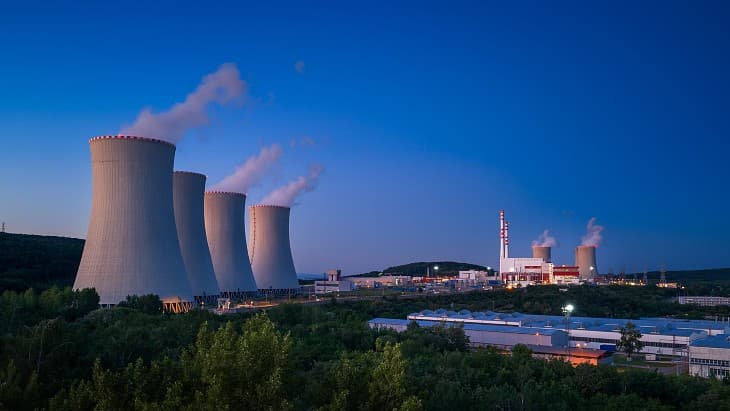
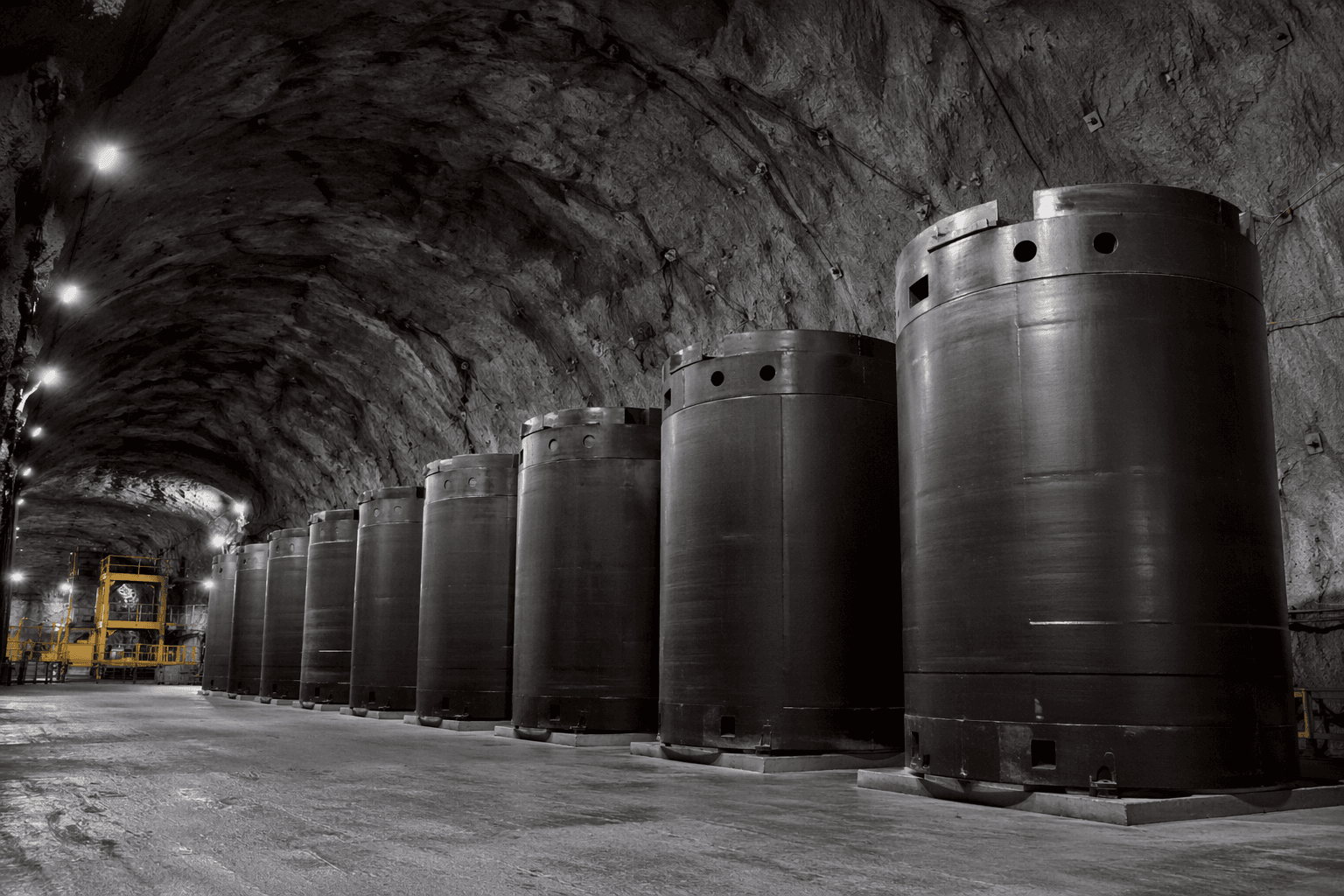
Former plant managers urge Germany to restart nuclear reactors
Former plant chiefs pressed Berlin to revisit the shutdown, calling reactor restarts technically feasible as Germany weighs high power costs and energy security.
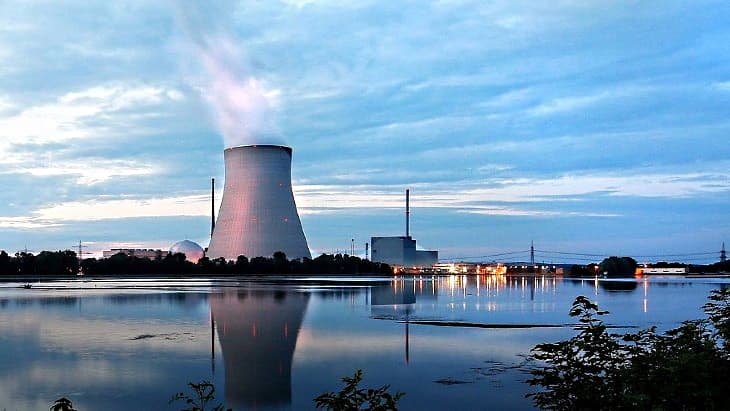
Former managers of German nuclear plants and nuclear technology experts pressed the government on June 29 to revisit the country’s reactor shutdown, sending a direct appeal to Friedrich Merz, Katherina Reiche and Jens Spahn. Their letter called reactivating German nuclear power a “technically feasible and sensible option,” and argued that bringing existing stations back could help steady industrial electricity prices while strengthening energy security through a broader supply mix.
Germany’s last three reactors, Isar 2 in Bavaria, Neckarwestheim 2 in Baden-Württemberg and Emsland in Lower Saxony, went offline on April 15, 2023. That ended commercial nuclear generation after more than six decades, and the dismantling process is set to run for decades. Germany’s exit was accelerated after Fukushima in 2011, when Angela Merkel ordered eight reactors shut immediately, and before the phase-out nuclear power supplied about one-quarter of the country’s electricity.
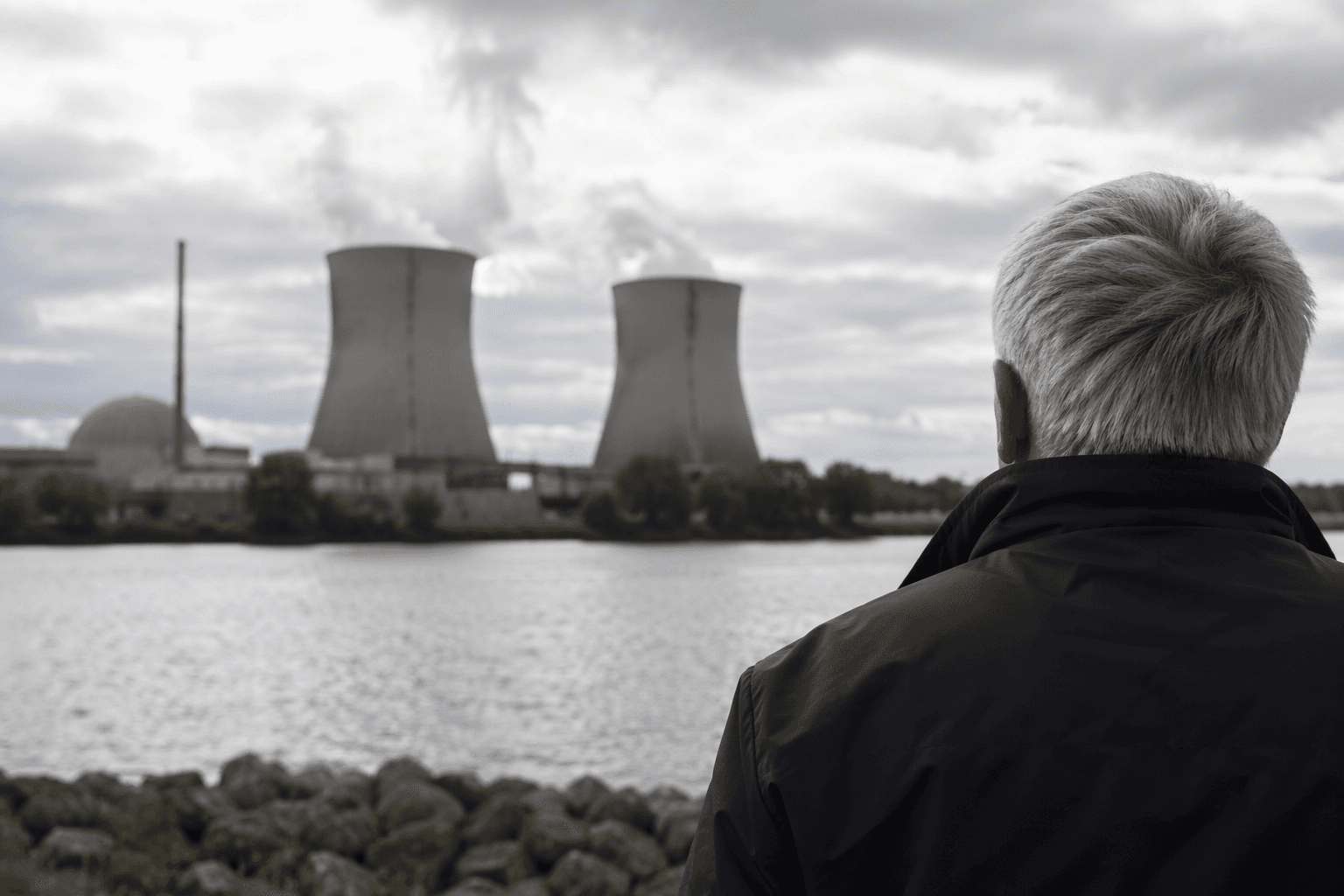
The letter said the country still retains enough residual capability to make a restart conceivable, pointing to industry know-how, fuel management, training, site infrastructure and plant components. It also said a restart would help preserve expertise for later technologies such as small modular reactors and nuclear fusion. The letter asked for a pause in dismantling at potential nuclear sites, changes to the Atomic Energy Act and related rules, faster permitting, stronger support for universities and supplier firms, and clearer incentives for investment.
Reactors of similar German design still operate or are being built in Spain, Switzerland, the Netherlands, Brazil and Argentina. Kerntechnik Deutschland e.V. said in March 2025 that up to six shut-down reactors could technically resume operation.
Merz has already said Germany will not return to nuclear power, and Reiche was appointed federal minister for economic affairs and energy in May 2025.
This article was produced by Prism’s automated news system from verified source data, official records, and press releases, then run through automated quality and moderation checks before publishing. The system is built and supervised by the people who set the standards it runs under. Read our full AI policy.
Did this article answer your question?