Germany’s Grohnde plant wins final permit for dismantling work
Grohnde’s final dismantling permit opens the way to cut out the reactor vessel and biological shield after fuel removal stripped out more than 99 percent of the plant’s radioactivity.
_15918.jpg&w=1920&q=75)
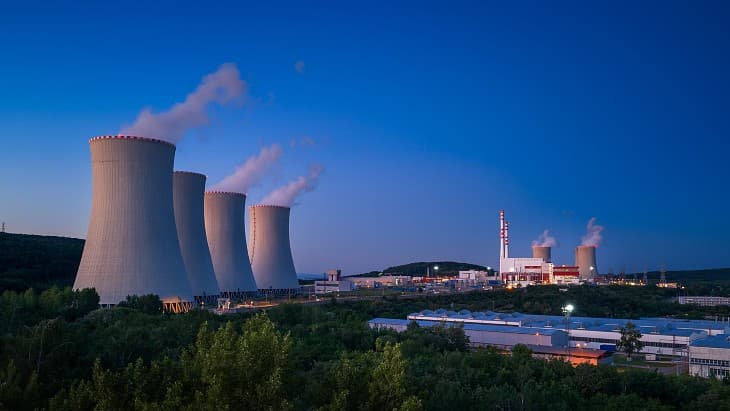
Grohnde has crossed the point where a shutdown plant turns into a true teardown job. The second and final dismantling permit now lets PreussenElektra move beyond cleanup and into removal of the reactor pressure vessel and the biological shield, the kind of heavy work that makes a decommissioning sequence irreversible.
The 1,360 MWe pressurized water reactor was commissioned in 1985 and ran until the end of 31 December 2021. PreussenElektra, a subsidiary of Eon Group, applied for approval to decommission and dismantle the plant in October 2017, a reminder that the regulatory runway for nuclear closure can stretch for years. Lower Saxony issued the first decommissioning and dismantling permit on 6 December 2023, and dismantling work started in January 2024.

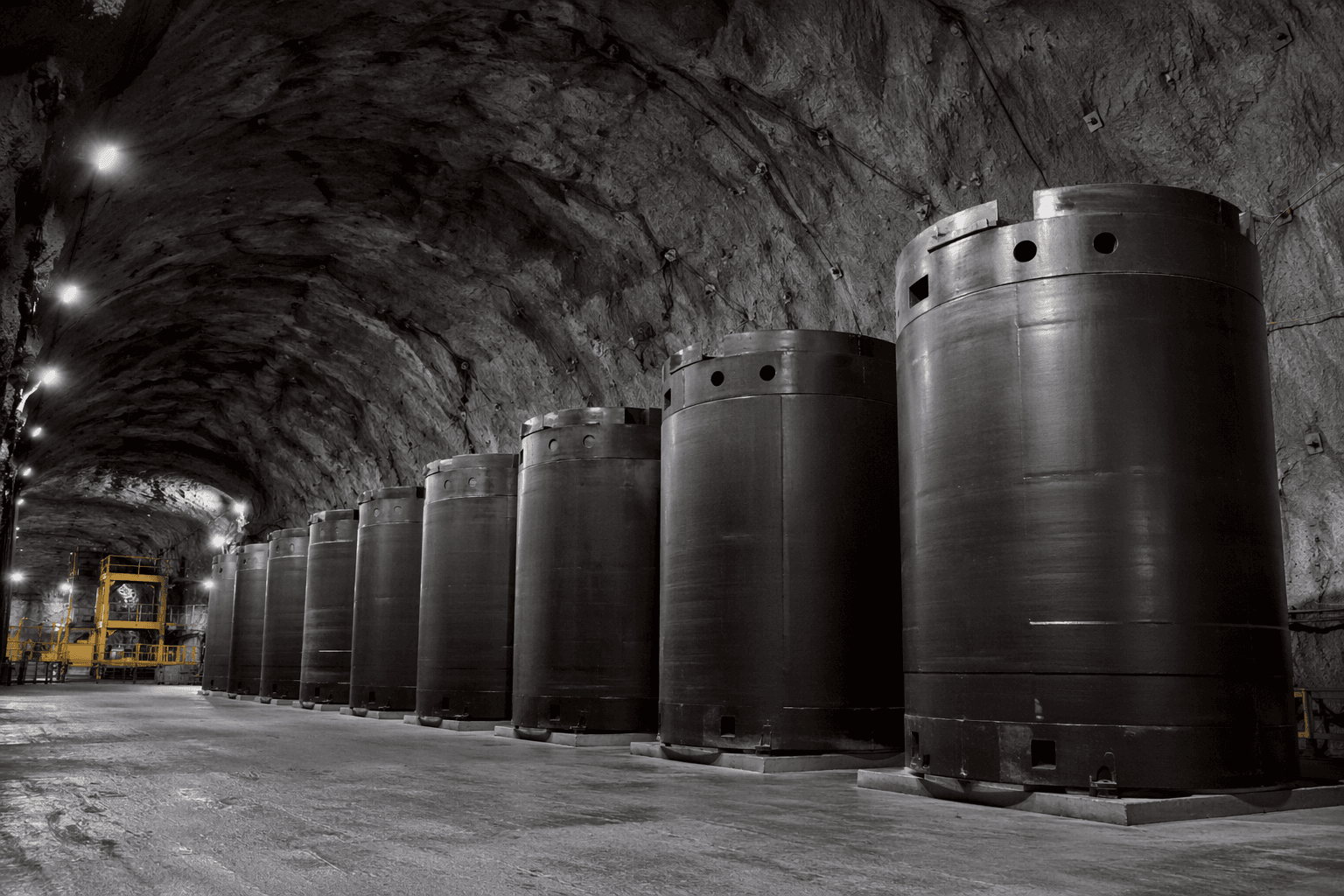
The fuel exit was the real inflection point. On 7 April 2026, PreussenElektra loaded the last used fuel assembly from the storage pool and moved it to the on-site interim storage facility. In total, 694 used fuel assemblies were transferred into CASTOR casks, leaving the reactor building free of nuclear fuel. PreussenElektra said that step removed the radioactive core of the plant and more than 99 percent of its radioactivity, which is exactly the kind of reset that changes what crews can safely tackle next.
The site is already working through earlier dismantling stages, including removal of components from the primary cooling circuit. A newly built waste treatment centre has also started operating, where dismantled material is broken down, measured for radiological content, cleaned and, once approved, sent either for disposal or recycling. That is the unglamorous but essential machinery of nuclear end-of-life: shrink the waste stream, sort it properly, and keep the next phase moving.

The new permit was formally presented by Lower Saxony environment minister Christian Meyer during a site visit on 15 May 2026. PreussenElektra said planning is already under way for dismantling the reactor pressure vessel internals, with the first cut scheduled for early 2027 and completion of the overall project expected by mid-2028. The company is leaning on earlier experience from completed dismantling at Würgassen and advanced work at Stade, and Grohnde now shows how Germany can take a large nuclear asset from shutdown to a point where the last major structures can finally come apart.
This article was produced by Prism’s automated news system from verified source data, official records, and press releases, then run through automated quality and moderation checks before publishing. The system is built and supervised by the people who set the standards it runs under. Read our full AI policy.
Did this article answer your question?