IAEA tool maps the world’s spent-fuel challenge
The IAEA’s new map shows 447,758 tHM of spent fuel worldwide, with the United States alone holding 94,926 tHM and no operating repository in sight.
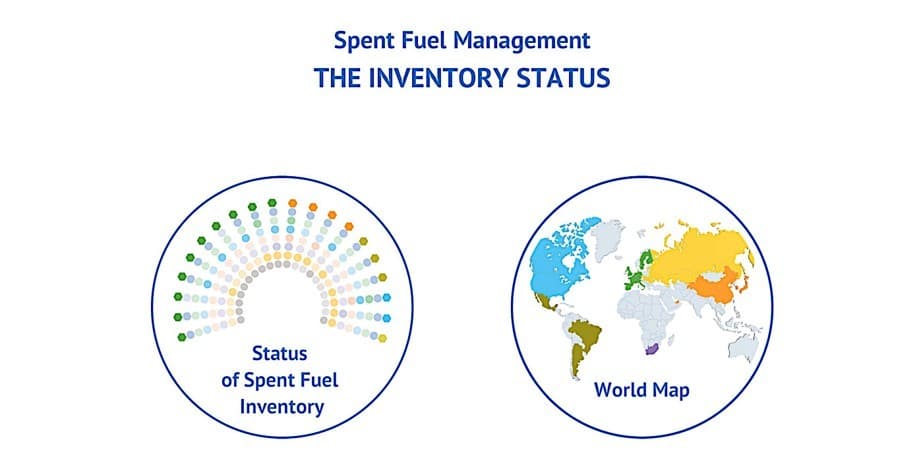
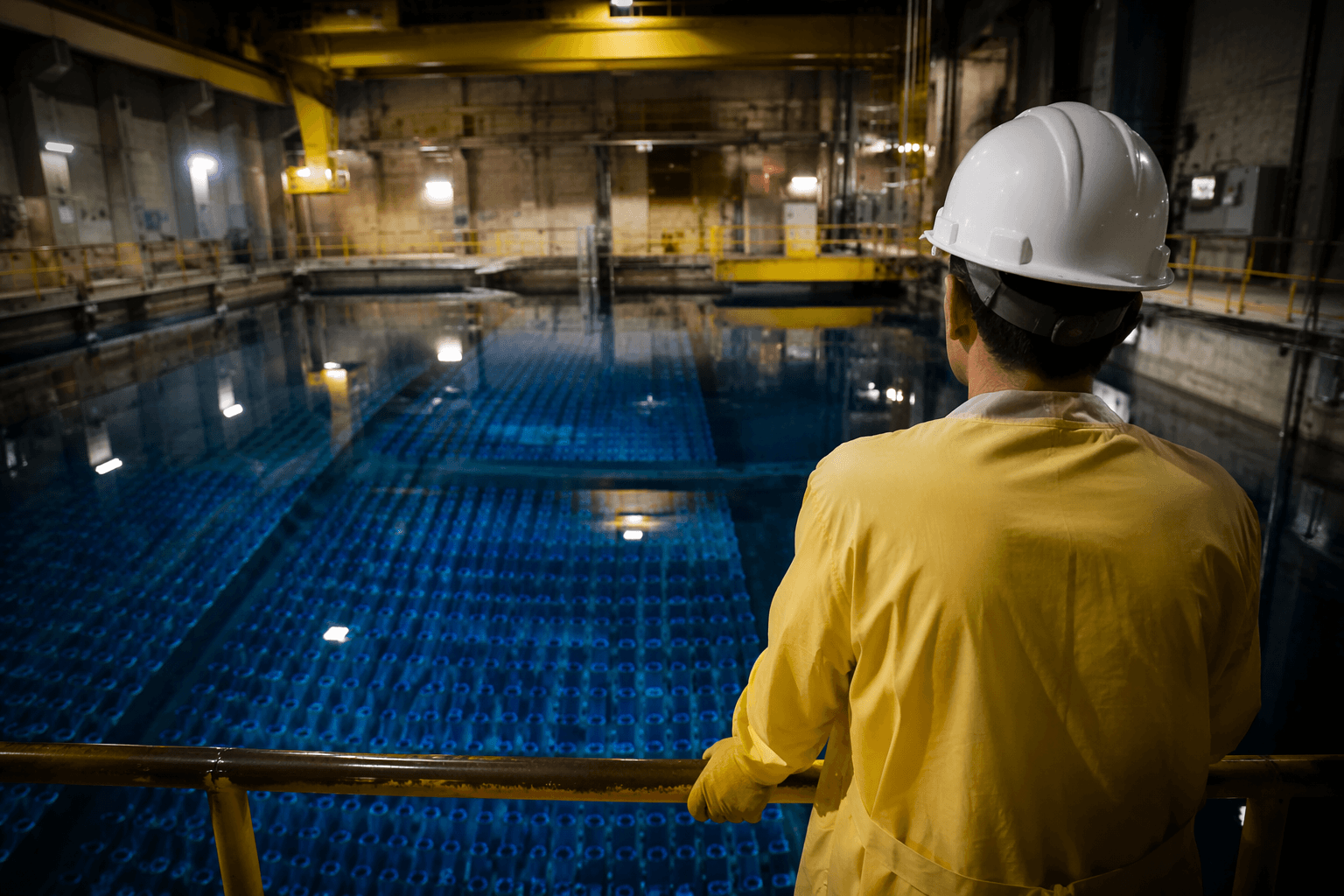
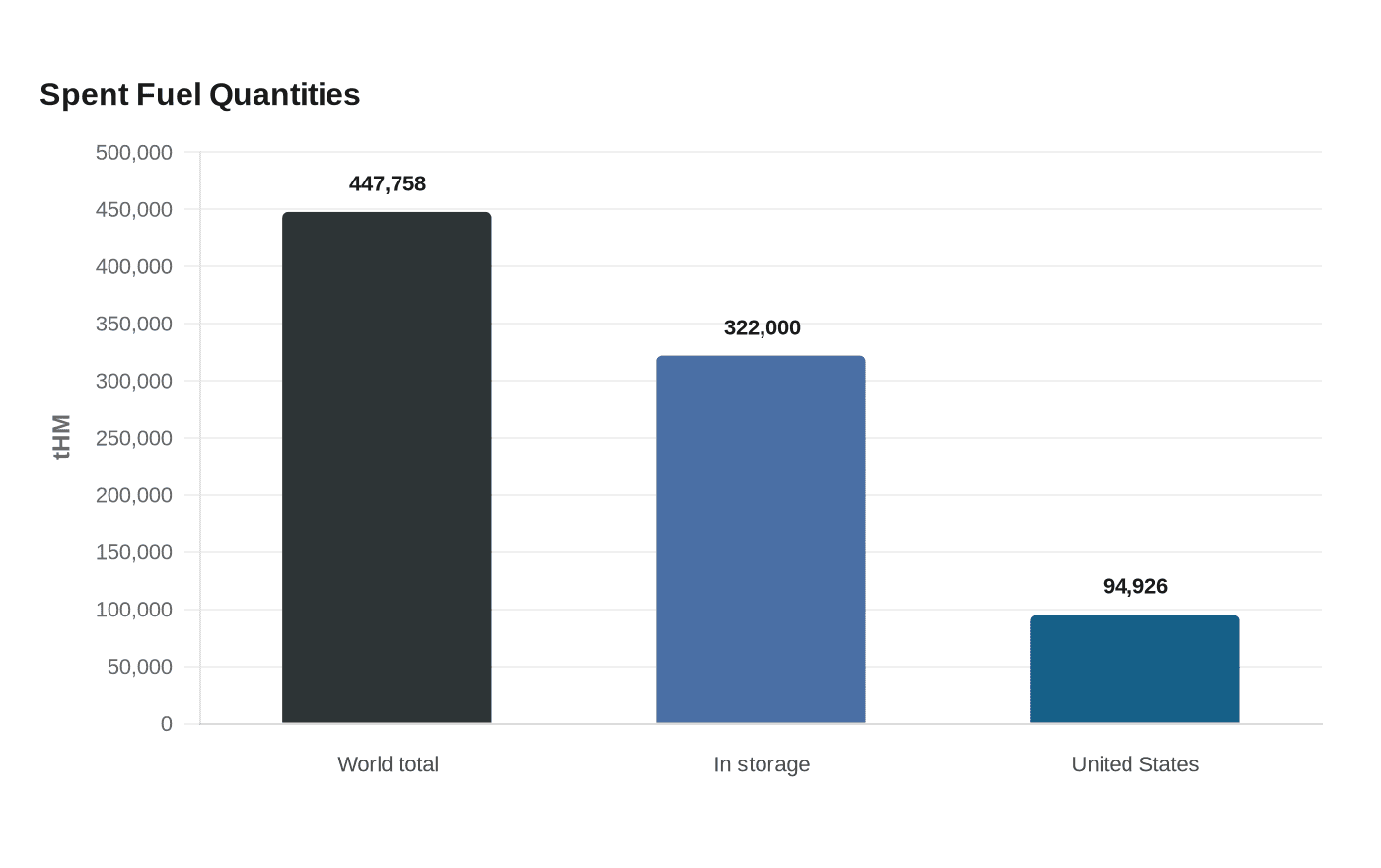
The International Atomic Energy Agency’s new interactive spent-fuel map put a hard number on a problem nuclear plants have been carrying for decades: 447,758 metric tons of heavy metal of discharged fuel worldwide, with about 322,000 tHM still in storage. The sharpest takeaway is not just the size of the pile, but where it sits. Roughly 41% of the global inventory is in wet storage and about 31% is in dry storage, which means most of the world’s spent fuel is still parked in interim systems rather than headed to a final resting place.
The tool is the second edition of the agency’s Global SNF Inventory. The first version, released in 2019, was a set of static infographics; the 2026 edition is interactive, built mainly from data submitted under the 2025 reporting cycle of the Joint Convention on the Safety of Spent Fuel Management and on the Safety of Radioactive Waste Management, with other public information folded in. Users can click through country and region views, and that is where the geography gets useful fast.
The United States stands out immediately. In the country-level breakdown, it accounts for about 94,926 tHM, or 21.2% of the world total. That single figure gives a clearer sense of the scale than any generic warning about waste ever does: one country holds more than a fifth of the global discharged inventory, and it is still being managed mostly as an engineering and policy problem, not a solved disposal one.
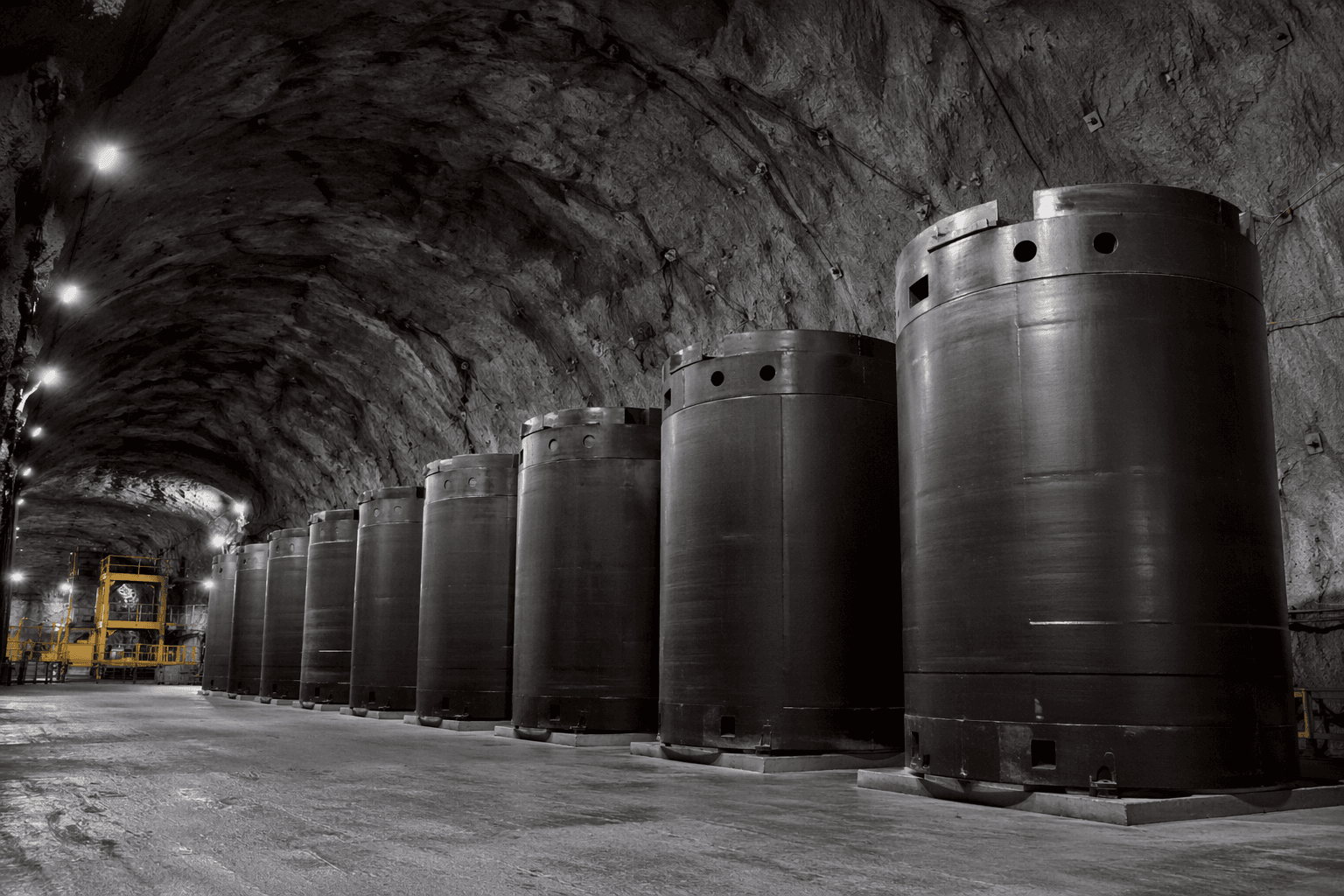
That is the broader context the IAEA has been pushing for years. Its spent-fuel overview says plants generate spent fuel in roughly 30 countries, that the material is stored on-site or off-site in engineered facilities while governments decide on final disposition, and that countries do not agree on whether they treat it as waste, a resource, or both. The agency also says no country currently has an operating geological repository for spent fuel storage or disposal.
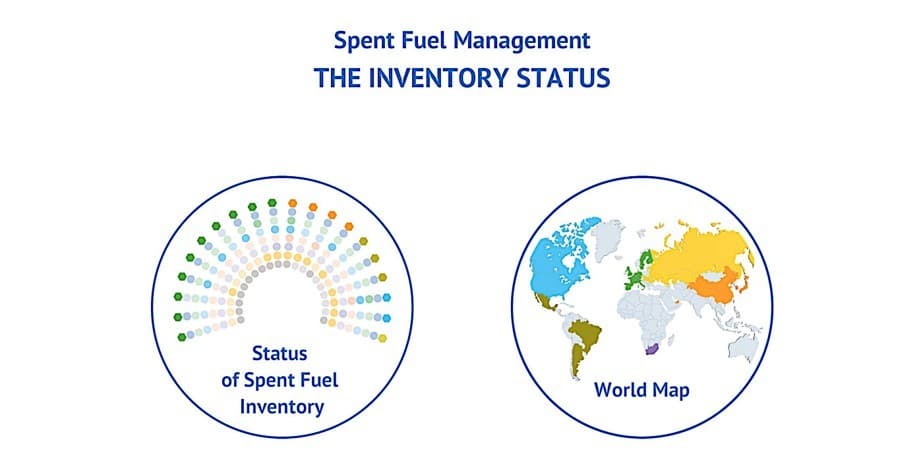
Finland’s Onkalo facility, built by Posiva Oy, is expected to begin operations in 2026 after about two decades of construction, but the IAEA’s global overview still shows how rare that milestone remains. The agency’s Joint Convention, which it describes as the first legal instrument to address spent fuel and radioactive waste safety on a global scale, is the reporting spine behind the database, alongside related systems such as INFCIS and SRIS.
The map does not solve the repository gap. It does something almost as useful: it makes the backlog visible, country by country, storage system by storage system, until the spent-fuel debate stops sounding abstract and starts looking like the decades-long inventory problem it actually is.
This article was produced by Prism’s automated news system from verified source data, official records, and press releases, then run through automated quality and moderation checks before publishing. The system is built and supervised by the people who set the standards it runs under. Read our full AI policy.
Did this article answer your question?