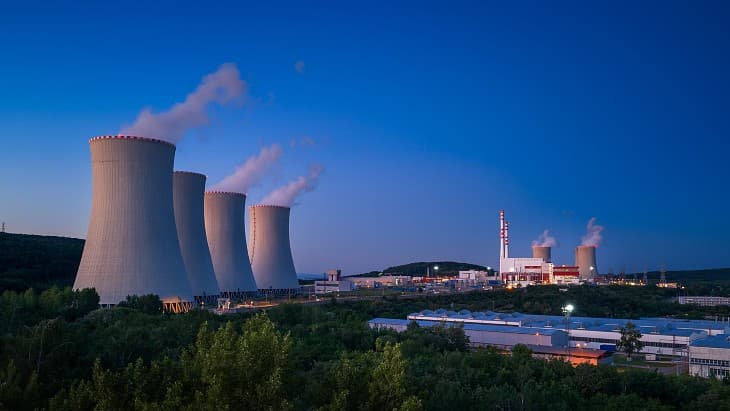
Idaho National Laboratory opens new hot cell for irradiated materials
A new hot cell at INL restores irradiated-materials handling the lab has lacked for 50 years, speeding tests that shape reactor lifetimes and fuel qualification.
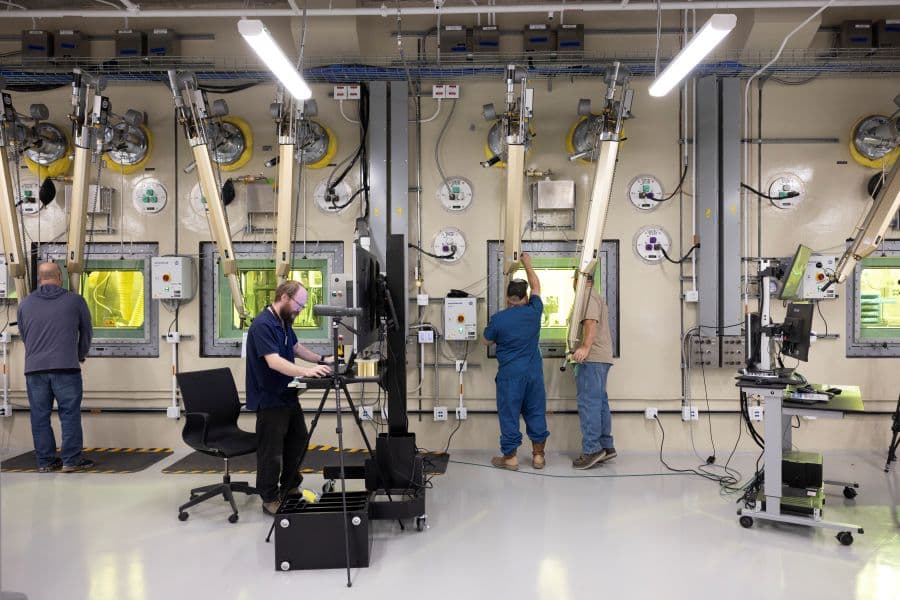
The first new hot cell the Department of Energy complex has seen in more than four decades just came online at Idaho National Laboratory, restoring a piece of irradiated-materials infrastructure the U.S. reactor community has been missing for years. The Structural Properties Laboratory at INL’s Materials and Fuels Complex was fully operational in late January 2026, and INL opened it for broader use in a public announcement on May 18.
The build was a long one. INL says the lab was designed in 2017, won $166 million in congressional funding in 2019, and moved into construction in June 2020. The laboratory reached substantial completion ahead of schedule and below budget, and INL classifies it as a Hazard Category 3 facility. Inside, the lab pairs advanced robotics with a hot cell and scalable space for future expansion.
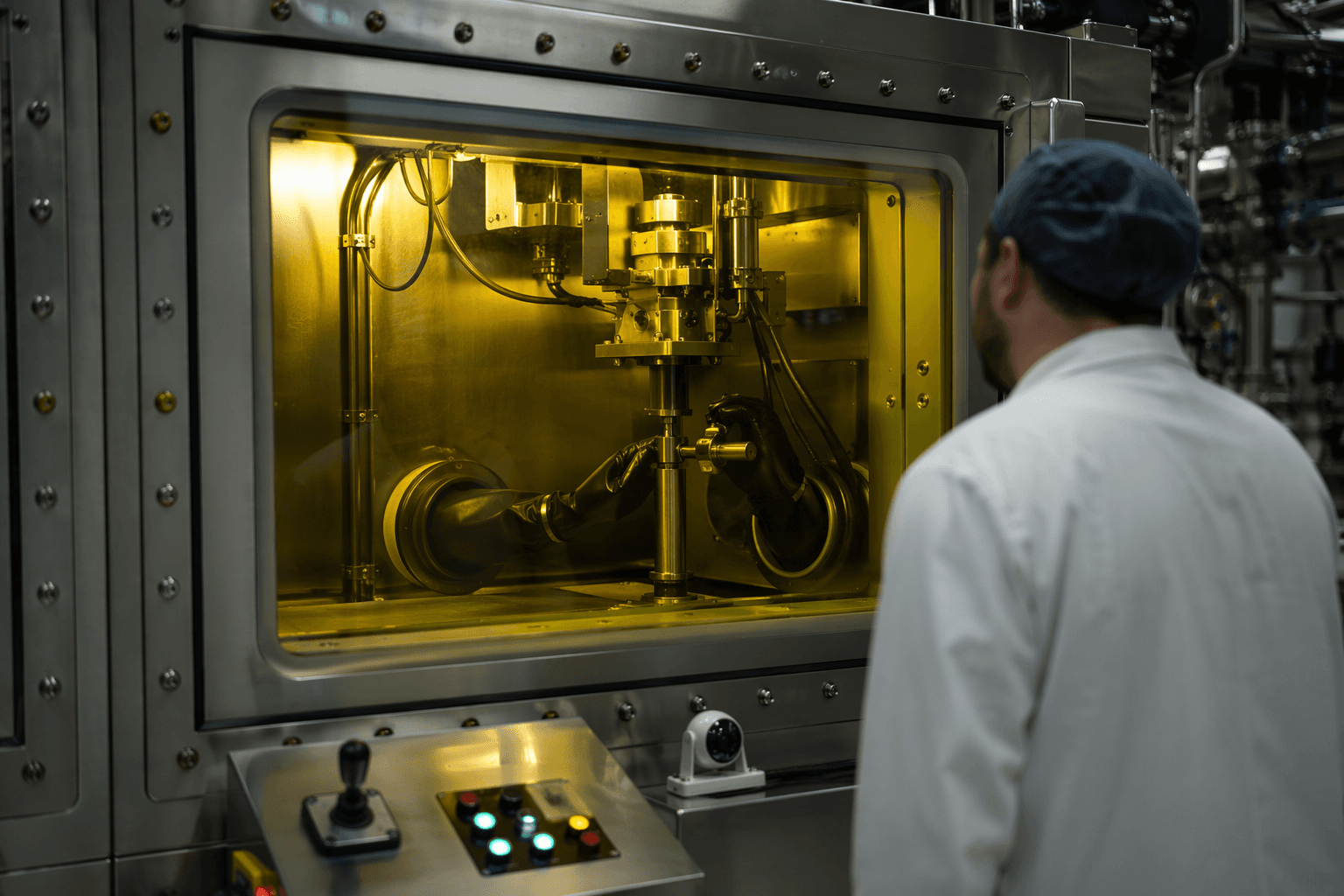
What SPL changes is not just where samples sit, but how fast the most difficult materials can be studied. INL says the facility closes a domestic infrastructure gap in mechanical testing, detailed microstructural examination and surface characterization of high-activity irradiated material. That means irradiated pieces from decommissioned reactors, the Advanced Test Reactor or outside entities can be reduced in size in the hot cell and transferred safely to other facilities for deeper analysis.
That workflow matters for the entire reactor stack. INL says the lab is meant to help today’s plants operate safely for longer and to support advanced reactors now moving through design and qualification. The same kind of irradiated-materials work feeds the component programs that decide whether a design survives in service, including control rods and reactor pressure vessels.
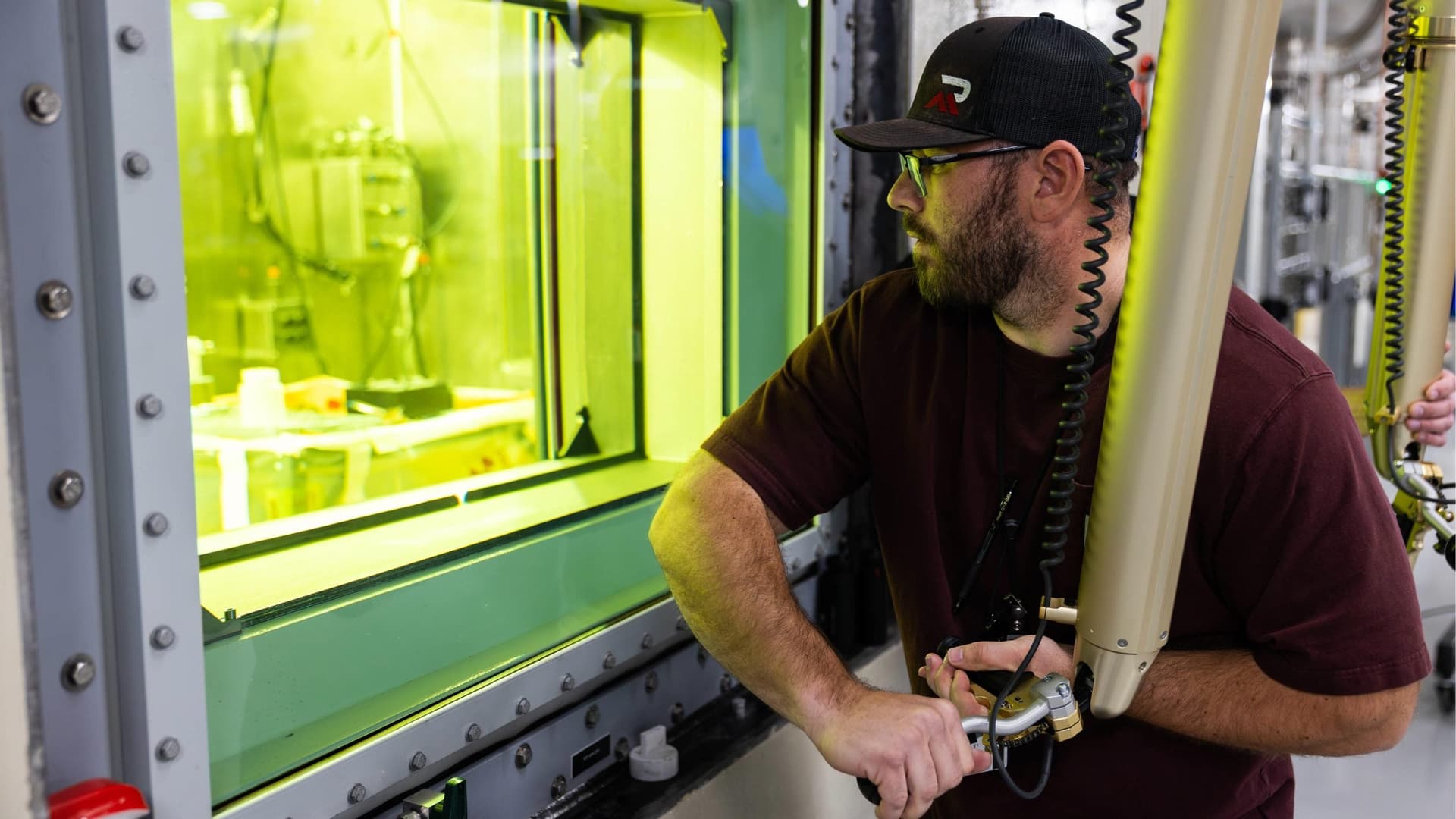
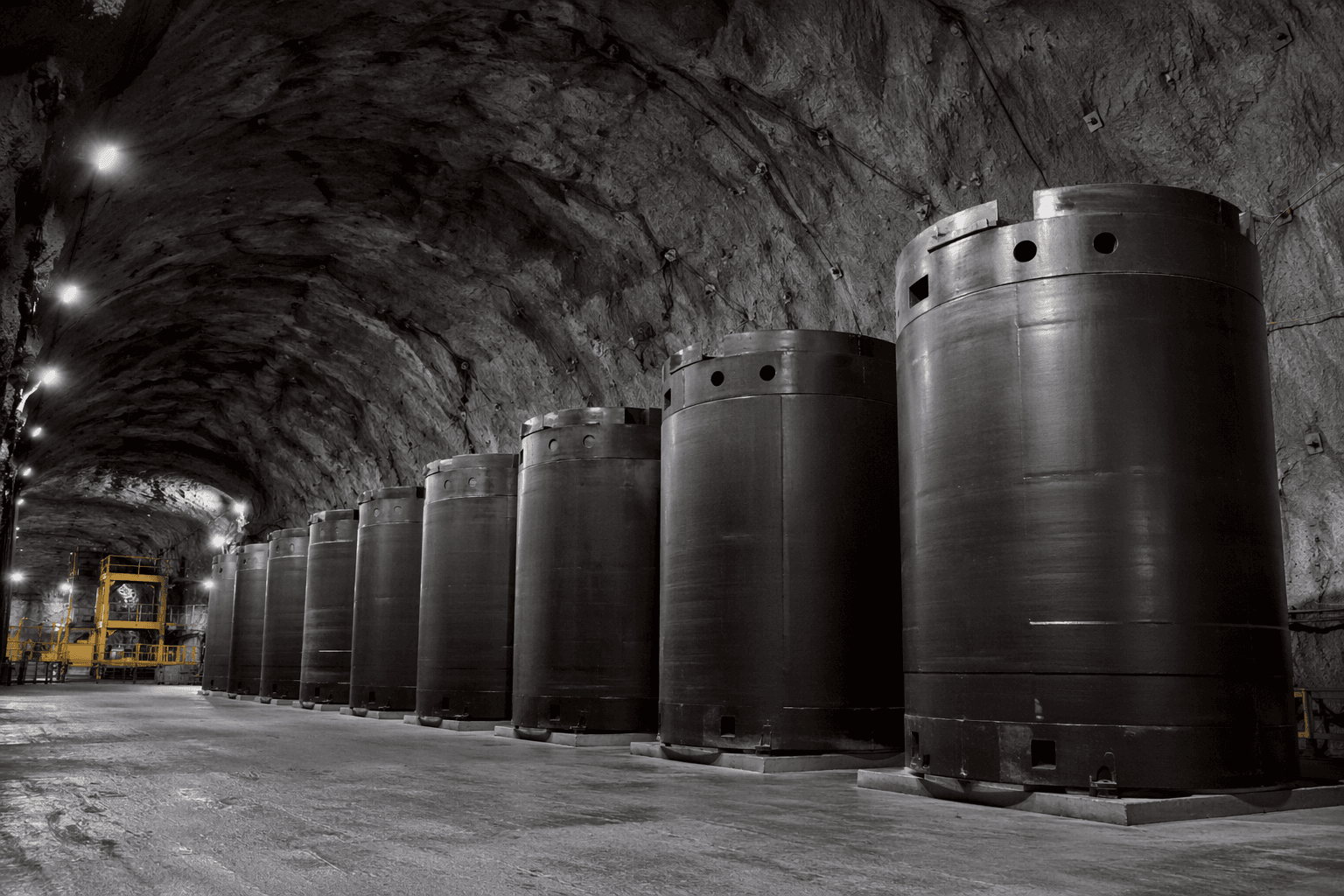
SPL also lands inside a site that already lives and breathes hot-cell work. INL’s Materials and Fuels Complex combines upgraded and historical infrastructure, including hot cell facilities, advanced characterization labs and systems for fuel recycling and waste treatment. Nearby, the Hot Fuel Examination Facility began operating in 1975 and remains the largest hot cell dedicated to radioactive material research at Idaho National Laboratory; historical material says HFEF was built to handle spent fuel and irradiated experiments from EBR-II, FFTF and TREAT.

INL says the new SPL hot cell is the first new one in the Department of Energy complex in over four decades. That is not a ceremonial line. For researchers trying to qualify materials after real reactor exposure, the gap was the problem, and SPL is the fix. Outside researchers interested in doing work there can contact Brandon Miller or Anne Demma as INL opens the facility to broader use.
This article was produced by Prism’s automated news system from verified source data, official records, and press releases, then run through automated quality and moderation checks before publishing. The system is built and supervised by the people who set the standards it runs under. Read our full AI policy.
Did this article answer your question?