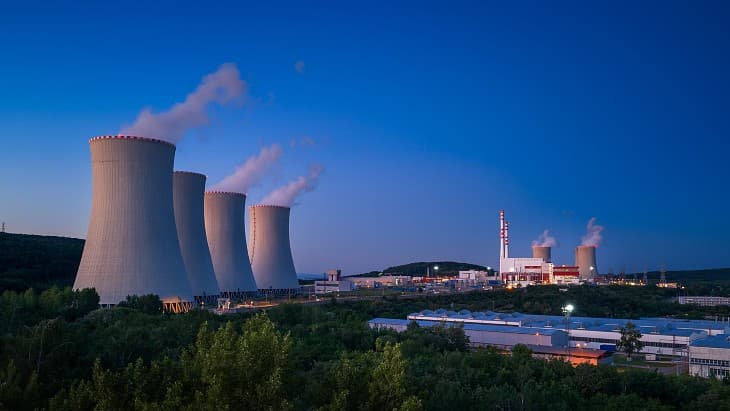
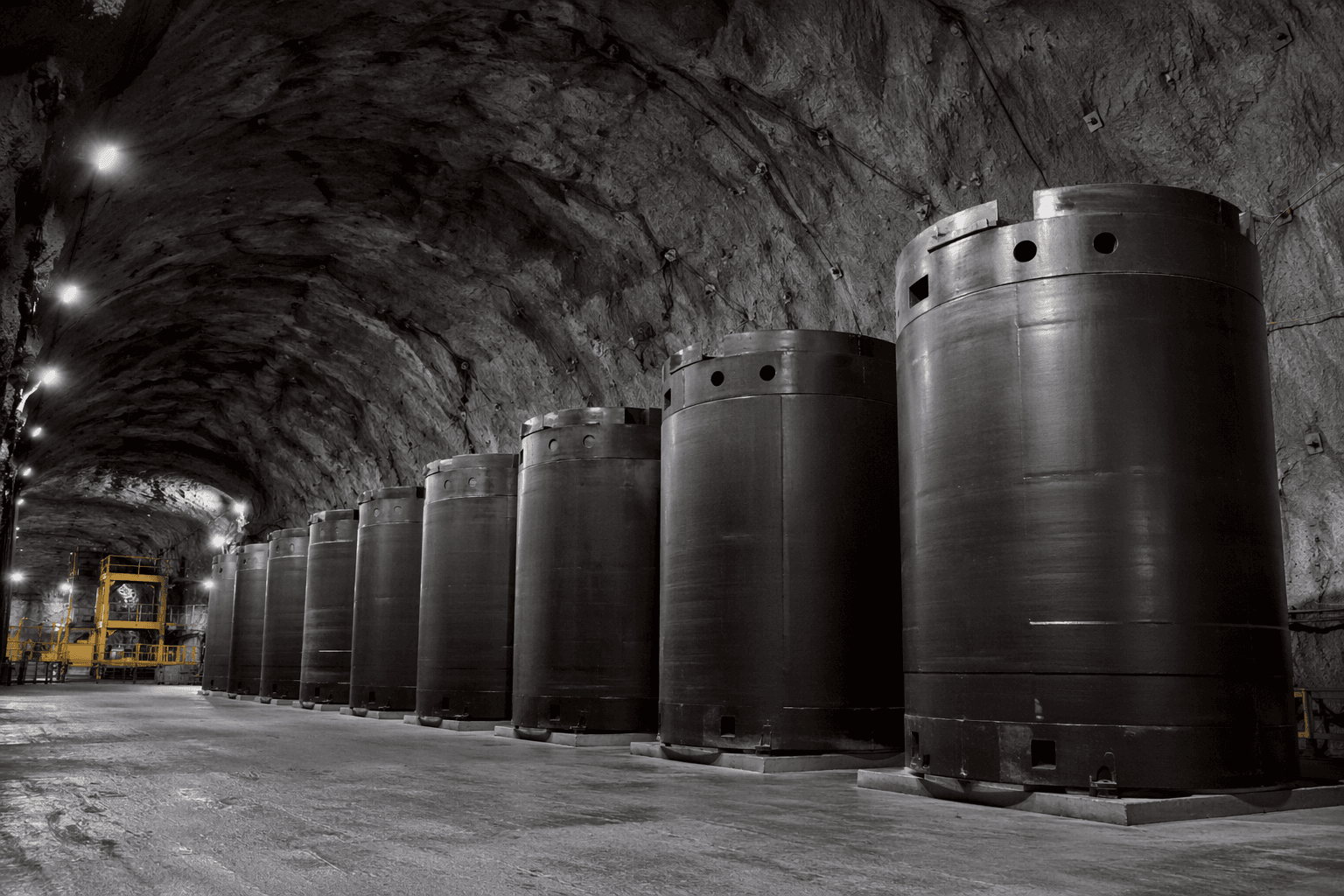
India opens first nuclear heat-powered hydrogen plant in Kalpakkam
India has turned FBTR heat into hydrogen at Kalpakkam, a first-of-its-kind nuclear-thermochemical plant built to prove reactor heat can make clean fuel.
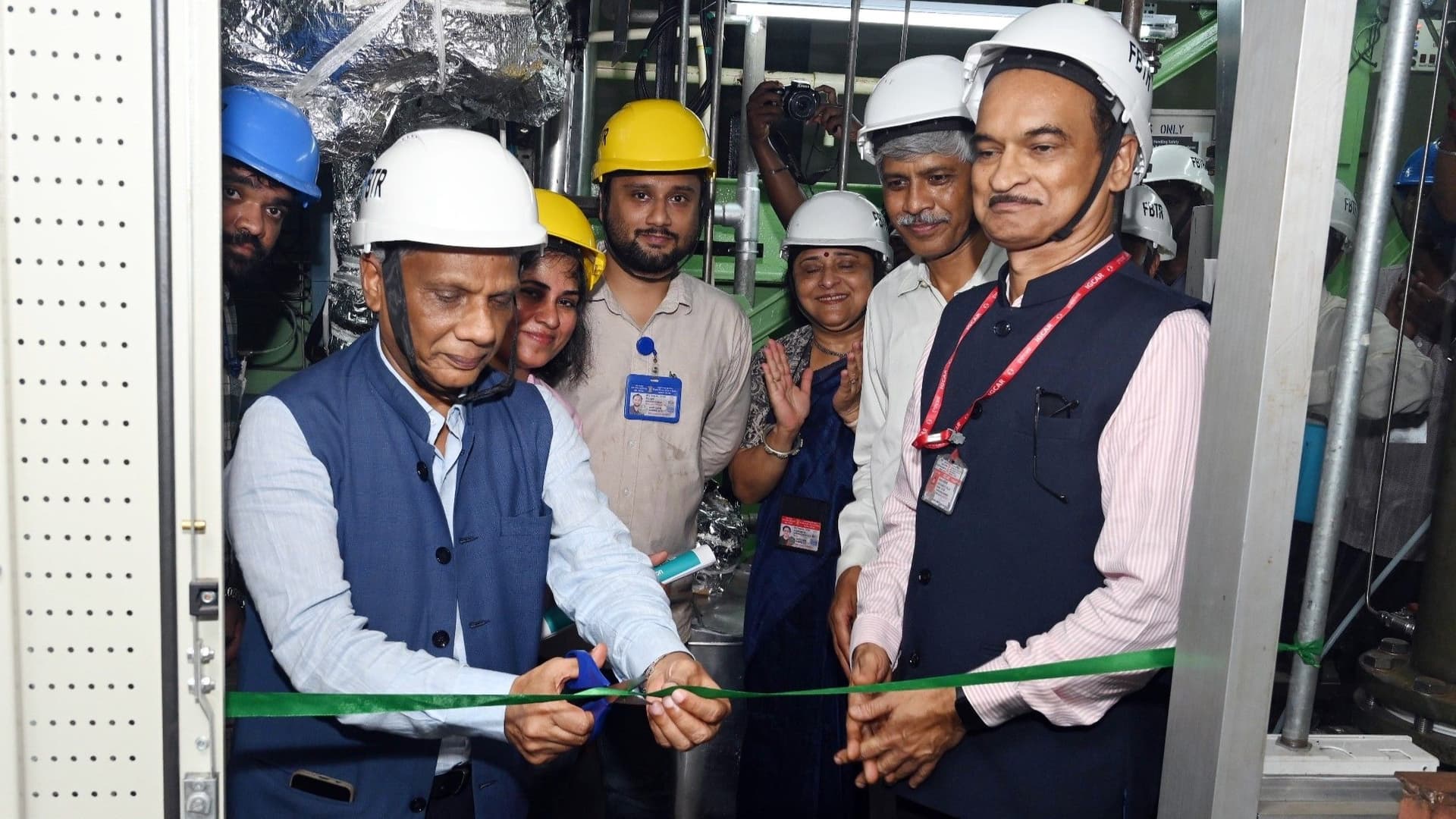
India has opened the first hydrogen production plant to run on nuclear process heat from a fast breeder reactor, turning the Fast Breeder Test Reactor at Kalpakkam into more than a fuels-and-materials test bed. The facility was inaugurated on 29 June 2026 at the Indira Gandhi Centre for Atomic Research in Tamil Nadu by Ajit Kumar Mohanty, secretary and chairman of the Atomic Energy Commission, with IGCAR director Sreekumar Pillai present.
The Department of Atomic Energy says the plant is the world’s first hydrogen production facility based on the Copper-Chlorine thermochemical cycle to use nuclear heat from a fast breeder reactor. In plain reactor terms, that means the FBTR is supplying process heat for a multi-step chemistry loop that splits water into hydrogen and oxygen, instead of relying only on electricity or fossil-fuel heat. That puts the Kalpakkam installation in the category of working hardware, not paper concept.
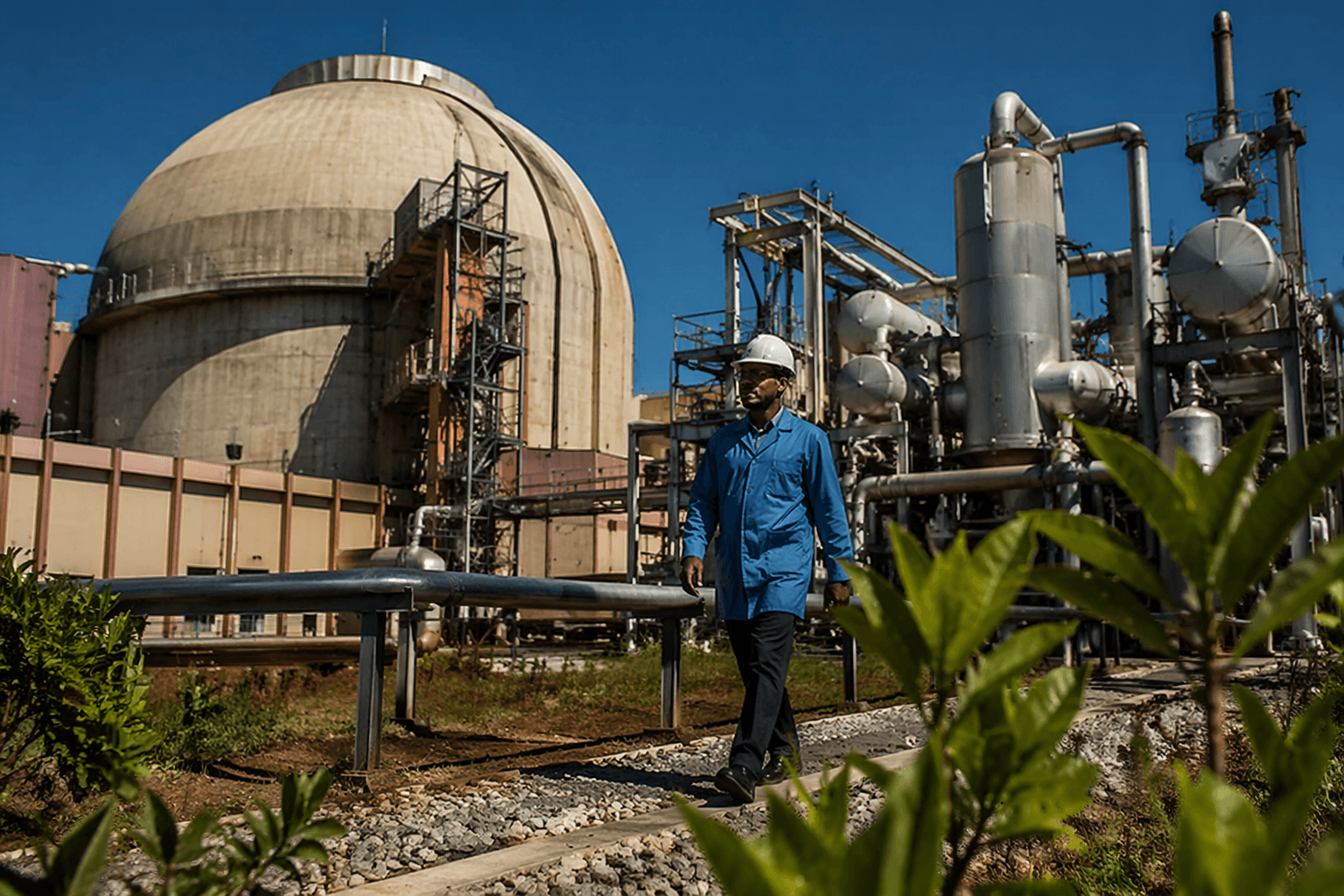
The reactor feeding it matters. IGCAR describes the Fast Breeder Test Reactor as a 40 MWt sodium-cooled fast reactor that has used plutonium-uranium mixed carbide fuel and supported irradiation studies for fuels and advanced structural materials. The centre says FBTR has served as a test bed for fuels, materials and sodium technologies for more than four decades, and it remains India’s only operating fast reactor research facility. That makes the hydrogen plant a direct link between the country’s fast-reactor heritage and its clean-fuel ambitions.
The timing is hard to ignore. India’s 500 MWe Prototype Fast Breeder Reactor at Kalpakkam attained first criticality on 6 April 2026, a separate milestone for the country’s three-stage nuclear programme and for BHAVINI, which built the reactor with IGCAR’s development support. Put together, the FBTR hydrogen plant and the PFBR’s first criticality show India pushing its fast-reactor programme beyond power generation and into industrial heat applications.
That matters because low-emissions hydrogen is still tiny beside the fossil-based market. The International Energy Agency says global hydrogen production reached 97 million tonnes in 2023, and less than 1% of that was low-emissions hydrogen. The agency also says low-emissions hydrogen demand grew almost 10% in 2023 but still stayed below 1 million tonnes, while announced projects could lift low-emissions hydrogen capacity to 49 million tonnes per year by 2030. Kalpakkam now has a real reactor-to-hydrogen path on the ground, not just another slide deck about what advanced nuclear could do someday.
This article was produced by Prism’s automated news system from verified source data, official records, and press releases, then run through automated quality and moderation checks before publishing. The system is built and supervised by the people who set the standards it runs under. Read our full AI policy.
Did this article answer your question?