India's PFBR achieves first criticality, advances thorium nuclear program
PFBR has gone critical at Kalpakkam, starting India’s first indigenous fast-breeder chain reaction and pushing the reactor toward power-ascension testing.
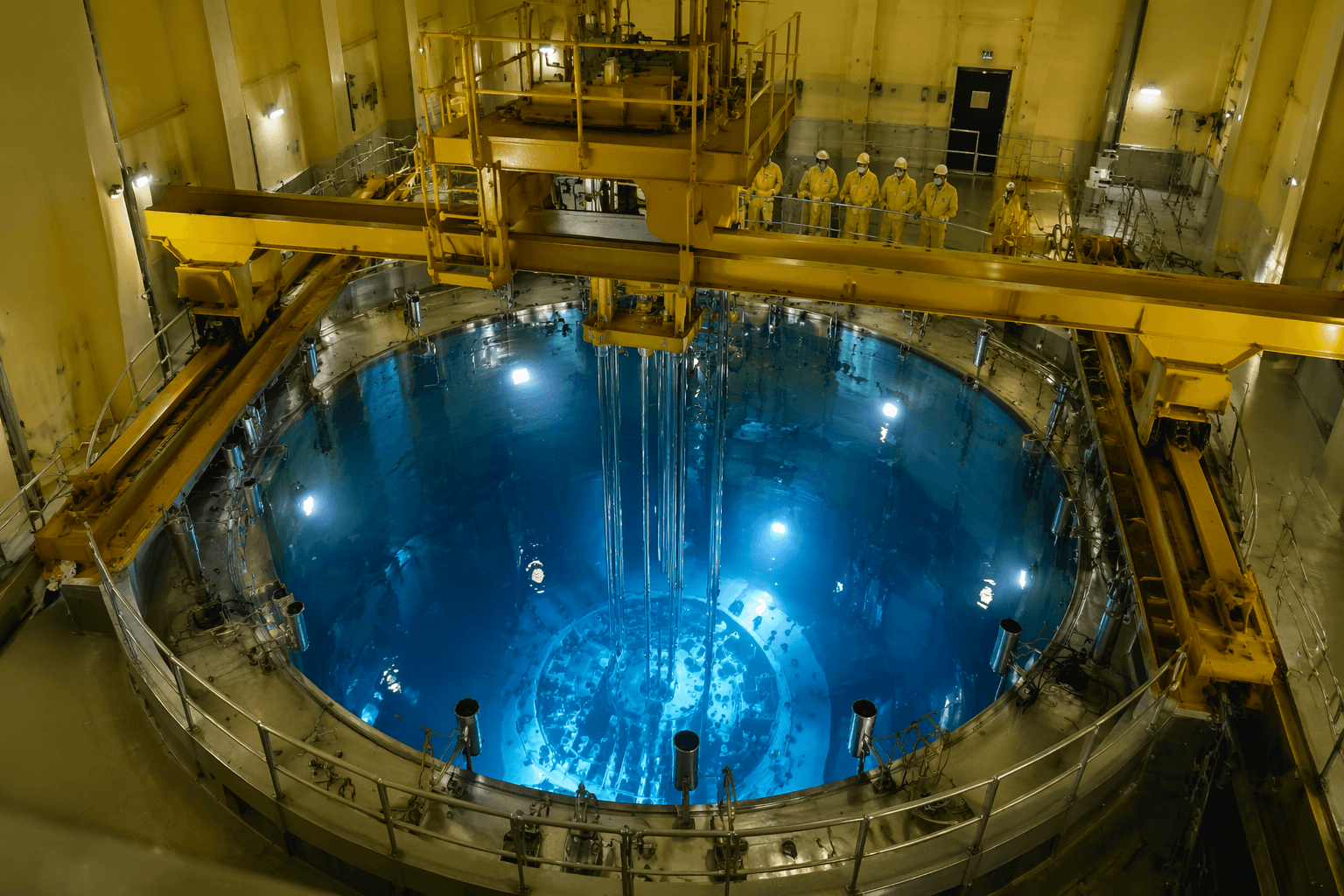
India’s 500 MWe Prototype Fast Breeder Reactor has reached first criticality at the Kalpakkam Nuclear Complex in Tamil Nadu, the point where the core can sustain a controlled, self-maintaining fission chain reaction. It went critical on 6 April 2026 at 8:25 p.m., turning a long-gestating engineering project into an operating reactor that now has to prove it can hold stable conditions through the next commissioning stages.
In practical terms, first criticality is not routine generation. It is the start of a sustained neutron economy inside the core, followed by low-power physics checks, power ascension testing, grid synchronization and progressively longer runs to verify fuel behavior, control systems, cooling response and safety systems before commercial operation. That is the real grind that comes next for PFBR, and it is where a first-of-a-kind reactor either settles into repeatable performance or exposes the weak points that still have to be tuned out.
The Department of Atomic Energy called the achievement a landmark for India’s nuclear energy programme and long-term energy security. Prime Minister Narendra Modi congratulated the scientists and engineers involved, saying India had taken a defining step in its civil nuclear journey and advanced the country’s second-stage breeder programme, while also opening the way for better use of its thorium reserves in the third stage. PFBR was built by Bharatiya Nabhikiya Vidyut Nigam Limited, or BHAVINI, and designed by the Indira Gandhi Centre for Atomic Research, making it a showcase for India’s domestic nuclear engineering stack rather than an imported system stitched together at the end.
The milestone closes a commissioning campaign that has stretched far beyond the original plan. Construction began in 2004, with completion once expected in 2010. The Atomic Energy Regulatory Board granted permission for first approach to criticality in July 2024, after core loading began on 4 March 2024 when Modi witnessed the start at the plant. By January 2026, the Department of Atomic Energy said construction activities were complete and integrated commissioning was underway.
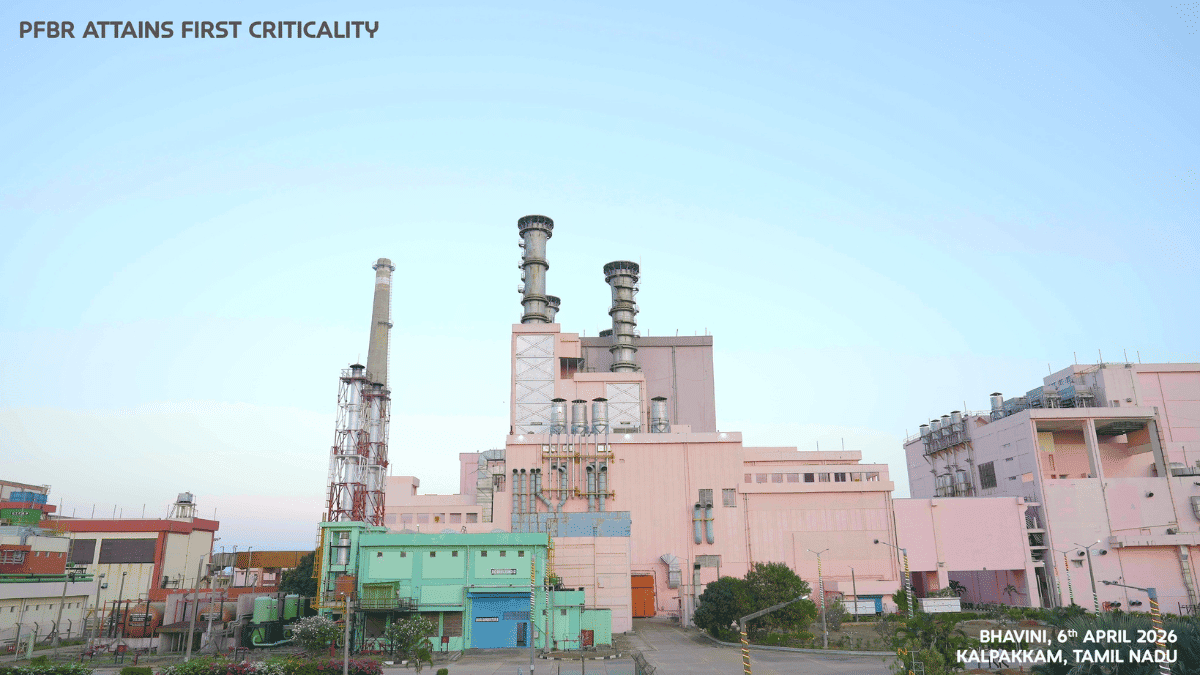
The reactor matters because India’s breeder path is tied directly to its fuel-cycle strategy. Government data cited by the Press Information Bureau puts India’s in-situ monazite resources at about 11.93 million tonnes, containing roughly 1.07 million tonnes of thorium. PFBR is meant to sit between the uranium-based first stage and a thorium-heavy third stage, breeding more fissile material than it consumes and creating the operational bridge India has spent decades trying to build. After years of delay, including first-of-a-kind commissioning issues flagged in 2025, the reactor has finally moved from construction story to reactor story. Now the hard part is proving it can do the next steps cleanly, repeatedly and at scale.
This article was produced by Prism’s automated news system from verified source data, official records, and press releases, then run through automated quality and moderation checks before publishing. The system is built and supervised by the people who set the standards it runs under. Read our full AI policy.
Did this article answer your question?


