Italy begins re-encapsulating legacy Elk River uranium-thorium fuel at Rotondella
Sogin has started re-encapsulating 64 Elk River uranium-thorium fuel elements at Itrec, pushing a legacy reactor load into dry storage by mid-2027.
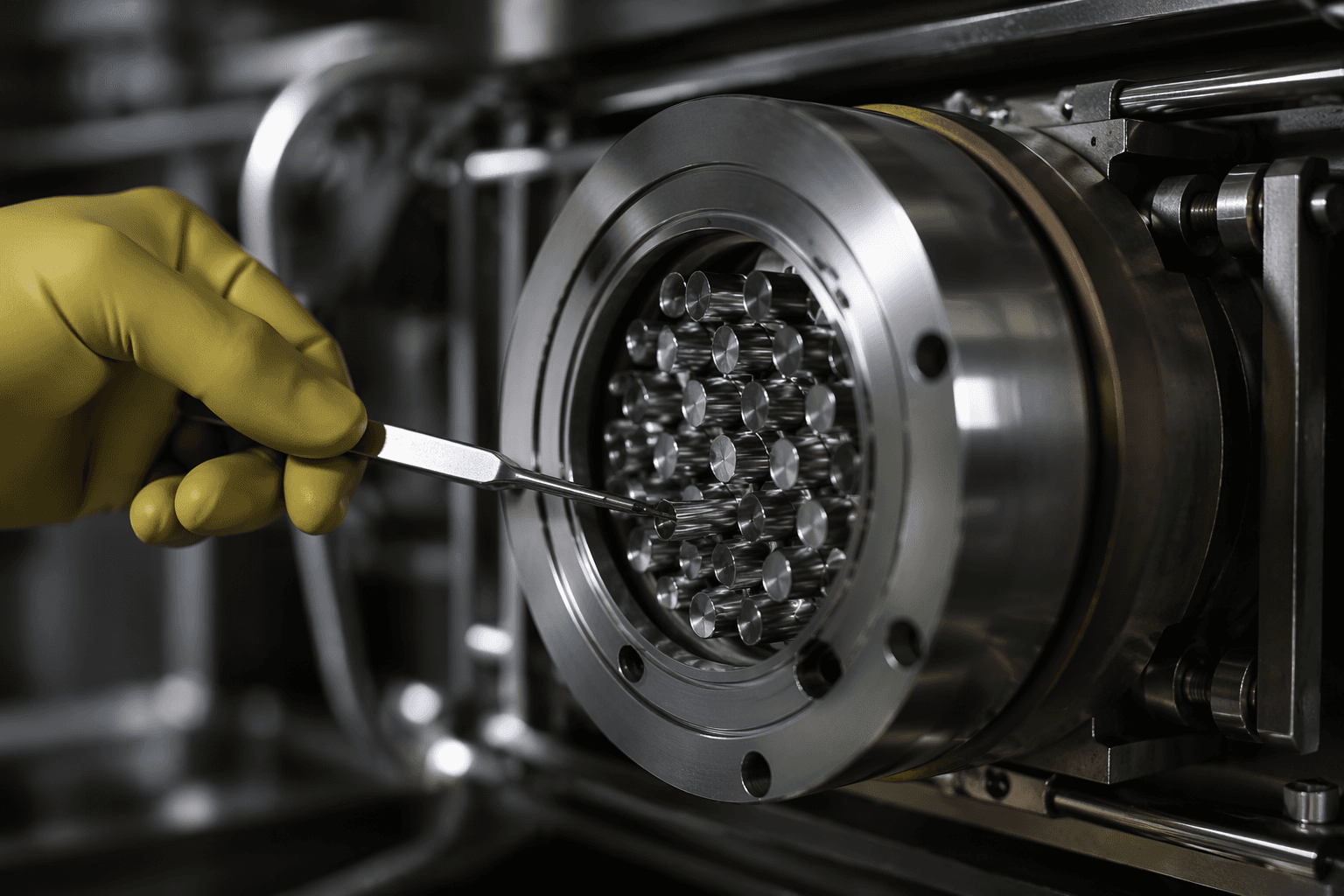
Sogin has started re-encapsulating 64 uranium-thorium fuel elements at the Itrec facility in Rotondella, a tightly controlled move that pushes one of Italy’s most sensitive legacy fuel sets toward dry storage. The material began its life at the Elk River experimental reactor in Minnesota, was shipped to Italy between 1968 and 1970, and some of the elements were later used in a nuclear testing campaign from 1975 to 1978.
The operation matters because these elements are not just old fuel, they are a leftover from a thorium-cycle research program that never became a commercial fuel path. Sogin says the fuel must go into dry storage under the Operating License Decree of the Ministry of Economic Development because there are no industrial facilities able to reprocess it. Until now, the 64 elements have remained in the plant’s fuel storage pool at Rotondella, in Basilicata, as part of a material stream that has sat in limbo for decades.

The work itself is being done underwater in the storage pool, where the water provides shielding and makes inspection and handling safer. Sogin is transferring each element from its current containment capsule into a new capsule that can be inserted into special casks already on-site. Once that re-encapsulation is complete, the fuel will be loaded dry into those casks and held at the temporary storage facility at Rotondella until Italy has a national radioactive waste repository.
Sogin expects the operation to finish by mid-2027. That timeline gives the project a clear next checkpoint: whether the plant can move this fuel cleanly from wet pool storage into a more stable, transportable dry configuration without compromising structural integrity checks during the sequence.
The Rotondella campaign is part of a broader cleanup program around Italy’s nuclear fuel-cycle sites, including the decommissioning of EUREX and IPU. At the same site, Sogin has also advanced a Finished Product Cementation Plant designed to handle about 3 cubic metres of liquid uranium-thorium solution, the “final product” from the old reprocessing operations. Taken together, those projects show how Itrec is still being used to turn a long-abandoned experimental fuel cycle into defined waste forms that can actually be managed.
For Italy, the next checkpoint is not ceremonial. It is the point at which a relic from Elk River stops being an unruly pool inventory and starts looking like something the country can finally carry toward long-term disposition.
This article was produced by Prism’s automated news system from verified source data, official records, and press releases, then run through automated quality and moderation checks before publishing. The system is built and supervised by the people who set the standards it runs under. Read our full AI policy.
Did this article answer your question?


