Japan, Kazakhstan launch EAGLE-4 fast-reactor safety tests
Molten fuel, sodium coolant, and the IGR reactor are back at the center of a Japan-Kazakhstan push to prove fast-reactor accident behavior.

When a fast reactor goes bad, the nightmare is not abstract. It is molten fuel moving through the core, meeting sodium coolant and structural metal in seconds, and the EAGLE-4 program is built around proving what happens next. Japan and Kazakhstan have now moved that work into a new phase with a memorandum signed in Almaty on June 3, 2026 by National Nuclear Center of the Republic of Kazakhstan Director General Professor Erlan Batyrbekov and Japan Atomic Energy Agency President Masanori Koguchi.
The new phase extends a collaboration that both sides say has run since the early 2000s. JAEA says the earlier EAGLE phases, EAGLE-1 through EAGLE-3, confirmed that molten fuel is promptly discharged from the core during a severe accident, a finding that matters because sodium-cooled fast reactors need a believable answer for core-melt behavior before they can move closer to deployment. Over the first 20 years of the program, NNC says the partners completed roughly 200 preparatory tests, 2 intermediate-scale experiments, 9 full-scale reactor experiments and more than 65 out-of-pile tests.
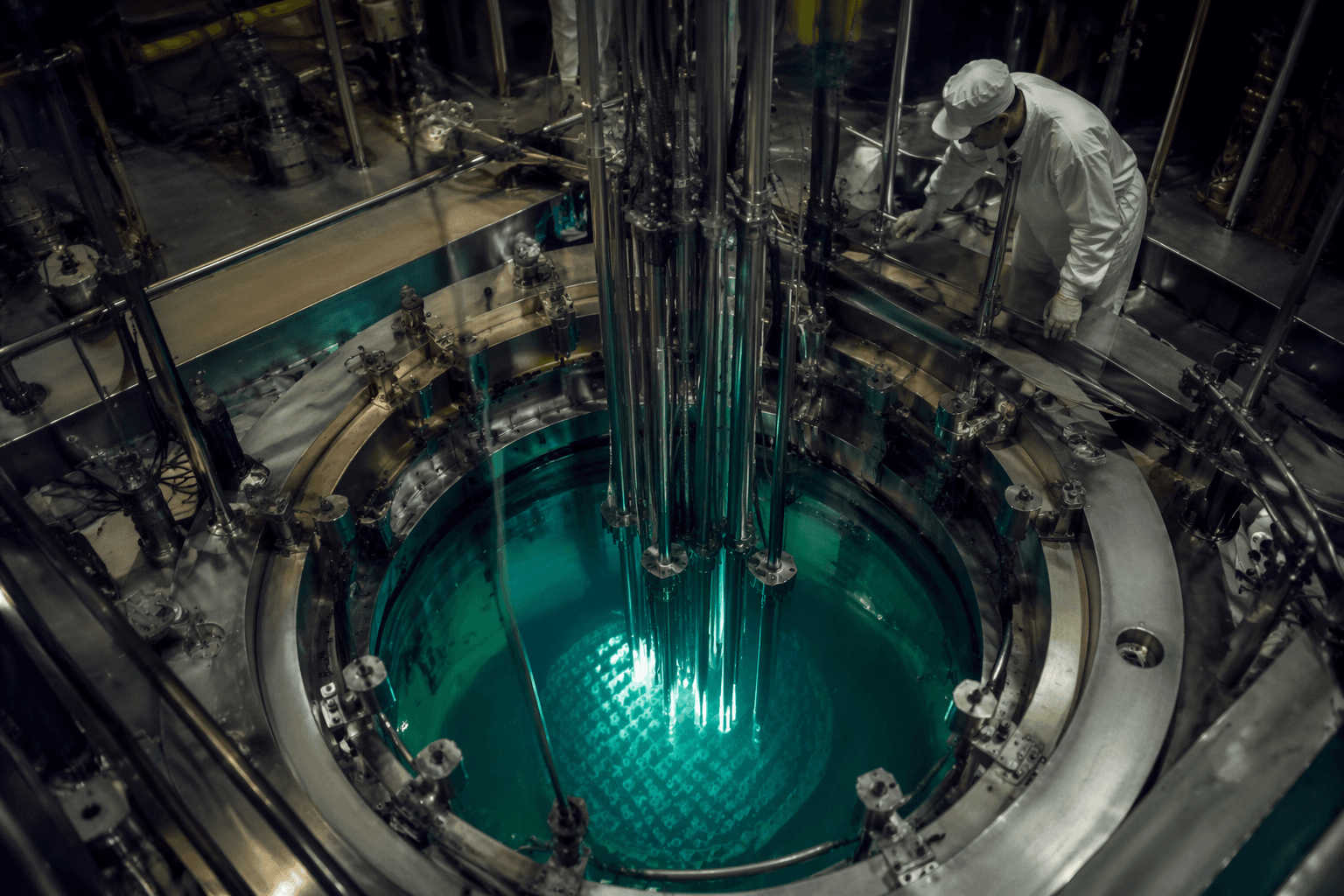
The heart of the next phase is still the same rare testbed in Kurchatov. JAEA describes the IGR research reactor as the only experimental reactor in the world capable of fuel melting at the fuel-assembly scale, which is what gives the work its edge: engineers can watch fuel behavior under conditions that are as close as possible to an actual severe accident without crossing into guesswork. NNC says EAGLE-4 will include several in-pile experiments, 12 out-of-pile experiments and a series of small-scale tests, and the two sides are discussing continuation of the project through 2031.
The paperwork was already being lined up months before the signing. A technical meeting in Kurchatov on April 13-15, 2026, with specialists from NNC RK, JAEA and Marubeni Utility Services, Ltd., focused on contract documents, legal and financial issues, technical specifications, calculations and implementation risks. NNC also tied the work to Japan’s JSFR, saying EAGLE-4 continues the effort to substantiate the design of Japan’s fourth-generation sodium-cooled fast reactor.
That is the real value of EAGLE-4: not the signature itself, but the hard evidence needed to show that if molten fuel ever starts moving through a fast core, it gets out before the reactor gets away from its designers.
This article was produced by Prism’s automated news system from verified source data, official records, and press releases, then run through automated quality and moderation checks before publishing. The system is built and supervised by the people who set the standards it runs under. Read our full AI policy.
Did this article answer your question?