Japan sets first post-Fukushima reactor replacement targets for 2040s, 2050s
Japan has sketched its first post-Fukushima reactor replacement numbers: up to five units by the 2040s and 11 to 14 by the 2050s.
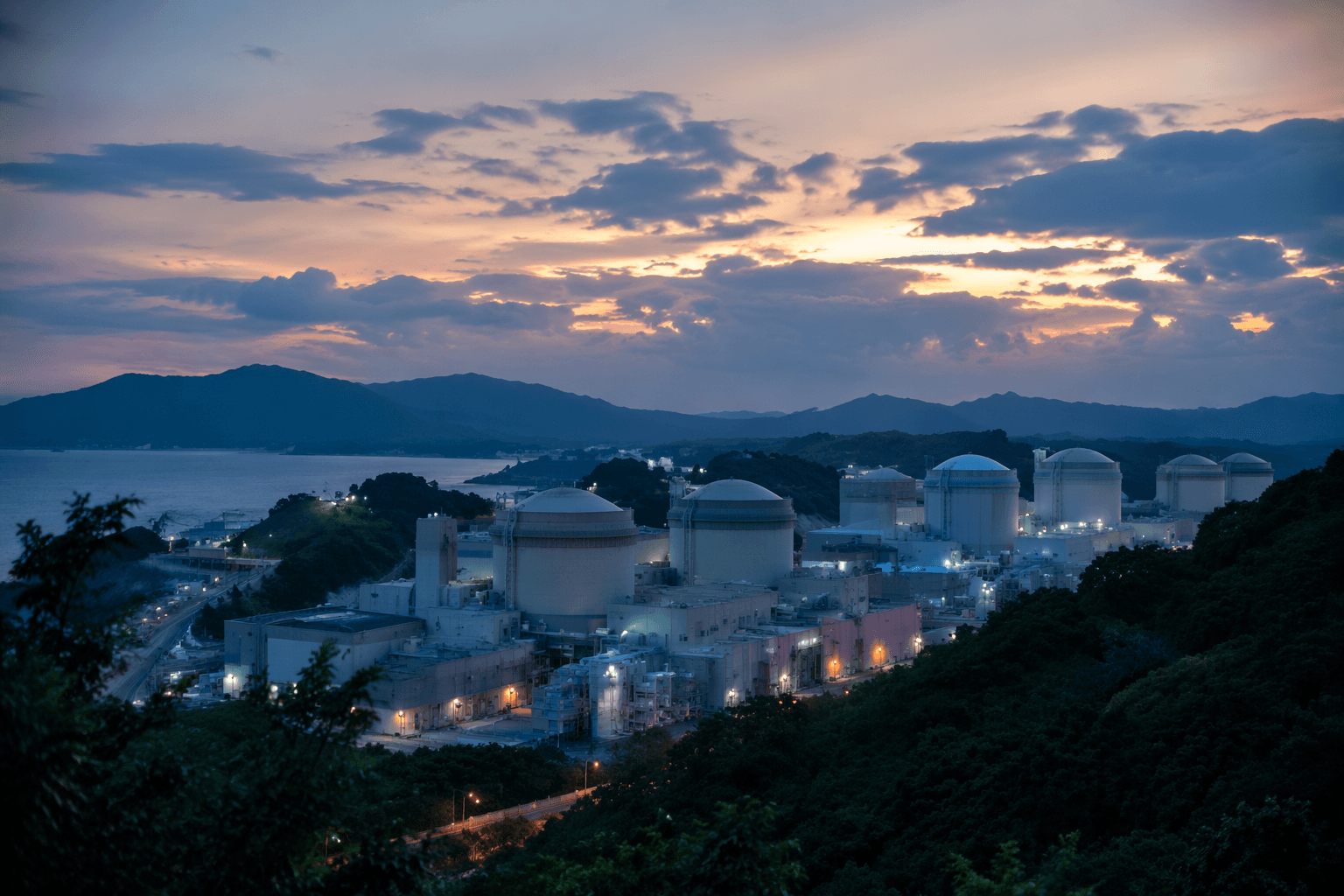
Japan’s Ministry of Economy, Trade and Industry has put a hard number on something the country had avoided for years: replace up to five reactors by the 2040s and 11 to 14 by the 2050s. For nuclear watchers, that is the first official replacement target since the Fukushima Daiichi accident and the clearest sign yet that Tokyo is trying to manage the existing fleet like long-term industrial infrastructure, not just emergency restart material.
The draft was presented to a subgroup of the Advisory Committee for Natural Resources and Energy, and it sits inside the 7th Strategic Energy Plan that the Cabinet approved in February 2025. That plan shifted Japan’s nuclear policy from reduction to maximum use and set a goal of about 20% nuclear power in fiscal 2040, with renewables at 40% to 50% and thermal generation at about 30% to 40%. The replacement draft is the next step: a fleet-replacement roadmap that turns the macro mix target into an asset-management problem.
The numbers matter because Japan’s current operating-life cap is 60 years, and the country is running into that ceiling fast. More than 3 million kW of existing nuclear capacity is expected to hit 60 years before 2040, and another 11 reactors are expected to reach the limit by fiscal 2050. Japanese reporting said the 2040s scenario implies a shortfall of about 5.5 million kilowatts, roughly equal to five reactors, which is why METI is treating replacement capacity as a need, not a nice-to-have.

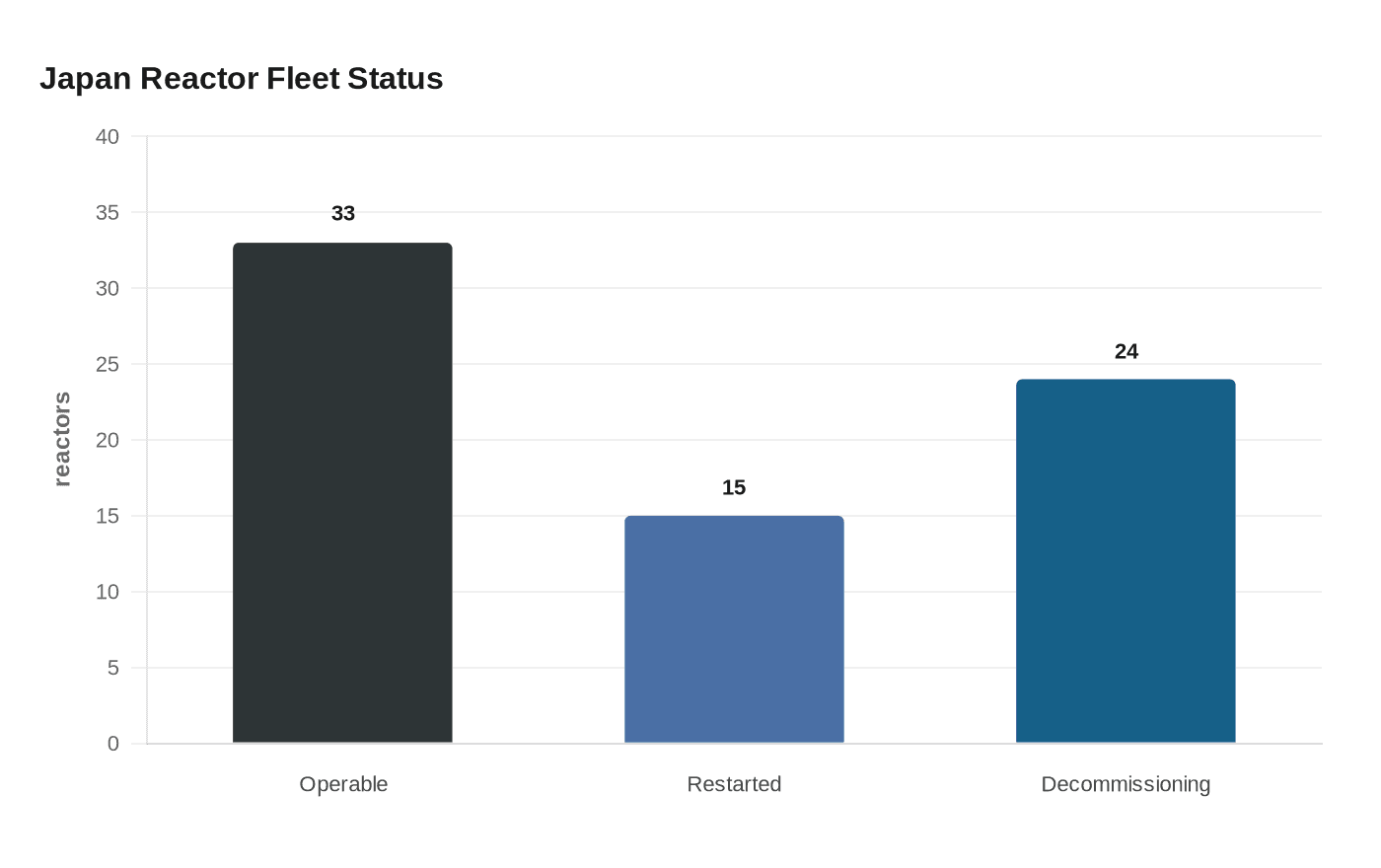
That still does not make a new-build program automatic. Japan’s reactor replacement plan faces the same friction that has shaped every nuclear decision since 2011: expensive projects, political sensitivity over public acceptance, and years of safety reviews and restart fights. Of the 33 nuclear units that remain operable, 15 have restarted. Another 24 reactors are already in decommissioning work at 11 nuclear power stations, a reminder that replacing old capacity in Japan will have to happen while the country is still unwinding part of the Fukushima-era legacy.
The policy reset is being driven by more than climate rhetoric. Japan is looking at heavier electricity demand from AI, data centers, and semiconductor manufacturing, plus the grind of fossil-fuel import dependence and energy security. Possible replacement sites cited in Japanese reporting include Mihama in Fukui Prefecture and the Sendai complex in Kagoshima Prefecture. If METI’s draft survives the next round of review and reaches formal approval later in 2026, the real signal is not just that Japan wants more nuclear power. It is that Tokyo finally expects its aging reactor fleet to be replaced, unit by unit, instead of simply hoping the old stations can be stretched forever.
This article was produced by Prism’s automated news system from verified source data, official records, and press releases, then run through automated quality and moderation checks before publishing. The system is built and supervised by the people who set the standards it runs under. Read our full AI policy.
Did this article answer your question?