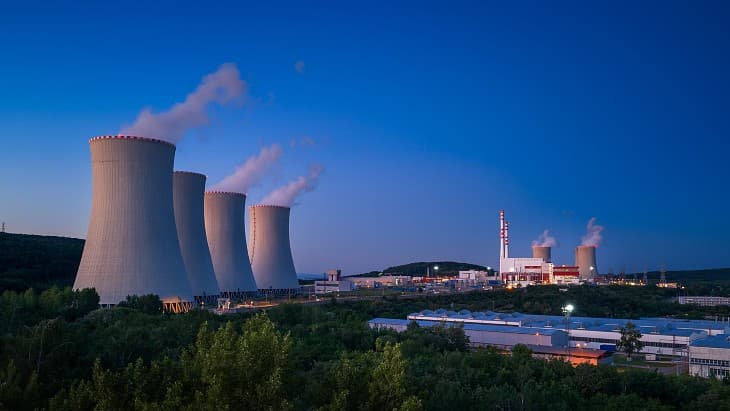
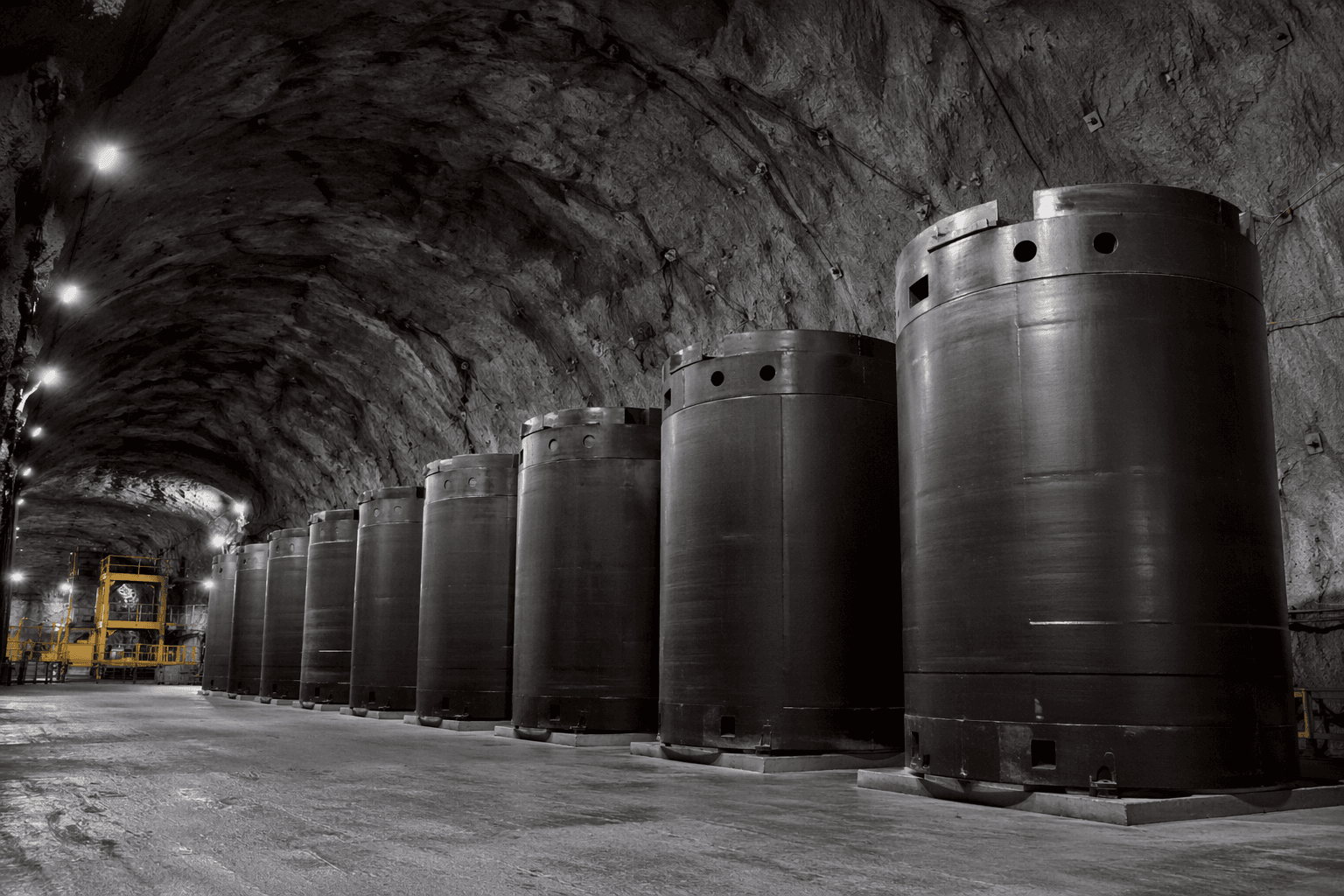
Kairos Power Breaks Ground on Hermes 2 Reactor in Oak Ridge
Kairos Power’s Hermes 2 just moved from licensing to dirt work in Oak Ridge, becoming the first power-producing Gen IV reactor with a US construction permit.
_21267.jpg&w=1920&q=75)
Kairos Power has moved Hermes 2 out of the paper stage and onto a real site in Oak Ridge, Tennessee. The groundbreaking turned one of the US advanced-reactor sector’s most watched projects into visible construction work, and it did so with a rare combination of milestones: Hermes 2 is Kairos Power’s first commercial-scale reactor, and it is the first power-producing Gen IV reactor to receive a construction permit from the US regulator.
That matters because the hard part in advanced nuclear has never been writing the design brief. It has been taking a reactor concept through licensing, then into civil construction, procurement, and the supply-chain choreography that decides whether a project stays theoretical or becomes a plant. Hermes 2 now sits at that transition point. The permitting box is checked, the site work has started, and the project is no longer just a regulatory headline.
The groundbreaking also gives Kairos Power a concrete first step under its 2024 agreement with Google, which ties the reactor program to a major industrial customer looking ahead to future clean firm power. For a sector that has spent years promising deployable Gen IV systems, that link between a permitted reactor and a named buyer gives Hermes 2 more weight than a typical announcement. It is a live project with a customer pathway attached, not just a demonstration of engineering ambition.
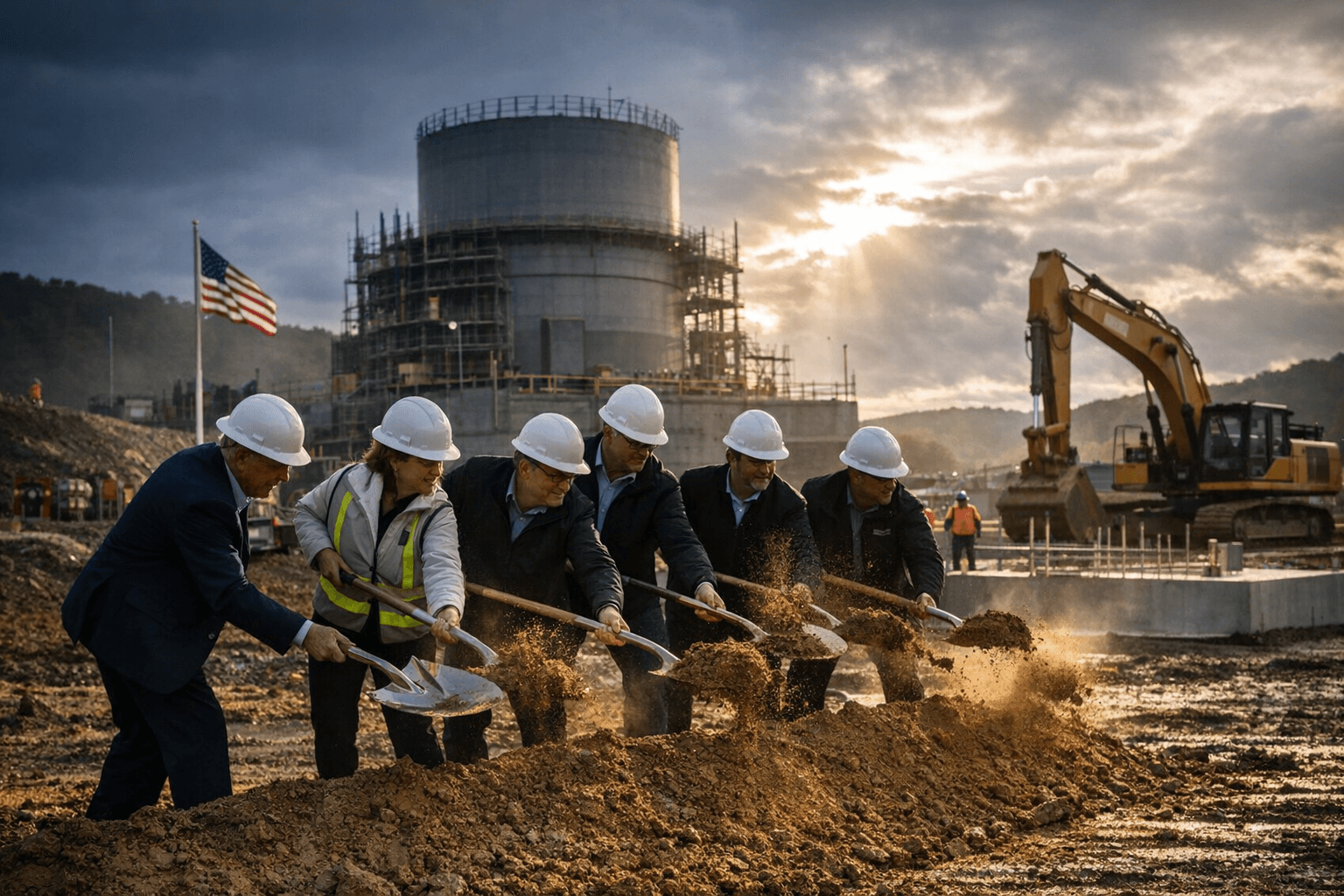
Oak Ridge is a fitting place for that step. The city sits inside one of the most important nuclear innovation ecosystems in the United States, with the kind of workforce, laboratory presence, and supplier network that can make an early build more manageable than a greenfield project in a less established location. That local infrastructure does not guarantee smooth execution, but it gives Kairos Power a serious advantage as the project moves from site preparation into construction.
If Hermes 2 keeps advancing as planned, it could become the most credible proof yet that a Gen IV reactor can move through the US commercial pipeline and into physical deployment. For investors, vendors, utilities, and industrial customers waiting for more than licensing paperwork, the significance is plain: the first shovel is in the ground, and the next sequence of civil works has begun.
This article was produced by Prism’s automated news system from verified source data, official records, and press releases, then run through automated quality and moderation checks before publishing. The system is built and supervised by the people who set the standards it runs under. Read our full AI policy.
Did this article answer your question?