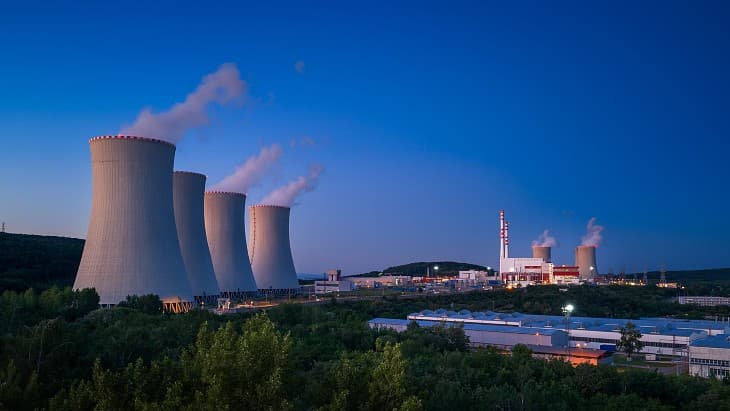
Kursk II nuclear plant hits 2 billion kWh milestone in Russia
Kursk II’s first VVER-TOI unit passed 2 billion kWh soon after grid connection, but the figure proves output, not years of reliability or clean replacement of the RBMK fleet.
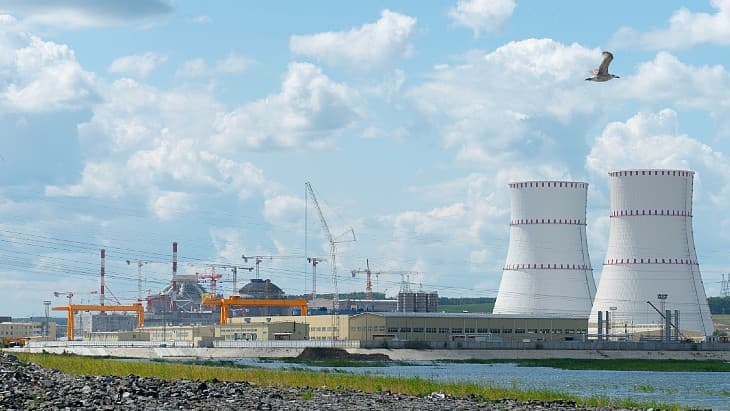
Kursk II’s first VVER-TOI unit crossed 2 billion kWh before it had even built much of an operating track record, a useful number for Rosatom, but not the same thing as a long proof of reliability. Rosenergoatom said Unit 1, which entered commercial operation on 1 May 2026, is Russia’s most powerful power unit, with a VVER-TOI reactor rated at 1,252 MW and positioned as a modern flagship for the country’s grid.
The milestone is real enough. The unit was connected to the grid in December 2025, and by 22 May it had already generated more than 2 billion kWh. That tells you the reactor is producing at scale and feeding electricity into the Unified Energy System, but it does not tell you how the design will hold up through years of refuelling outages, component wear, load changes, or the kind of operating history that separates a smooth commissioning run from a dependable fleet standard.
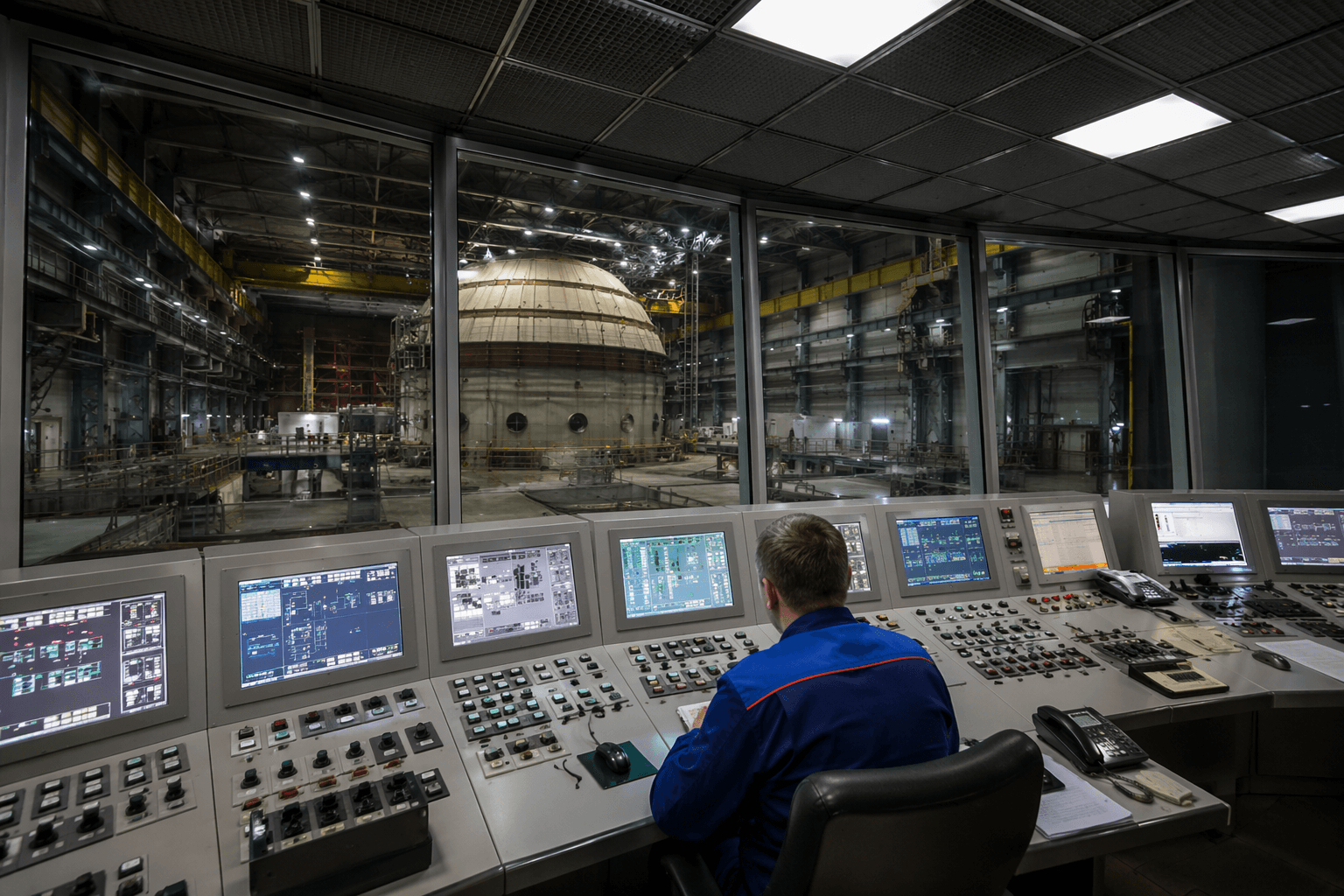
That distinction matters at Kursk because the new plant is not being built in a vacuum. Kursk II, in western Russia near the older Kursk nuclear power plant and roughly 60 kilometers from the Ukraine border, is planned for four VVER-TOI reactors with total capacity of about 5,000 MW. Rosatom says construction is underway on Units 2 and 3 as well, and it has cast the first unit as evidence of progress on a larger replacement program rather than a standalone reactor achievement.
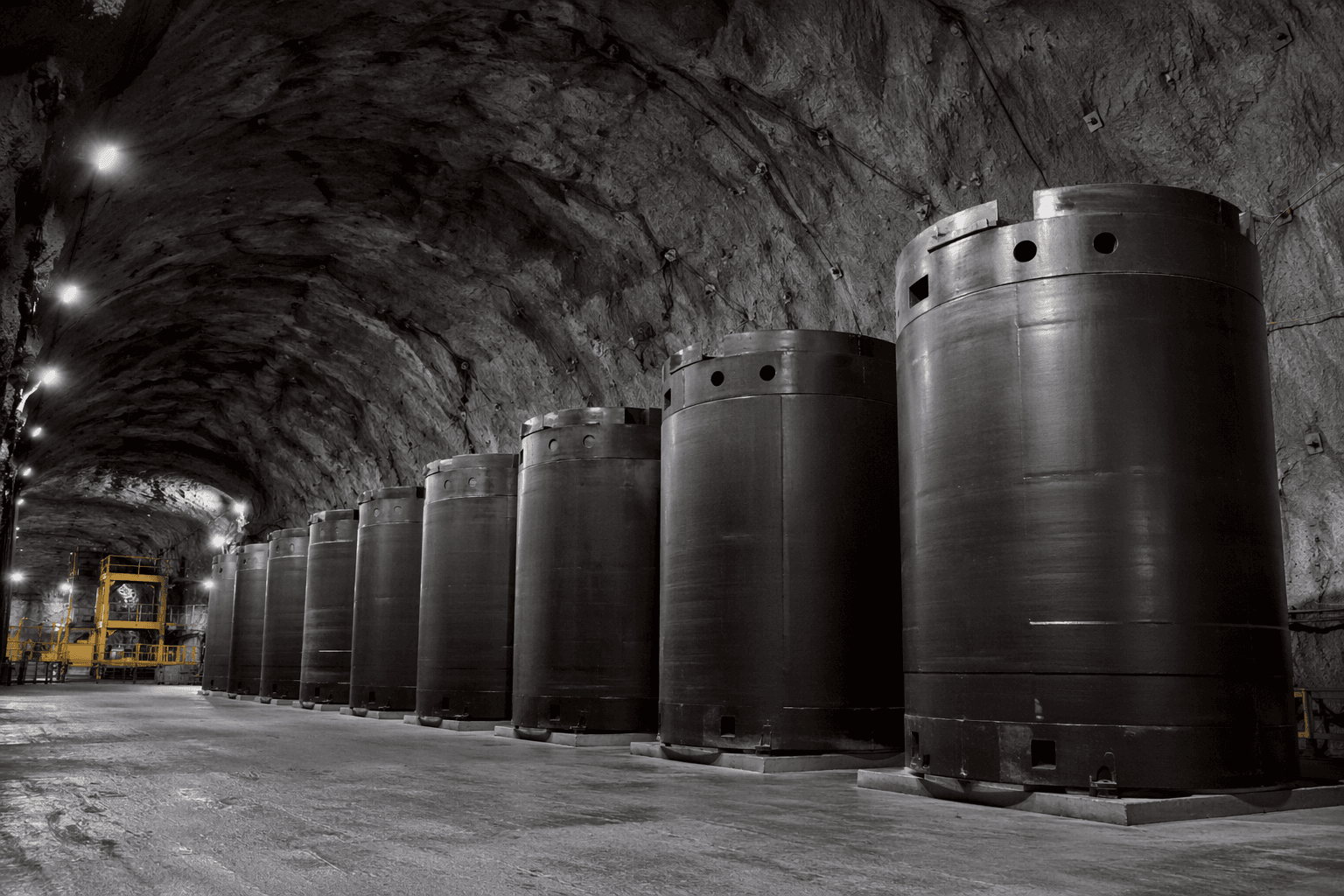
The replacement target is the old RBMK-1000 fleet at the nearby Kursk Nuclear Power Plant. Kursk Unit 1 was shut down in December 2021, and the second RBMK-1000 unit stopped generating power at 04:01 Moscow time on 31 January 2024 after 45 years of service. Rosenergoatom said that unit produced more than 256 TWh over its lifetime. The remaining RBMK units are scheduled to be decommissioned by 2031, so Kursk II has to do more than make headlines, it has to keep the region supplied while the old Soviet-era machines are retired one by one.
Rosenergoatom has leaned hard on the image of a cleaner, more advanced plant, saying the first unit uses advanced digital solutions and meets modern safety and efficiency standards. That is the state-backed message. The harder test is still ahead: whether a 2 billion kWh milestone becomes the start of a durable operating record, or just a polished marker on the way to replacing an aging RBMK fleet under the shadow of a security situation the IAEA said in August 2024 posed serious risks at the site.
This article was produced by Prism’s automated news system from verified source data, official records, and press releases, then run through automated quality and moderation checks before publishing. The system is built and supervised by the people who set the standards it runs under. Read our full AI policy.
Did this article answer your question?