Leningrad II-3 installs 120-tonne core catcher for reactor safety
A 120-tonne core catcher was set into Leningrad II-3, marking a major safety milestone as the VVER-1200 moves deeper into reactor-equipment installation.
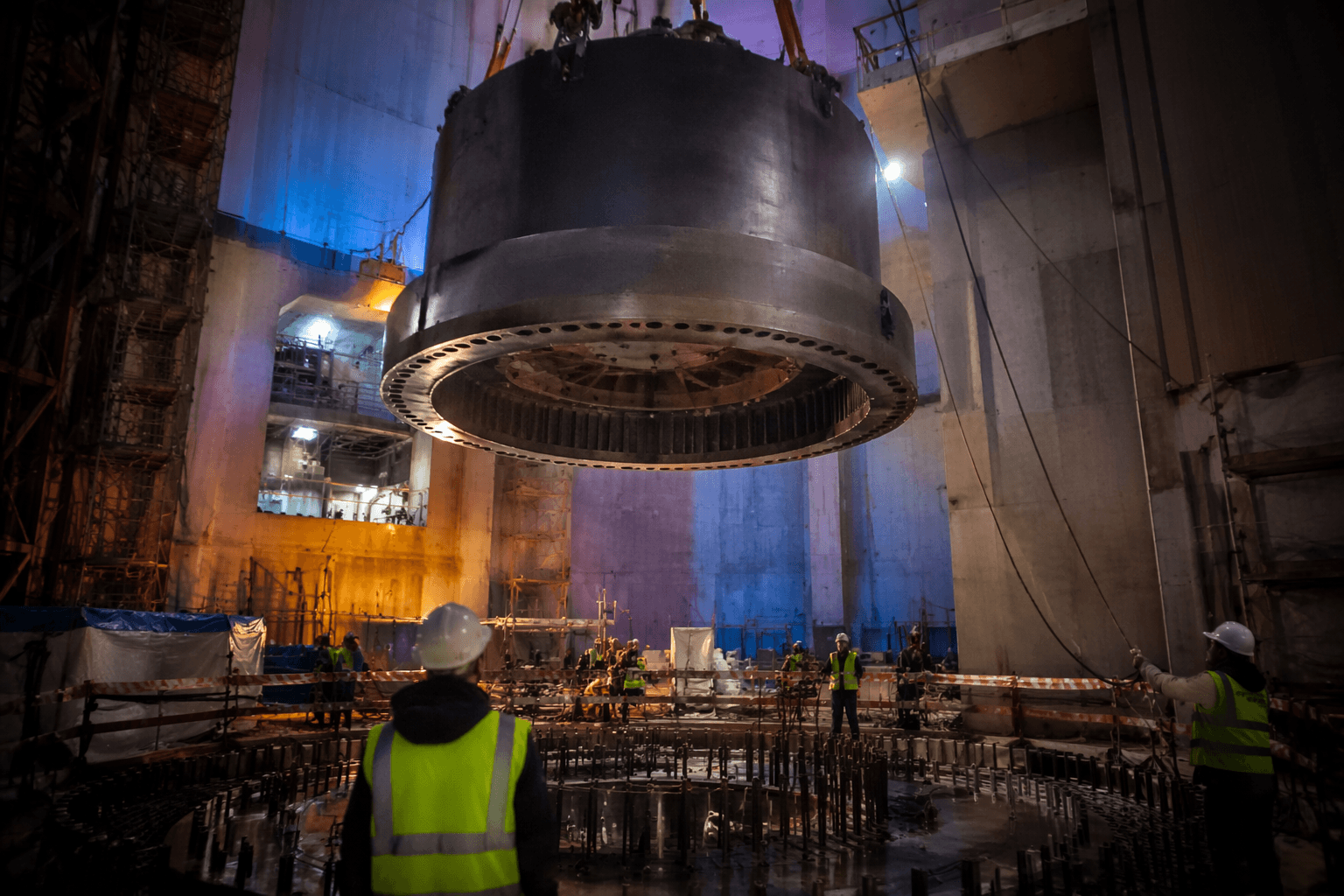
A 120-tonne core catcher went into the reactor containment shaft at Leningrad II-3, turning a major safety component from shop-floor hardware into part of the plant itself. Titan-2 Holding specialists lowered the device into place on June 11, a step that matters because the catcher is the last passive barrier in a severe accident case, built to trap molten core material and keep radioactive products inside containment.
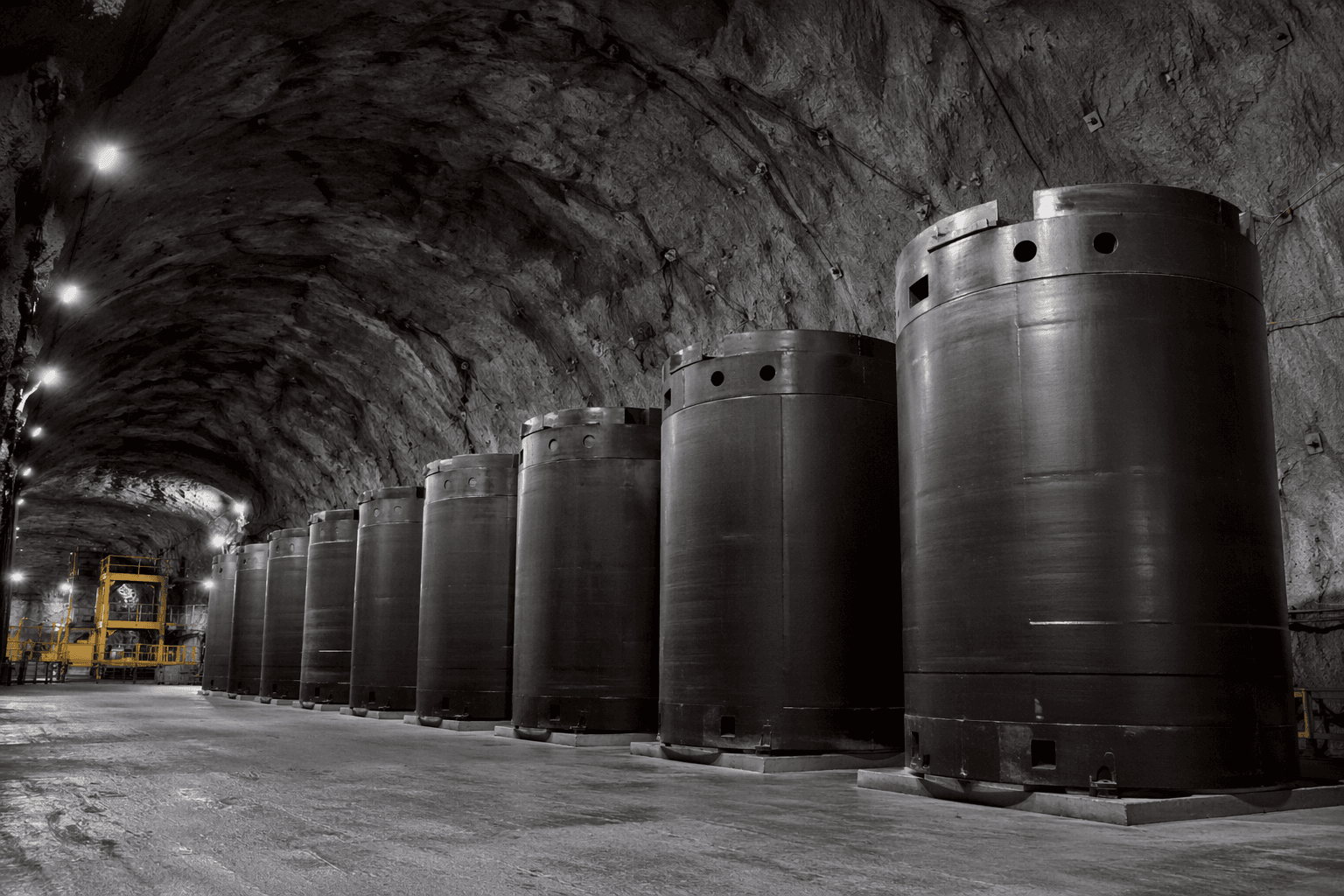
This is not a routine construction lift. The cone-shaped catcher, made of thermally resistant steel, is one of the principal passive safety systems in the VVER-1200 design, and Titan-2 Holding says every Russian VVER-1200 Generation III+ unit is fitted with one. Its job is brutally simple: receive, spread and cool the melted materials from the reactor zone, reactor internals and reactor vessel until they fully crystallize. The safety logic is defense-in-depth, with the catcher backing up the reactor design, construction quality, commissioning work and operating discipline that are supposed to keep a melt scenario firmly in the hypothetical column.
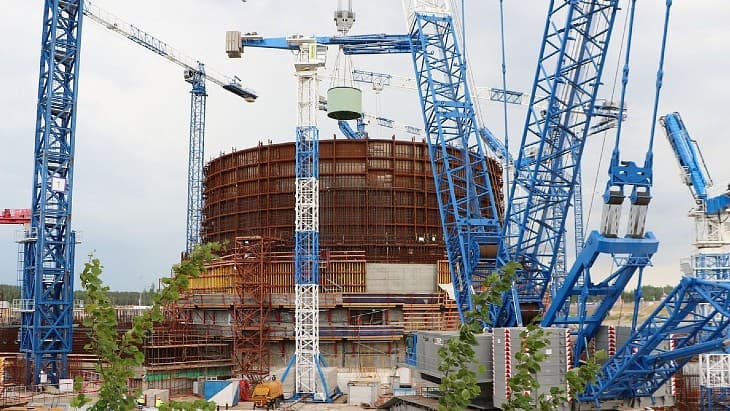
The installation also marks a clear construction milestone for the plant’s third new VVER-1200 unit, known as Leningrad II-3 and counted as the seventh unit overall at Leningrad Nuclear Power Plant. By the time the catcher was lifted in, Rosatom had already reported the second tier of the inner containment in March 2026, pushing the inner containment height to 22 metres. The first tier went in back in September 2025, when World Nuclear News reported a lower tier 10 metres high, 44 metres in diameter and weighing 227 tonnes. Titan-2 Holding says the shaft is already more than half complete and loaded with hundreds of tonnes of equipment, with more structural work, instrumentation and concreting still ahead before reactor vessel assembly, which could begin as early as next year.
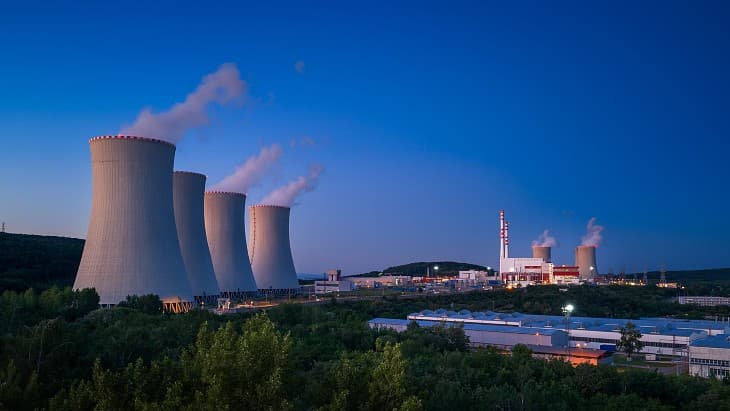
The wider project is moving in lockstep with that hardware sequence. Rosatom said first concrete for unit 7 was poured in March 2024, starting main construction on a unit expected to run for 60 years, with a possible 20-year extension. Leningrad II already has two operating VVER-1200 units, commissioned in 2018 and 2021, and the new units are meant to replace the site’s original four RBMK-1000 reactors from the 1970s. At Russia’s largest operating nuclear power station, and the country’s only plant running both RBMK and VVER types, the core catcher is the kind of heavy, unglamorous milestone that tells you the project is past the point of paper progress and into the safety architecture that will define the unit’s future.
This article was produced by Prism’s automated news system from verified source data, official records, and press releases, then run through automated quality and moderation checks before publishing. The system is built and supervised by the people who set the standards it runs under. Read our full AI policy.
Did this article answer your question?