NASA’s SNAPPY CubeSat begins testing solar neutrino detection in orbit
A half-pound detector in a CubeSat is now in polar orbit, where SNAPPY will test whether solar neutrinos can be found without deep-underground shielding.
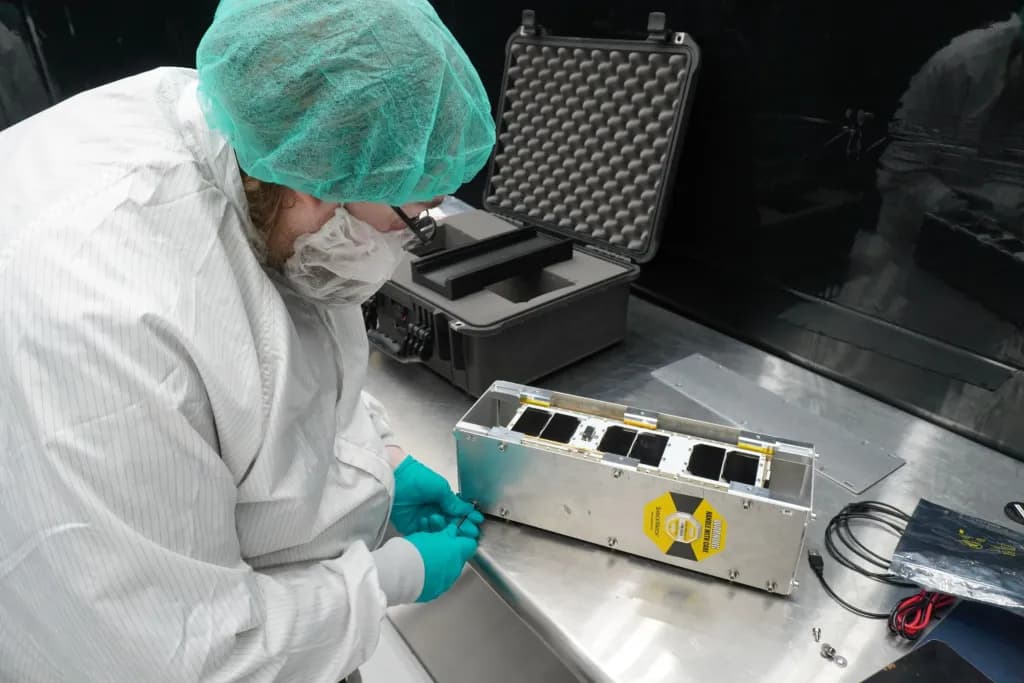
A half-pound detector packed into a CubeSat is now in low Earth polar orbit, and that is the real leap here. SNAPPY, the Solar Neutrino Astro-Particle PhYsics CubeSat, launched on May 3 aboard a SpaceX Falcon 9 from Space Launch Complex 4 East at Vandenberg Space Force Base and was deployed by Exolaunch as part of the CAS500-2 rideshare mission.
What makes the spacecraft unusual is not its size, but what NASA has squeezed into it. The detector carries four crystals, a shielding block made from epoxy loaded with tungsten dust to match the density of steel, and an electronics stack for power and readout inside a CubeSat platform from Kongsberg NanoAvionics. NASA describes the mission as a university-designed small spacecraft supported through the Space Technology Mission Directorate, built to test a prototype solar neutrino detector in orbit rather than in a deep underground lab.
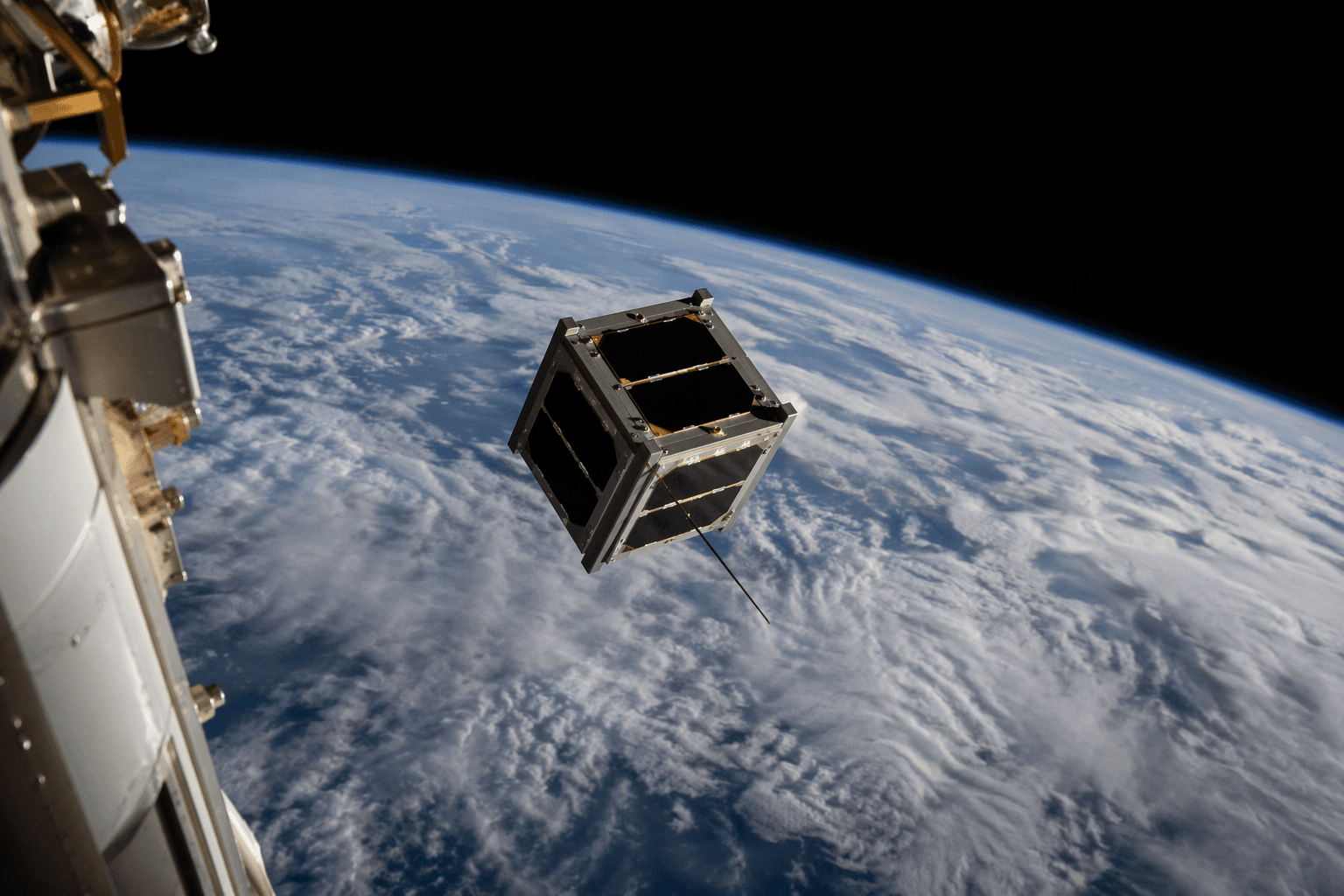
That shift matters because the Sun is an unusually rich neutrino source. NASA says the solar neutrino flux near the Sun is nearly 1,000 times stronger than what reaches Earth, and its concept study says those particles are produced in the Sun’s core and could be studied from an orbit not in the ecliptic plane. If the hardware can sort true neutrino interactions from false hits caused by other particle events or instrumental effects, it would open a new route for particle astrophysics, especially in a close-orbiting mission where event rates would be higher.
The science case comes straight out of nuclear physics. The Department of Energy says the Sun’s energy comes from nuclear fusion reactions, including the proton-proton chain, while NASA notes that sunlight can take 50,000 to 100,000 years to work its way out from the core, even as neutrinos escape directly. That makes neutrinos unusually clean messengers of what is happening inside the Sun right now. The idea also sits on familiar ground for the field: the Sudbury Neutrino Observatory first showed in 2002 that electron neutrinos from solar reactions change type as they travel, and SNO+ continues to measure them from beneath about 2 kilometers of rock.
Nick Solomey, a Wichita State University professor of mathematics, statistics, and physics, said the work has been building since 2021, when NASA gave the university a $2 million grant to flight test the detector. The team has worked on the CubeSat since then, using SNAPPY as a first pass at something the field has wanted for decades: a space-based neutrino instrument that could eventually fly closer to the Sun, the way Parker Solar Probe did after its launch on August 12, 2018, and turn a tiny CubeSat into a serious tool for both solar physics and space radiation studies.
This article was produced by Prism’s automated news system from verified source data, official records, and press releases, then run through automated quality and moderation checks before publishing. The system is built and supervised by the people who set the standards it runs under. Read our full AI policy.
Did this article answer your question?


