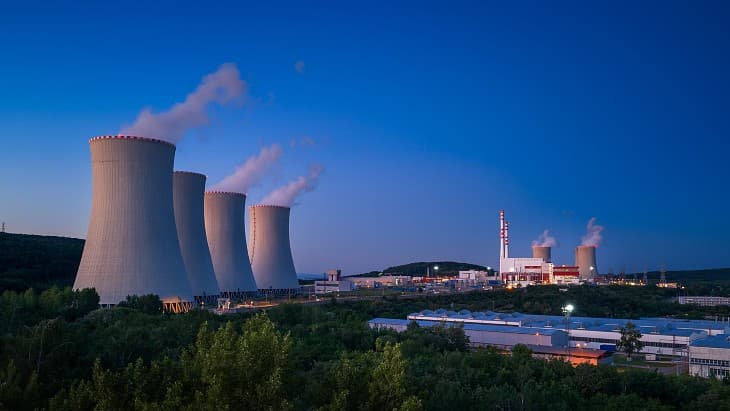
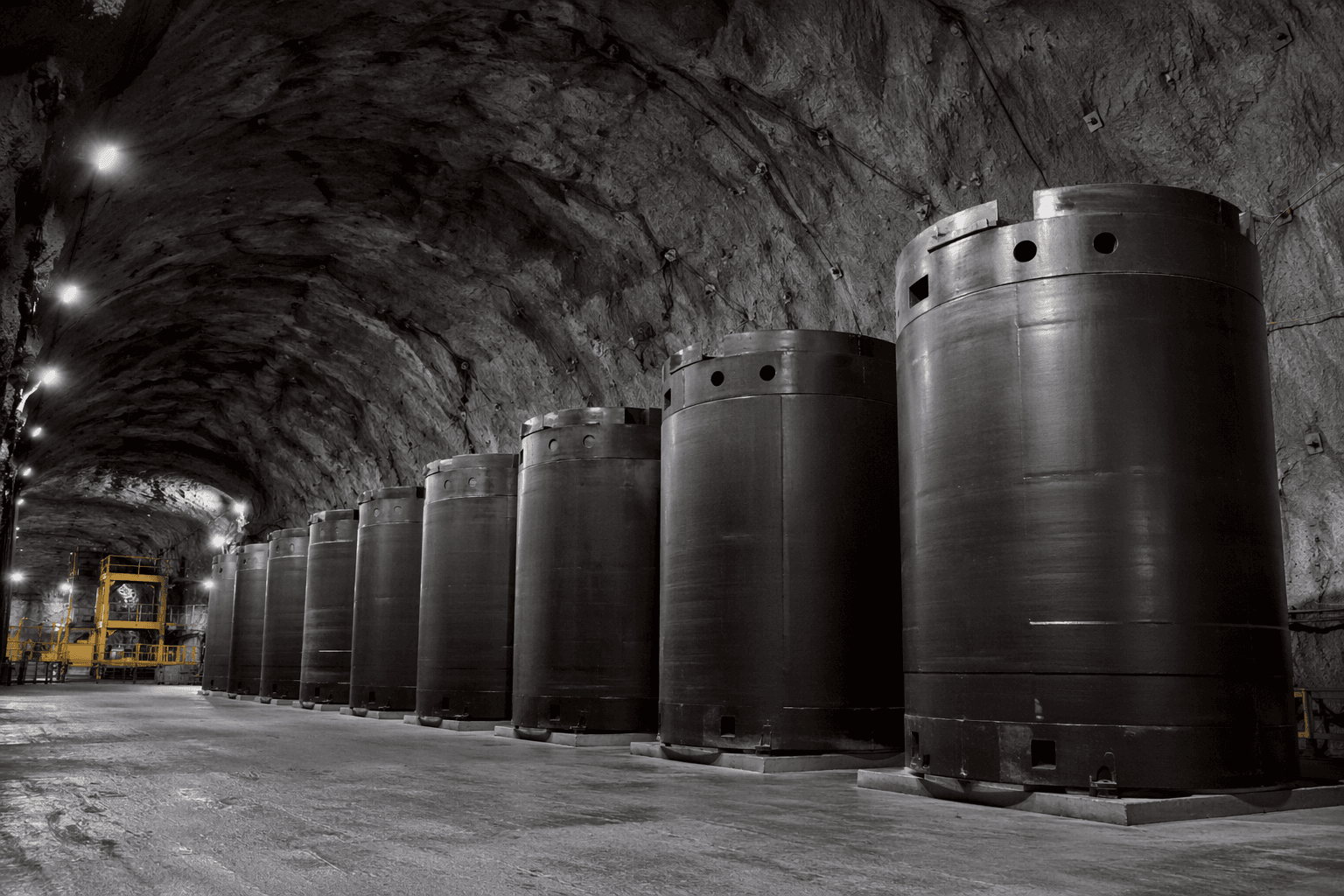
National Reactor Innovation Center seeks commercial-ready nuclear startups for Launch Pad
NRIC is asking startups to bring a commercialization plan, not just a reactor concept. The new Launch Pad ties test beds, labs, and regulators to the hard part: first deployment.
The National Reactor Innovation Center is no longer offering just a proving ground. With its Nuclear Energy Launch Pad, NRIC is asking advanced nuclear developers to show how they will move from a pilot system to a marketable product, and that shifts the program from pure demonstration into commercial discipline.
That matters because the old model stopped short of the market. The earlier Reactor Pilot Program and Fuel Line Pilot Program were built to move reactor and fuel concepts through technical and regulatory milestones faster, but the reactors were still framed as research, development, and demonstration systems, not commercial power sources or services. Launch Pad extends that framework and pushes applicants to show both a technology maturity plan and a commercialization strategy, which is a tougher ask and a more realistic one for companies that want to build repeatable hardware, not just one-off prototypes.

DOE and NRIC announced the program on March 5, saying it was meant to help private industry accelerate advanced nuclear technologies. By then, DOE had accepted 11 projects into the Reactor Pilot Program and nine into the Fuel Line Pilot Program. NRIC then opened the public request for applications on April 29, with questions due June 19 at 5 p.m. MDT and applications due July 8 at 5 p.m. MDT. NRIC said applications would be reviewed on a continual basis, and companies that had already applied to the earlier pilot programs could transfer into Launch Pad without starting over.
The structure is the real change. Launch Pad INL centers on Idaho National Laboratory, where developers can tap dedicated land, existing infrastructure, and on-site nuclear expertise. Launch Pad USA widens that model to other DOE sites, national laboratories, and non-federal locations nationwide. NRIC is also broadening the scope beyond reactor concepts to include fuel fabrication, fuel enrichment, and fuel reprocessing. On the ground, that means NRIC is trying to act less like a sponsor and more like an ecosystem coordinator, linking labs, universities, export-control know-how, and commercialization support.
The catch is just as important as the opportunity. NRIC said it is not providing funding, so participants need a contract vehicle with a university or national laboratory if they want access to expertise or facilities. The program can lower friction around siting, testing, and regulatory planning, but it cannot erase licensing risk, build a fuel supply chain, or solve first-customer economics for a startup that still has to prove someone will buy the first unit.
That is why the early selections matter. In late April, NRIC named Deployable Energy, General Matter, NuCube Energy, Idaho State University, and Radiant Industries as its first Launch Pad selections, signaling that the program is already trying to turn test-bed momentum into actual deployment. The point is not just to get a reactor running at Idaho National Laboratory. It is to make the path from concept to commercial nuclear hardware look shorter, clearer, and a lot less improvised.
This article was produced by Prism’s automated news system from verified source data, official records, and press releases, then run through automated quality and moderation checks before publishing. The system is built and supervised by the people who set the standards it runs under. Read our full AI policy.
Did this article answer your question?