NRC clears environmental review for Dow's Texas SMR project
NRC finished Long Mott’s environmental review early, clearing the site for a FONSI but not yet for construction. The Texas SMR still needs its permit to turn Dow’s industrial-site plan into a real build.
_19025.jpg&w=1920&q=75)
The NRC just removed one of the biggest early uncertainties around Dow’s Texas SMR push: environmental review is done, and it came back with a Finding of No Significant Impact. That is a real milestone for the proposed Long Mott Generating Station at Dow’s Seadrift manufacturing site, but it is not a construction license and it is not a shovel-ready verdict.
What the agency cleared on May 18, 2026 was the environmental side of the federal review for Long Mott Energy LLC’s application, docketed as NRC-2025-0079, Docket No. 50-614. The commission said the assessment finished ahead of schedule and supports consideration of a construction permit for the project. In plain terms, the site-specific environmental footprint was judged limited enough that the NRC did not need to push the review into a full environmental impact statement.
That matters because Long Mott is not a greenfield reactor pitch floating in the abstract. Dow and X-energy have described it as a four-unit, 320-MWe Xe-100 plant at Seadrift in Port Lavaca, Texas, aimed at supplying both electricity and high-temperature industrial steam to Dow’s UCC Seadrift Operations. Dow says that site produces more than 4 billion pounds of materials a year, which is exactly why the project has been framed as an industrial power-and-heat play rather than a standalone generation project.
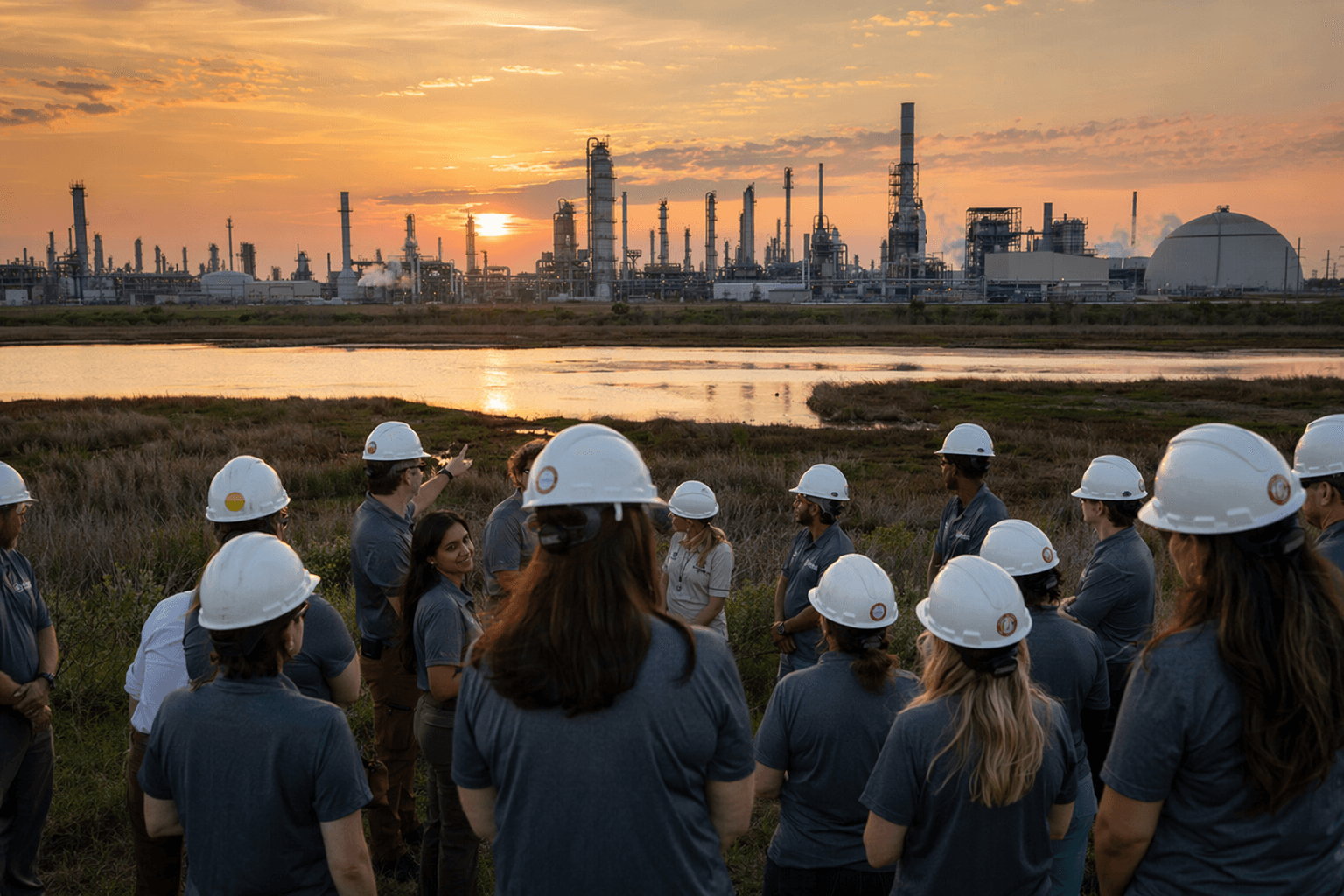
The licensing paper trail has moved in steps. The construction permit application arrived on March 31, 2025, the NRC accepted it for review on May 12, 2025, and the agency opened the environmental review in June 2025. Dow and X-energy selected Seadrift back in May 2023, and they have said the project could cut the site’s emissions by about 440,000 metric tons of CO2e a year. The Department of Energy has also said that, if approved, Long Mott would be the first advanced nuclear facility at an industrial site in the United States.
The remaining path is still the one that counts. The environmental finding clears the review lane on one side of the permit package, but the construction permit itself still has to be granted before Long Mott can move from licensing paper to site work. That is why the timeline matters: each procedural checkpoint makes the project look less like a concept and more like an actual build waiting for the rest of the federal approvals to fall into place.
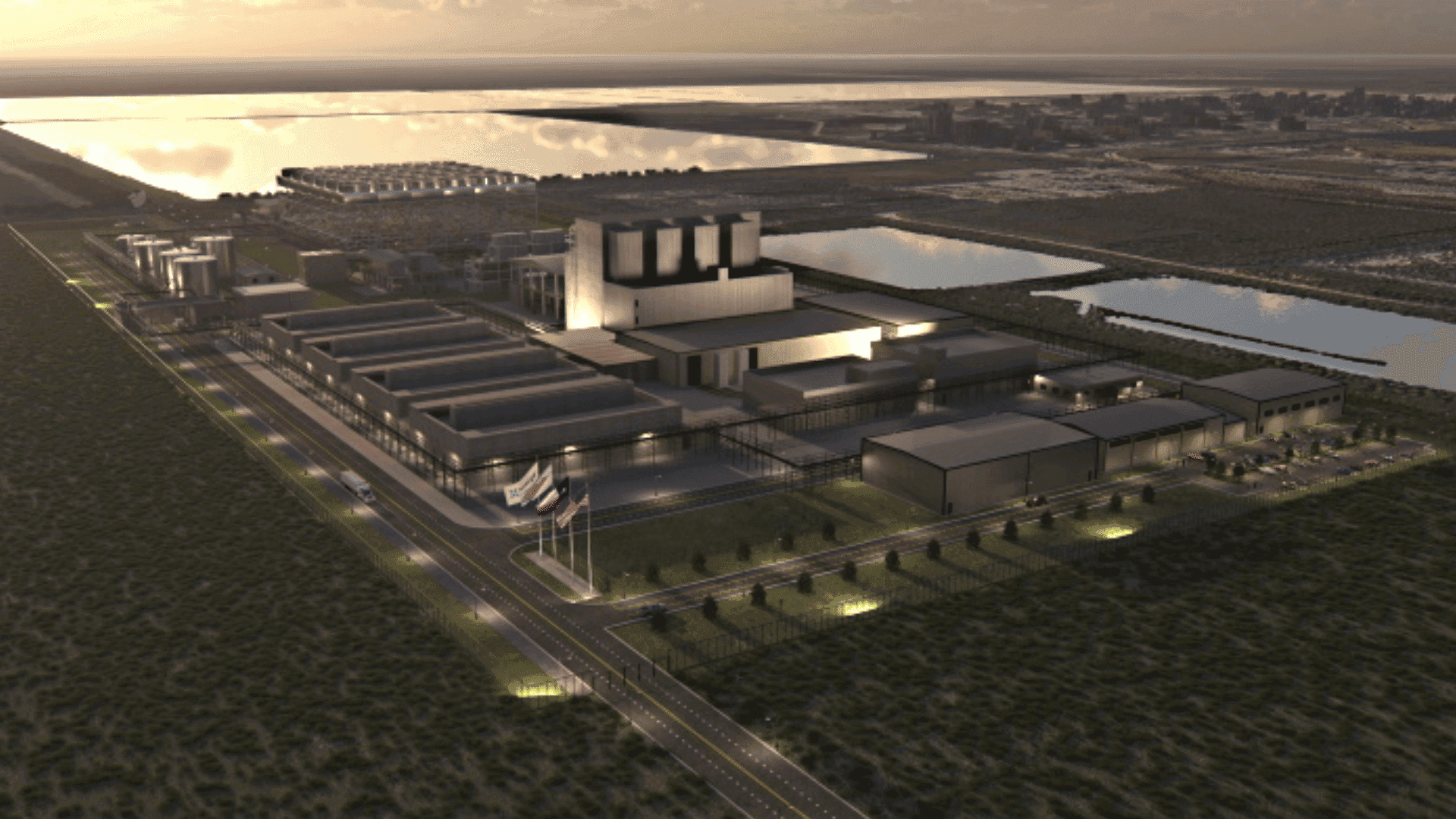
The commercial picture is moving too. In April 2026, Fluor said it signed a contract with X-energy for FEL-2 front-end engineering work on the Seadrift project, a sign that Long Mott is advancing beyond licensing into the kind of detailed project definition that usually shows up before concrete does. The NRC’s early finish does not start construction, but it does push Dow’s industrial-site reactor plan one step closer to the point where the next approvals will decide whether Seadrift becomes a nuclear precedent or just another well-advanced proposal.
This article was produced by Prism’s automated news system from verified source data, official records, and press releases, then run through automated quality and moderation checks before publishing. The system is built and supervised by the people who set the standards it runs under. Read our full AI policy.
Did this article answer your question?


