Polish physicists unveil faster method to measure proton beam energy
Polish researchers used two 9-by-9 cm scintillation plates 3.6 meters apart to time a continuous proton beam, pointing to faster checks before radiotherapy sessions.
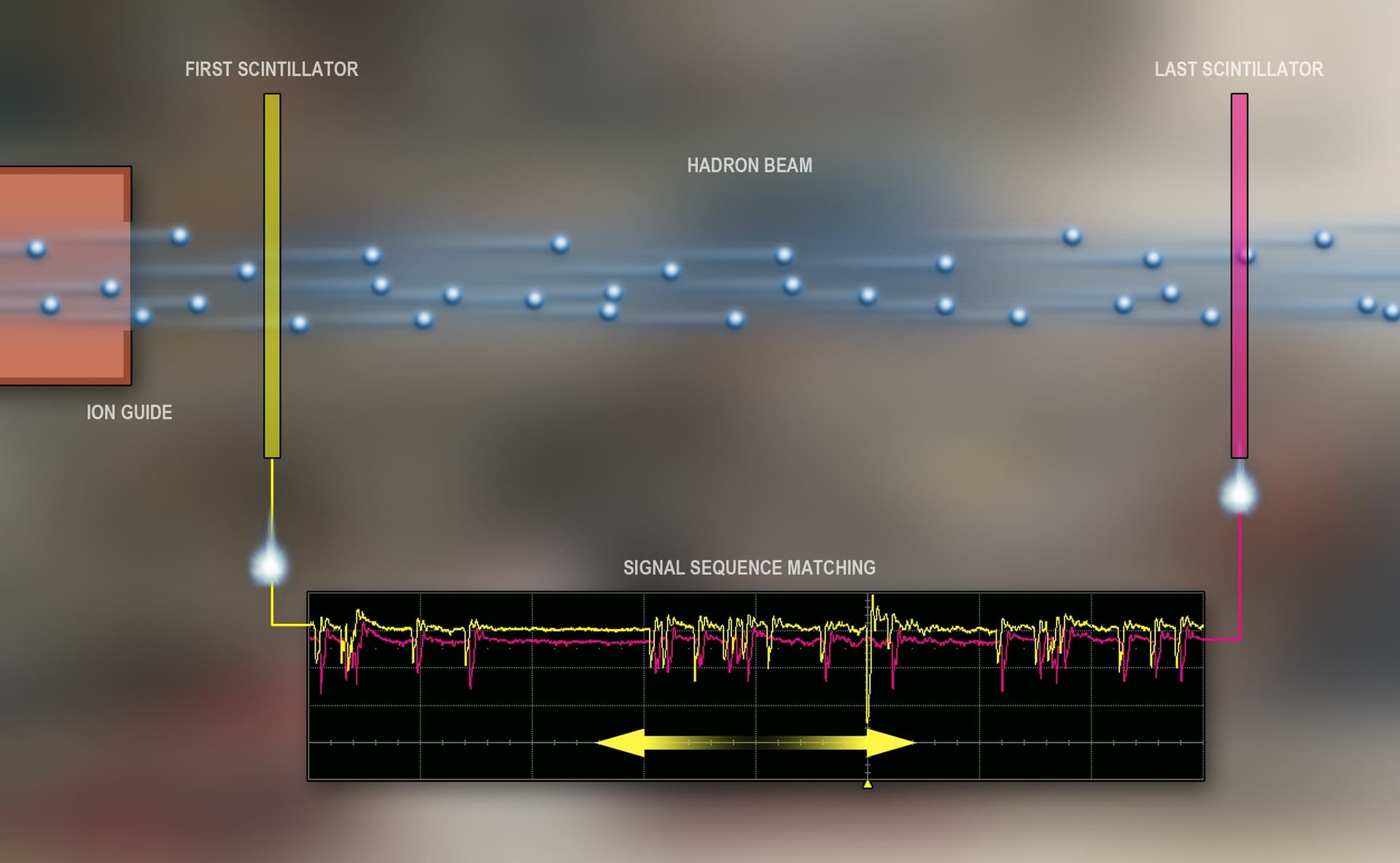
A team at the Institute of Nuclear Physics of the Polish Academy of Sciences in Cracow has tested a simpler way to verify proton beam energy, a step that matters every time a patient is lined up for treatment. The setup is built around two small scintillation plates, each 9 by 9 cm, spaced 3.6 meters apart in a continuous proton beam. When protons pass through the first plate and then the second, the flashes of light let the researchers time the flight across the gap, infer the beam speed and calculate its energy.
That is not just a neat timing trick. In proton therapy, beam energy has to be pinned down precisely so the Bragg peak lands where the treatment plan says it should, not a few millimeters short or long. If the energy is off, the dose profile shifts, which can mean under-treating part of a tumor or sending unnecessary radiation into healthy tissue. The same issue carries over into physics experiments, where beam energy sets the reaction conditions.
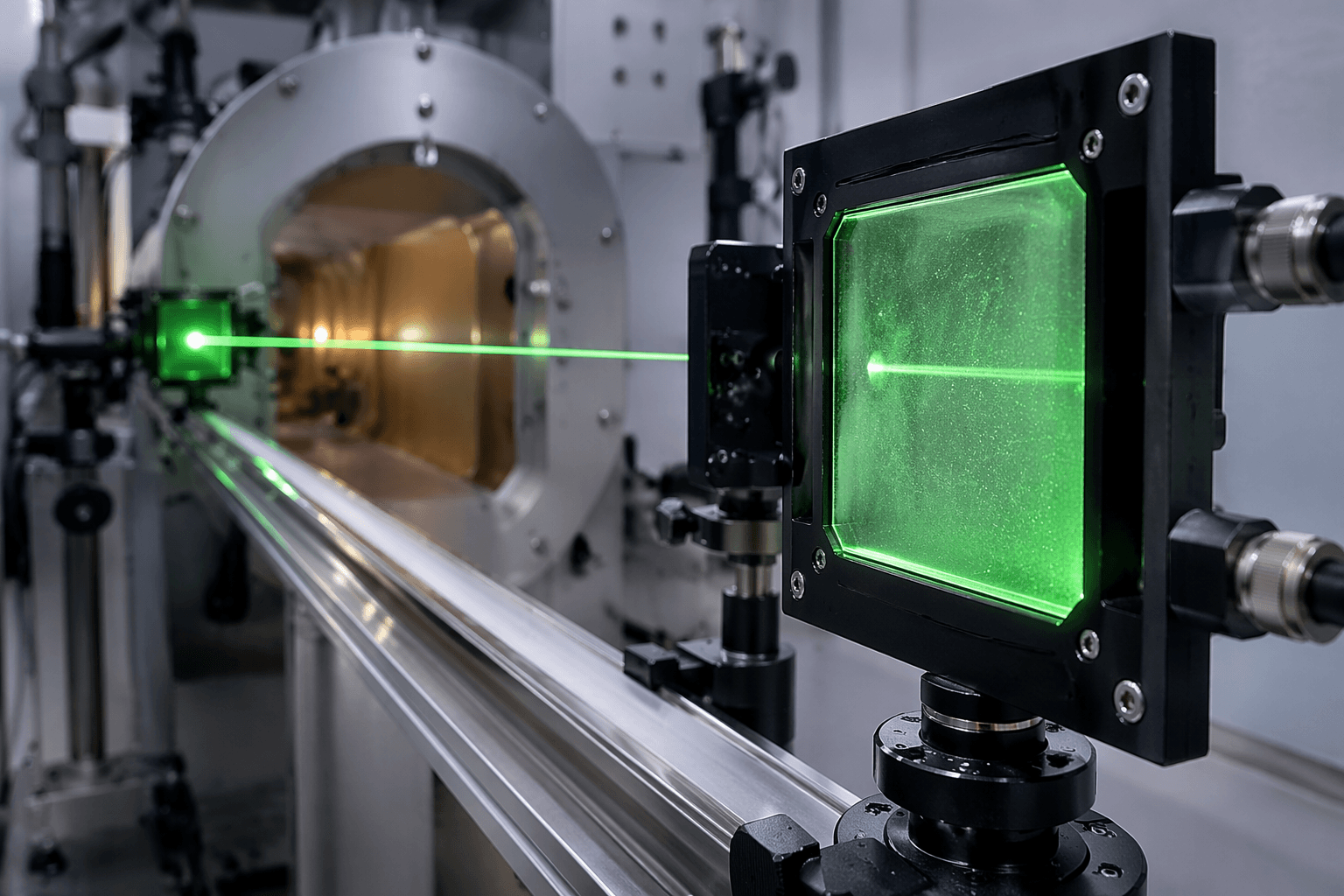
The practical value is that this method works with a continuous beam, where many protons are in flight at once and individual particles are hard to separate. Wiktor Parol, the lead author, compared the task to sorting identical cars in a motorway jam, where it is hard to tell one vehicle from another once the traffic is packed together. Jan Gajewski said the technique is cheap and easy to implement using equipment already in use, which is exactly the kind of detail radiotherapy centers care about when they are weighing a new quality-control step against a long list of routine checks.
That low-friction angle matters because the group is not arguing for a new multimillion-euro irradiation system. The same institute had already said in 2025 that better proton-beam control could be achieved with existing equipment at relatively low cost, rather than upgrades that can run into tens of millions of euros. The Department of Radiation Research and Proton Radiotherapy at the institute works on proton and heavier-ion beams for cancer radiotherapy, experimental radiobiology, radiation-damage studies, dosimetry and beam-transport modeling, so the clinical use case is baked into the program.
The bigger question is how far the method goes beyond the lab. Existing proton-therapy planning software can already account for beam quality, but it is rarely used in the clinic because quick experimental verification has been missing. That is the real test for this approach: whether it can become a routine check before nearly every treatment session, and whether it holds up alongside other range-verification ideas such as prompt-gamma timing, where a 2023 study reported millimetric sensitivity at about 235 ps FWHM in single-proton conditions. If the Polish setup proves robust, it could make beam-energy verification faster, cheaper and far easier to fold into daily radiotherapy workflow.
This article was produced by Prism’s automated news system from verified source data, official records, and press releases, then run through automated quality and moderation checks before publishing. The system is built and supervised by the people who set the standards it runs under. Read our full AI policy.
Did this article answer your question?