Romania’s Cernavoda unit 1 refurbishment hits waste storage milestone
A 3,470-cubic-metre pour at Cernavodă turned the Unit 1 refurbishment from paperwork into visible civil work, anchoring the waste plan behind the outage.
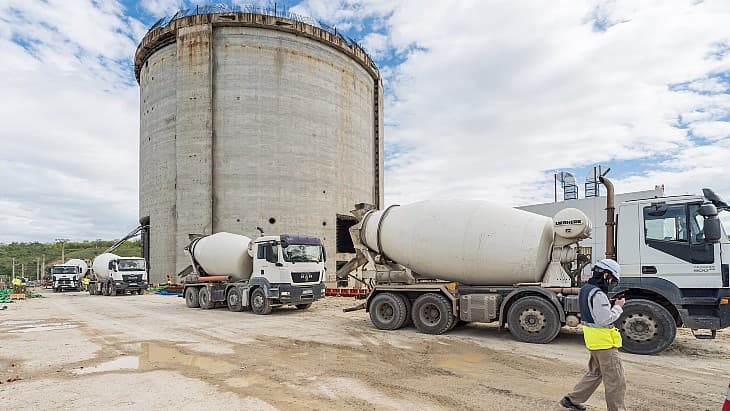
The most concrete sign yet of Cernavodă Unit 1’s refurbishment campaign was exactly that: concrete. Nuclearelectrica said it finished the first continuous pour for the foundation of the Intermediate Radioactive Waste Storage Facility, using about 3,470 cubic metres, or roughly 380 mixer-truck loads, in what it called the most complex concrete operation at the site since Unit 2 was built.
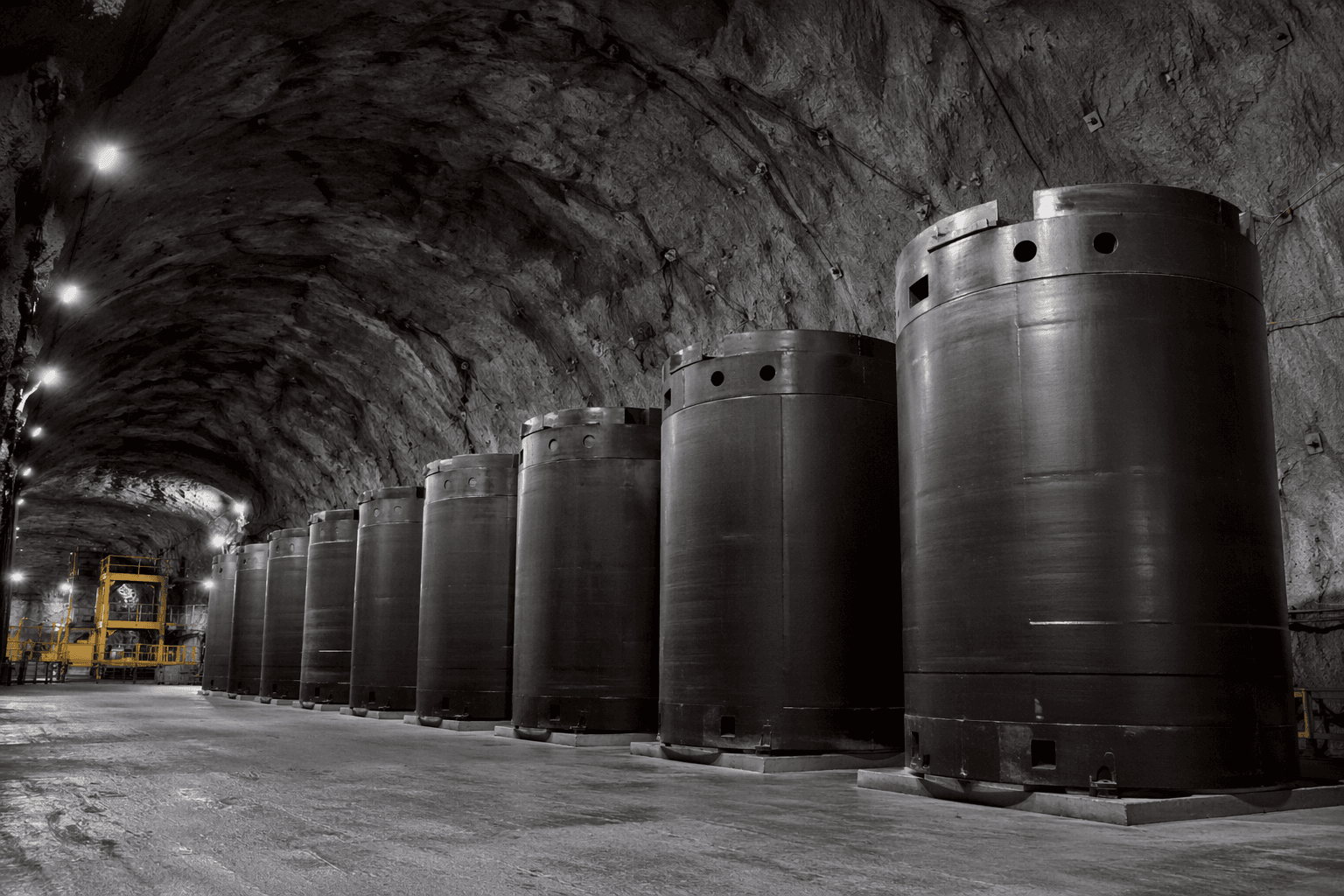
That matters because the waste facility is not a side project. It is part of the infrastructure needed to handle, process and store radioactive waste generated by the refurbishment itself, along with waste from the longer-term operation of the plant’s two units. For a project that has spent years in engineering, permits and financing, the foundation pour is the kind of milestone that shows the work has moved into heavy civil execution.
Nuclearelectrica began civil construction on September 3, 2025, after Romania’s Commission for the Control of Nuclear Activities issued a construction permit for the Interim Radioactive Waste Repository. The latest pour builds on that step and gives the refurbishment a physical footprint that can be measured in rebar, formwork and truck cycles rather than just schedules and contract language.
The Unit 1 refurbishment itself is being run in three phases. Phase I, covering 2017 to February 2022, was completed in February 2022. Phase II is the current development stage, centered on engineering, procurement, permits, financing, planning and infrastructure construction. Phase III is set for 2027 to 2029, starting with the shutdown of Unit 1 for the actual refurbishment works and recommissioning. Nuclearelectrica has said the unit should return for another 30 years of operation after the current run, with some company materials pointing to a restart after 2029 or starting in 2030.
The financing and contracting structure behind the project looks increasingly international. On December 19, 2024, Nuclearelectrica signed an engineering, procurement and construction contract worth about EUR1.9 billion with Korea Hydro & Nuclear Power, AtkinsRéalis’s Candu Energy, the Canadian Commercial Corporation and Ansaldo Nucleare. In September 2025, it also signed financing agreements for the refurbishment and for the Cernavodă Units 3 and 4 project.
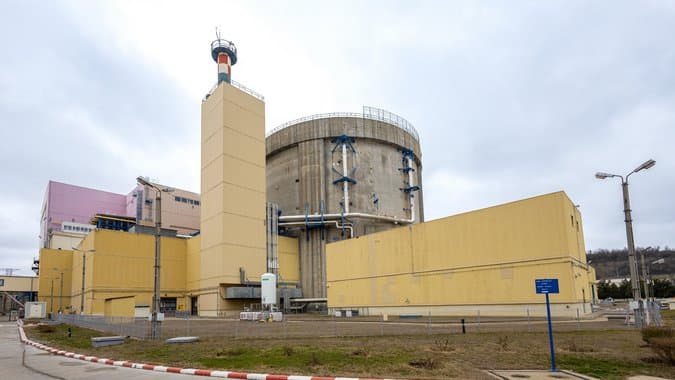
Cernavodă Unit 1 entered commercial operation in 1996, has an installed capacity of 700 MWe and has delivered 138,388,129 MWh over 27 years, according to Nuclearelectrica. The company says the reactor has operated above a 90% capacity factor and had produced 149 million MWh by December 2025, while avoiding about 145 million tons of CO2 by 2025. If the refurbishment lands as planned, Nuclearelectrica says the unit will keep supplying roughly 10% of Romania’s energy needs for another 30 years. For a European life-extension project, this is the point where credibility starts to harden into concrete.
This article was produced by Prism’s automated news system from verified source data, official records, and press releases, then run through automated quality and moderation checks before publishing. The system is built and supervised by the people who set the standards it runs under. Read our full AI policy.
Did this article answer your question?