Singapore and CFS sign fusion supply chain research deal
Singapore is moving into fusion hardware, with A*STAR and CFS targeting ARC components, materials, and manufacturing before the first commercial plant comes online.
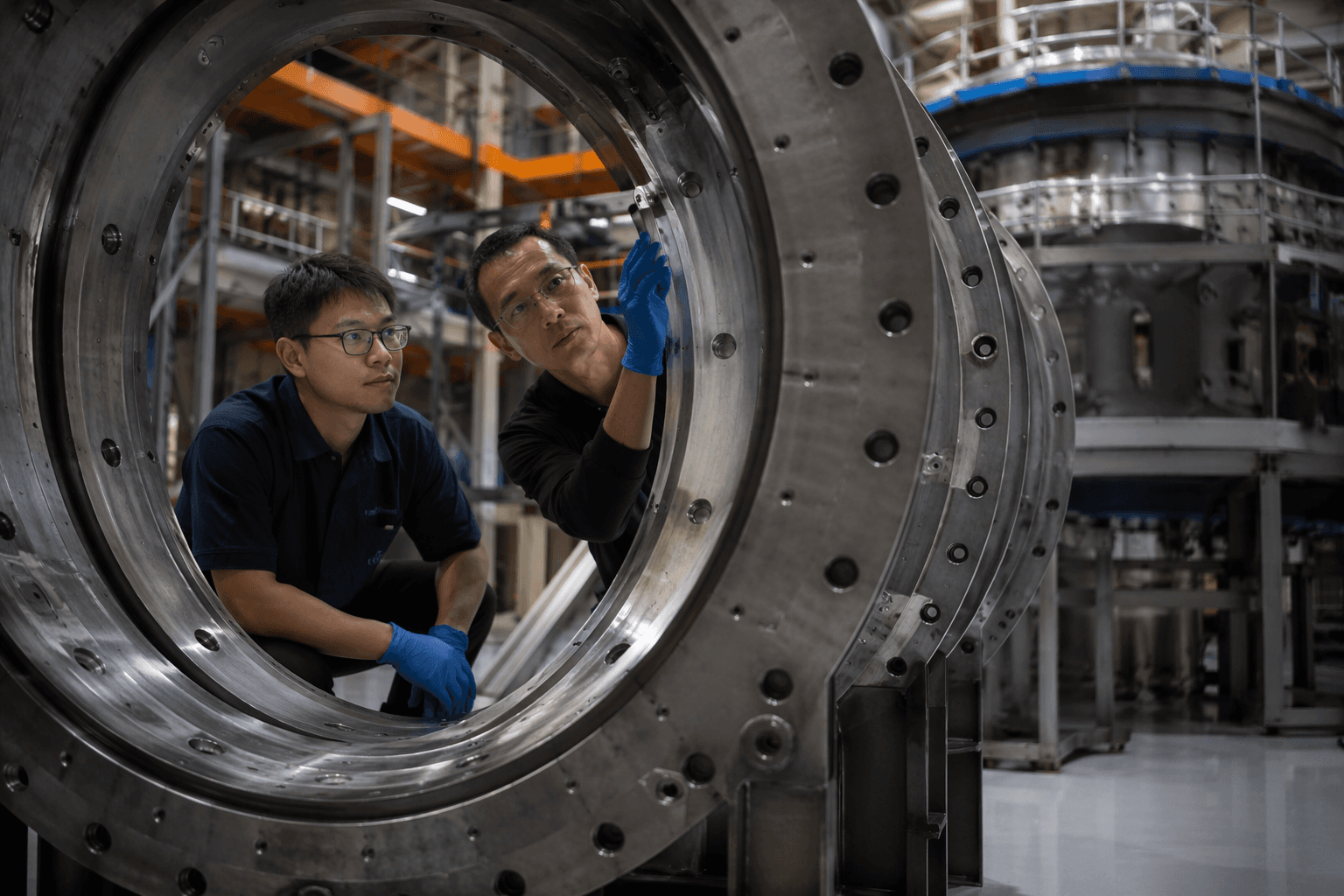
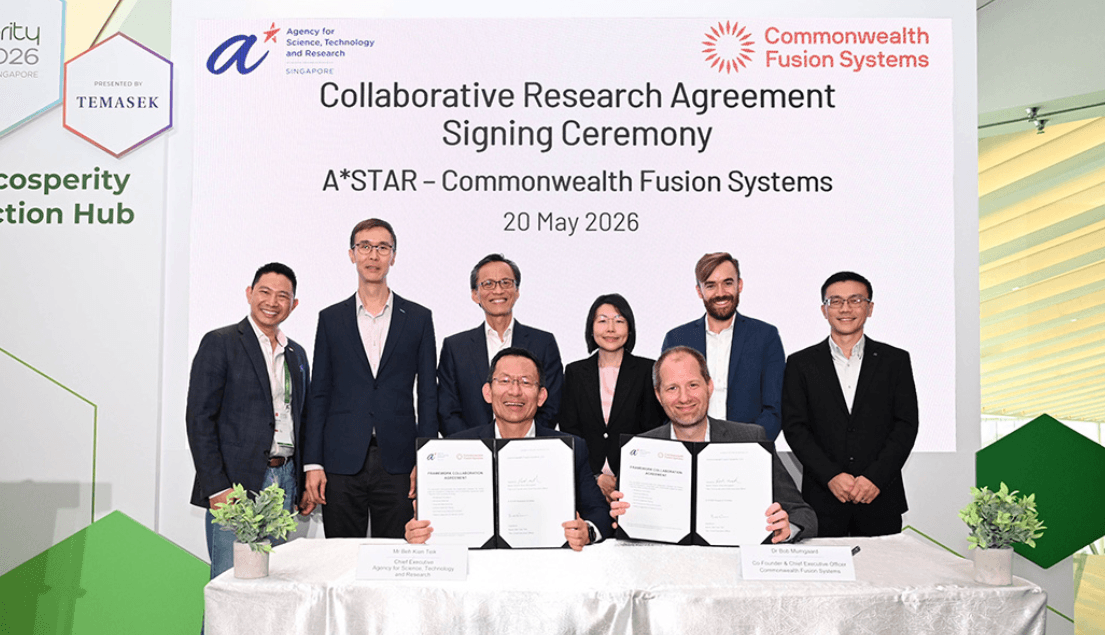
The practical takeaway from Singapore’s new five-year pact with Commonwealth Fusion Systems is simple: this is an attempt to move fusion work upstream, into the shop floor, the materials lab, and the supply chain. Signed on May 21, 2026, the agreement puts Singapore’s Agency for Science, Technology and Research, known as A*STAR, into CFS’s ARC program with a focus on commercial fusion power plant hardware, advanced materials, precision manufacturing, and materials testing. For anyone tracking fusion like a hardware business, that matters more than the ceremonial language around it. The question is whether Singapore is starting to build real manufacturing muscle for fusion machines, or just collecting a long-horizon research memorandum dressed up as momentum.
This is not the first time the two sides have worked together. A*STAR, CFS, and ST Engineering already collaborated on components for CFS’s SPARC demonstration machine, so the new deal reads like a deeper push into translational R&D rather than a fresh handshake. A*STAR said the point is to help Singapore gain an early place in the global fusion supply chain, not just as a future buyer of electricity but as a source of high-value production know-how. Prof. Lim Keng Hui framed the partnership as a sign that fusion has reached an inflection point, with local strengths in real-world fusion systems and advanced manufacturing being pulled into a global commercial race.
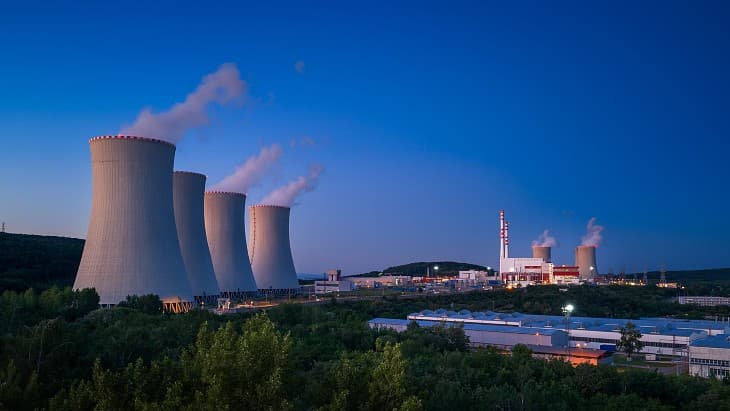
That commercial race already has a concrete hardware target. CFS says SPARC is expected to achieve net energy generation in 2027, and the company has tied its ARC plan to a much larger buildout. In December 2024, CFS announced that ARC would be built in Chesterfield County, Virginia, at the James River Industrial Park. The plant is expected to generate about 400 megawatts and run for at least 20 years, with Virginia officials treating it as a major economic-development project. Virginia Energy also backed the project, and Dominion Energy Virginia has provided non-financial collaboration, including development and technical expertise as well as leasing rights.
CFS has spent the last few years stacking the commercial deck around that program. It raised more than $1.8 billion in Series B funding in December 2021, then added another $863 million in Series B2 funding in August 2025. Google signed a power purchase agreement in June 2025 for 200 megawatts from the inaugural ARC plant, and in January 2026 CFS said it was working with NVIDIA and Siemens on a digital twin of SPARC. That is the shape of a company trying to industrialize fusion before first grid power arrives. The Singapore deal fits that pattern exactly: if it pays off, it could put Singapore on the map for qualified materials and manufacturing capacity, not just research credentials.
This article was produced by Prism’s automated news system from verified source data, official records, and press releases, then run through automated quality and moderation checks before publishing. The system is built and supervised by the people who set the standards it runs under. Read our full AI policy.
Did this article answer your question?