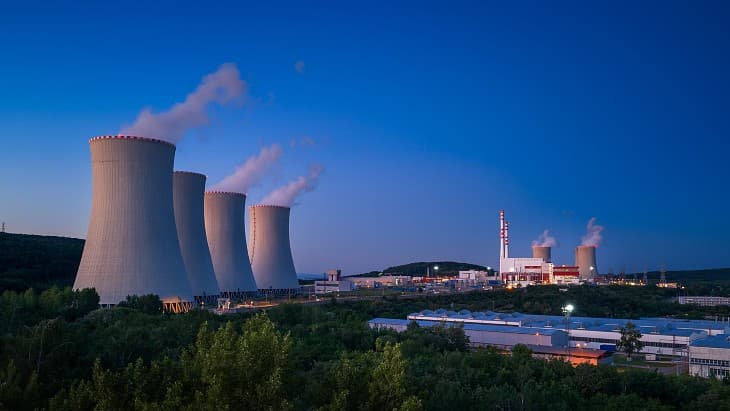
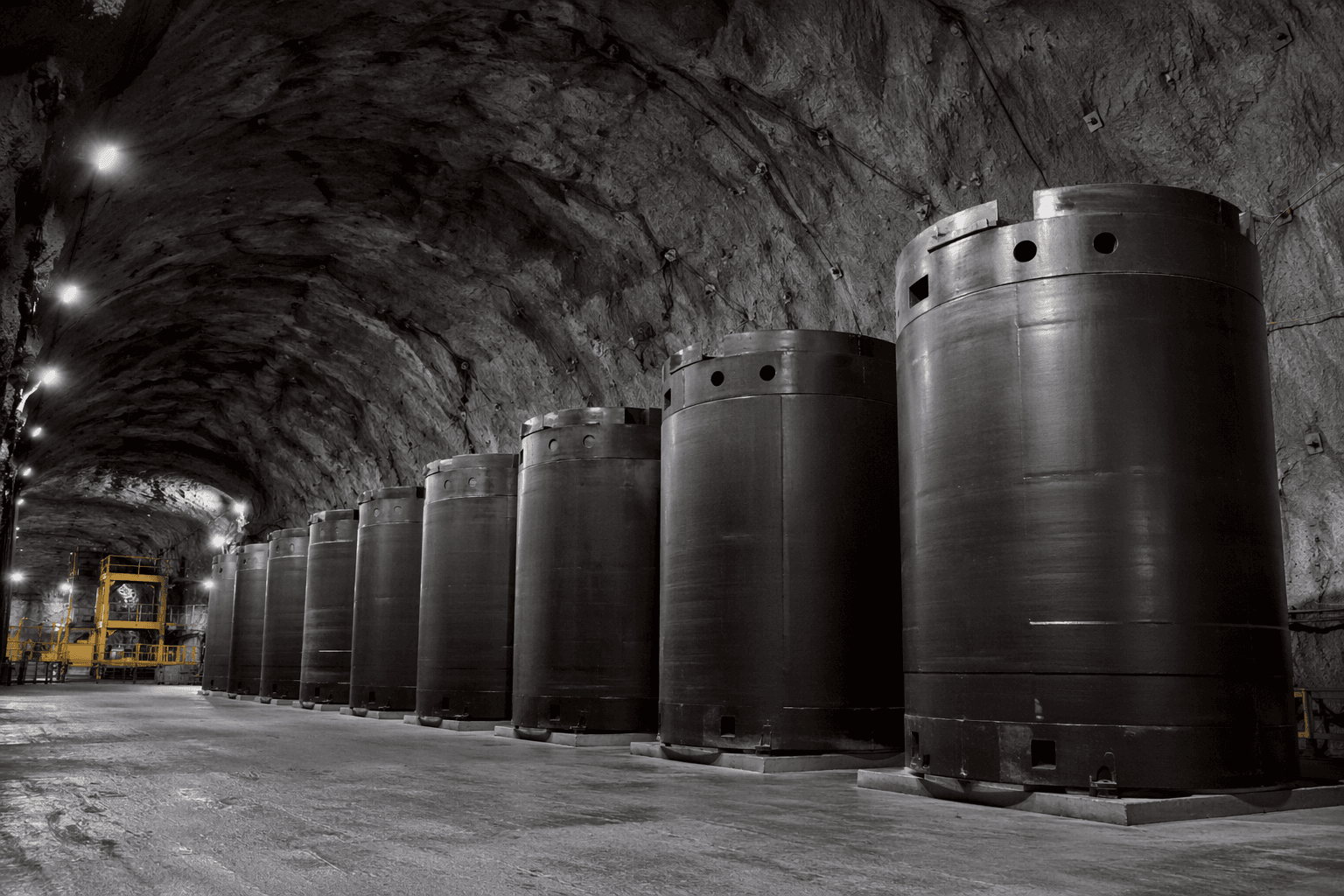
Smolensk II nuclear project commissions concrete plant for first reactor phase
Smolensk II has moved off paper and onto the pad: Titan-2 commissioned the site’s first concrete plant, the key step before foundation work begins.
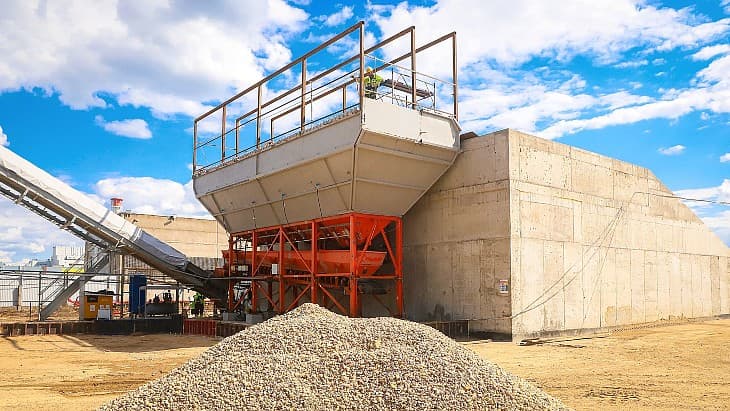
The first real sign that Smolensk II has shifted from planning into execution was not a reactor vessel or a turbine hall. It was a concrete plant. Titan-2 has commissioned a new mixing unit on the Smolensk nuclear power plant site, giving the second phase of the project its first dedicated construction facility and clearing the way for foundation work on the first new unit.
That matters because this is the kind of unglamorous infrastructure that tells you a large nuclear build has stopped being a drawing and started becoming a jobsite. The mixing plant is now the industrial backbone for the next stretch of work, with the site preparing to excavate the foundation pit for the first reactor unit. First concrete is currently scheduled for March 2027, which puts the project into a much more schedule-driven phase.
The plant is sized for the kind of volume and control a reactor build demands. It can produce 120 cubic metres of concrete an hour and is set up to tighten quality control from batching through pouring. Titan-2 said it has already trained control room operators, laboratory specialists, batchers and repair crews, with about 40 people expected to work around the clock during peak periods. The broader workforce is due to grow from more than 200 now to roughly 700 over the next year.
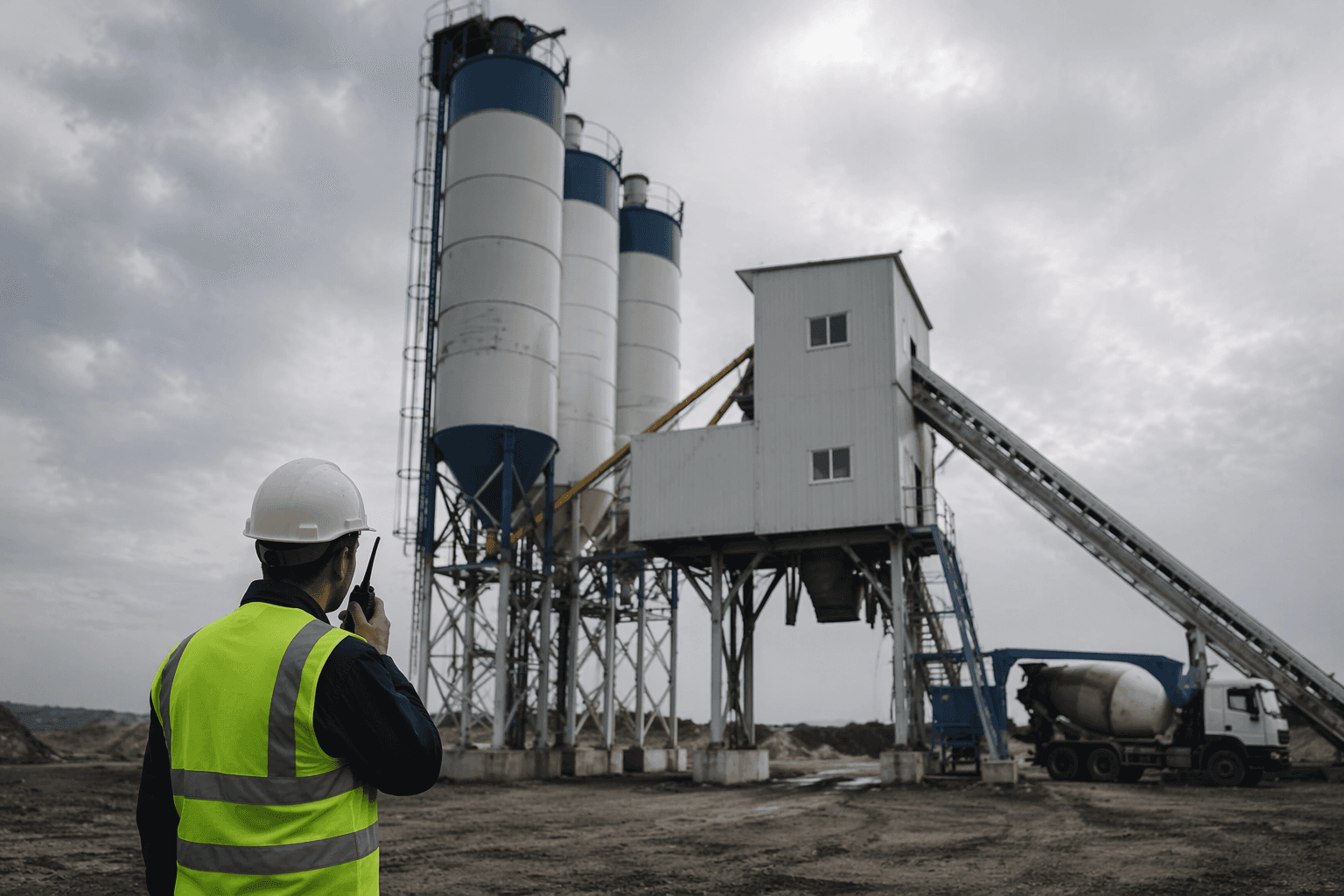
Plant director Ivan Sidorov framed the commissioning as one more step toward the main construction phase and said safety and occupational health remain priorities on the site. That kind of language is standard on nuclear projects, but the concrete plant gives it weight. You do not commission a dedicated mixing facility if you are not serious about pouring basements, rebar cages and the rest of the heavy civil works that follow.
Smolensk II is planned for two VVER-1200 units, with commissioning targeted for 2033 and 2035. Each unit is slated for a 60-year operating life, with the option of extending that to 120 years. The second phase is also part of a longer replacement-and-expansion strategy at a site that is still anchored by three RBMK-1000 reactors connected to the grid between 1982 and 1990.
That is why this modest-looking concrete unit matters. On a project of this scale, the first on-site facility is often the cleanest marker that schedule confidence is no longer theoretical. Smolensk II has reached that point, and the next hard milestone is no longer paperwork. It is excavation, foundations and first concrete.
This article was produced by Prism’s automated news system from verified source data, official records, and press releases, then run through automated quality and moderation checks before publishing. The system is built and supervised by the people who set the standards it runs under. Read our full AI policy.
Did this article answer your question?