Sweden eases uranium permitting, opens more coastal nuclear sites
Sweden cleared a uranium bottleneck and opened more coastal sites for nuclear plants, but the first mine and reactor permits still lie ahead.
_30461.jpg&w=1920&q=75)
The Riksdag has backed changes that make uranium extraction easier to permit and open new stretches of Sweden’s coast to nuclear projects.
Lawmakers approved the latest amendments on June 11, 2026, building on the uranium decision they passed on November 5, 2025, which took effect on January 1, 2026. The government sent its uranium proposal to parliament on August 28, 2025. Under the new framework, uranium mines are no longer treated as nuclear facilities but as concession minerals, so extraction and processing are handled more like other metals and minerals. That also removes the need for explicit municipal consent, and extraction waste from uranium-related mining and processing is not automatically classified as nuclear waste.
Strong local resistance emerged in Berg, Jämtland, when the veto was targeted, while the 2025 decision ended local approval as a formal block on uranium mining. For projects that have already been floated, that is the difference between a theoretical resource and a permit path that can actually be walked.
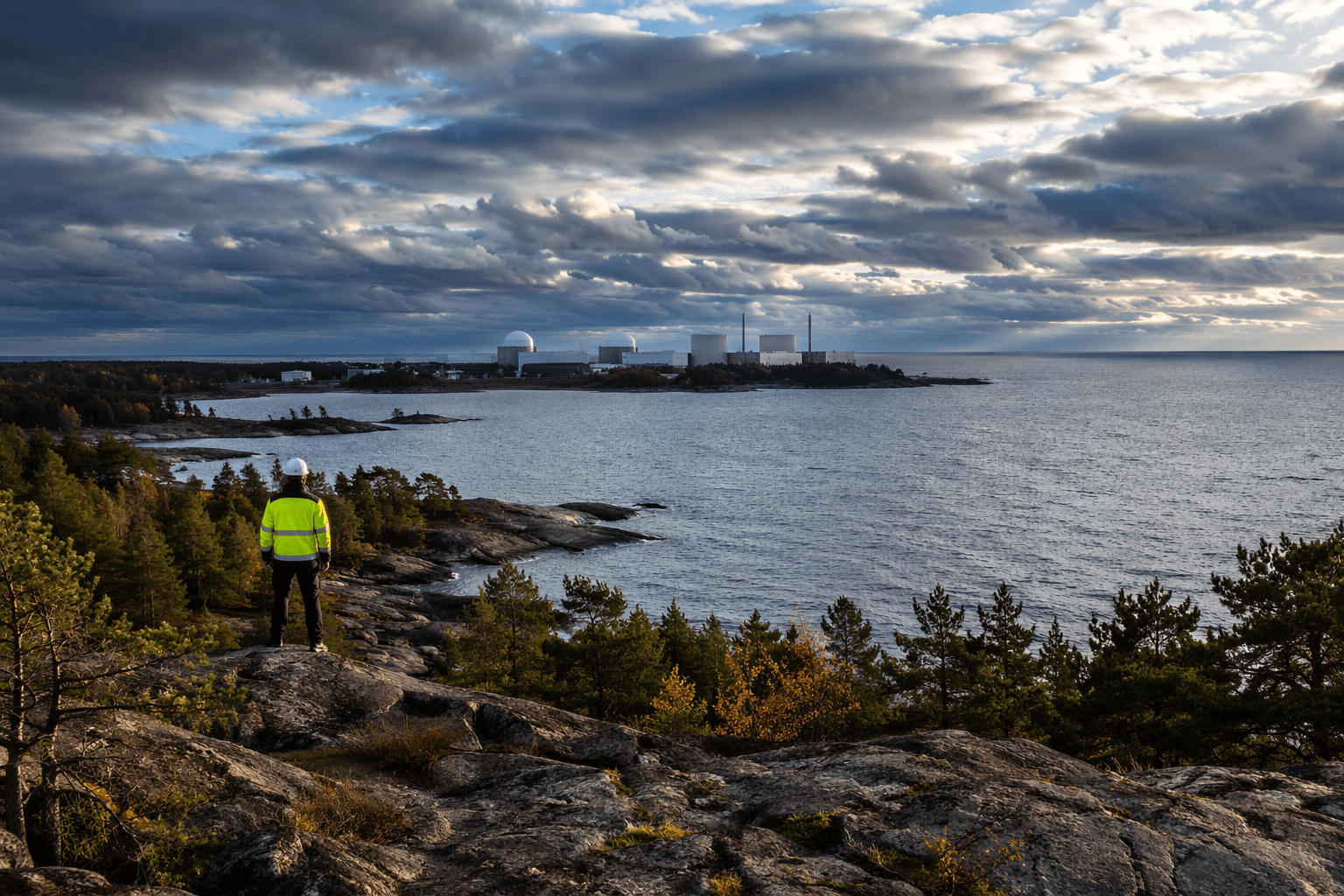
The coast change pushes the same logic into reactor siting. The new amendment removes bans on nuclear installations in Bohuslän, from the Norwegian border to Brofjorden, in parts of Småland and Östergötland from Simpevarp to Arkö Sound, in the area from the mouth of the Ångermanälven to Skagsudde, and on Öland. The point is to create better conditions for new nuclear facilities while still protecting natural and cultural values.
Industry groups quickly cast the votes as an upstream unlock, not a finished buildout. Aura Energy, which owns the Häggån deposit in Jämtland, said the uranium change brings the material into line with other minerals and clarifies the permitting route. District Metals called the approval a major milestone for Sweden’s domestic nuclear fuel and critical minerals supply chains. The first real-world tests now sit in front of the regulators: a uranium permit file at Häggån or another Swedish deposit, and siting work for a coastal reactor project such as Blykalla’s planned plant outside Gävle, where the government received a state-aid application in June.
Sweden has changed the rules around uranium and coastal siting, but it has not yet approved a mine or a new reactor.
This article was produced by Prism’s automated news system from verified source data, official records, and press releases, then run through automated quality and moderation checks before publishing. The system is built and supervised by the people who set the standards it runs under. Read our full AI policy.
Did this article answer your question?