Ten EU states urge sustainable label for nuclear in AI rules
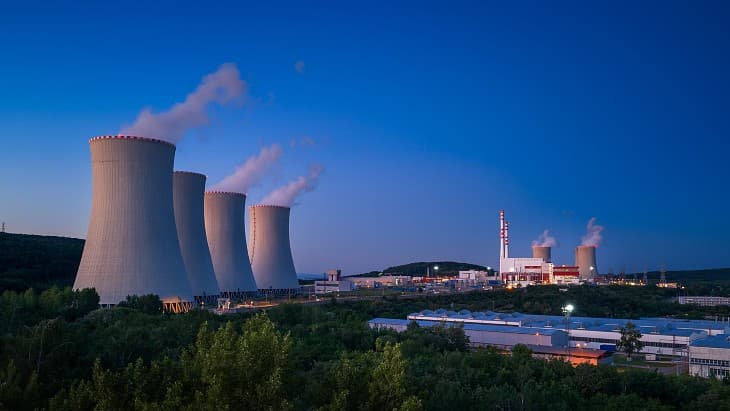
Ten EU capitals pushed Brussels to make nuclear count as sustainable, a move that could reshape how AI data centres sign power deals.

A sustainable label for nuclear would not just flatter the atom. It could make reactor-backed power easier to finance, easier to permit and easier to buy for the data centres now racing to feed Europe’s AI boom.
Ten EU member states, Croatia, the Czech Republic, Finland, France, Hungary, Italy, Romania, Slovakia, Slovenia and Sweden, asked the European Commission to classify nuclear as sustainable in the rules being built around data centres and artificial intelligence. That matters because the label would sit inside a rulemaking that can steer capital flows, corporate procurement and the language investors use when they decide which low-carbon assets deserve money first.

The Commission has already put the data-centre file on a fast track. It adopted the first phase of an EU-wide sustainability rating scheme for data centres in March 2024, published a draft version for feedback on 27 March 2026 and said adoption is expected in the second quarter of 2026. The point of the scheme is not cosmetic. Brussels says it is meant to improve transparency and inform policy-making and procurement for more sustainable digital assets and services.
That is where the nuclear fight gets practical. The Commission says data-centre electricity use is projected to more than double globally to 945 TWh by 2030, driven mainly by AI-related accelerated computing, while the EU wants to triple data-centre capacity by 2035. In that kind of market, a sustainable tag can decide whether a power source looks like a strategic input or a reputational liability when hyperscalers and industrial buyers go shopping for 24/7 electricity.
The wider policy backdrop is turning in nuclear’s favor. The Commission says nuclear generates almost 23% of EU electricity, and Eurostat put nuclear at 12% of the EU’s gross available energy in 2024. On 10 March 2026, Brussels adopted an SMR strategy to speed up small modular and advanced modular reactors in Europe, and Ursula von der Leyen told the 2026 Nuclear Energy Summit in Paris that Europe’s decline in nuclear had been a “strategic error.”
The first real beneficiaries would be the projects and operators that can credibly sell firm power to industrial users, especially in countries already leaning into nuclear, plus small modular reactor developers who need a cleaner financing story. The symbolic version is another letter. The meaningful version is a final rating scheme that changes how data-centre buyers, lenders and permit-granting authorities treat nuclear when the AI load keeps climbing.
This article was produced by Prism’s automated news system from verified source data, official records, and press releases, then run through automated quality and moderation checks before publishing. The system is built and supervised by the people who set the standards it runs under. Read our full AI policy.
Did this article answer your question?